Brussels – These are critical hours on the negotiating front between the White House and Brussels as they seek to resolve the saga of trade tariffs that Donald Trump has been threatening to impose on “made in EU” products for months. A front that stretches from Washington to the EU capital, all the way to Tokyo, where the heads of the European institutions are to be found today, and with which the United States has found a “historic agreement” overnight. The EU could be next on the list: together with Mexico and Canada, there are now few “big” partners with whom the US administration has not yet come to an understanding. In the meantime, Brussels sharpens its weapons and joins the two lists of countermeasures developed so far, ready to hit goods worth €93 billion.
This was announced by European Commission trade spokesman Olof Gill. “Although our priority is the negotiations, we continue in parallel to prepare for all outcomes, including possible additional countermeasures. In order to make them clearer, simpler, and more effective, we will merge lists 1 and 2—€21 billion and 72 billion respectively—into one list and submit it to the member states for approval,” Gill explained. Specifying that the list will not come into force in any case “until 7 August.”
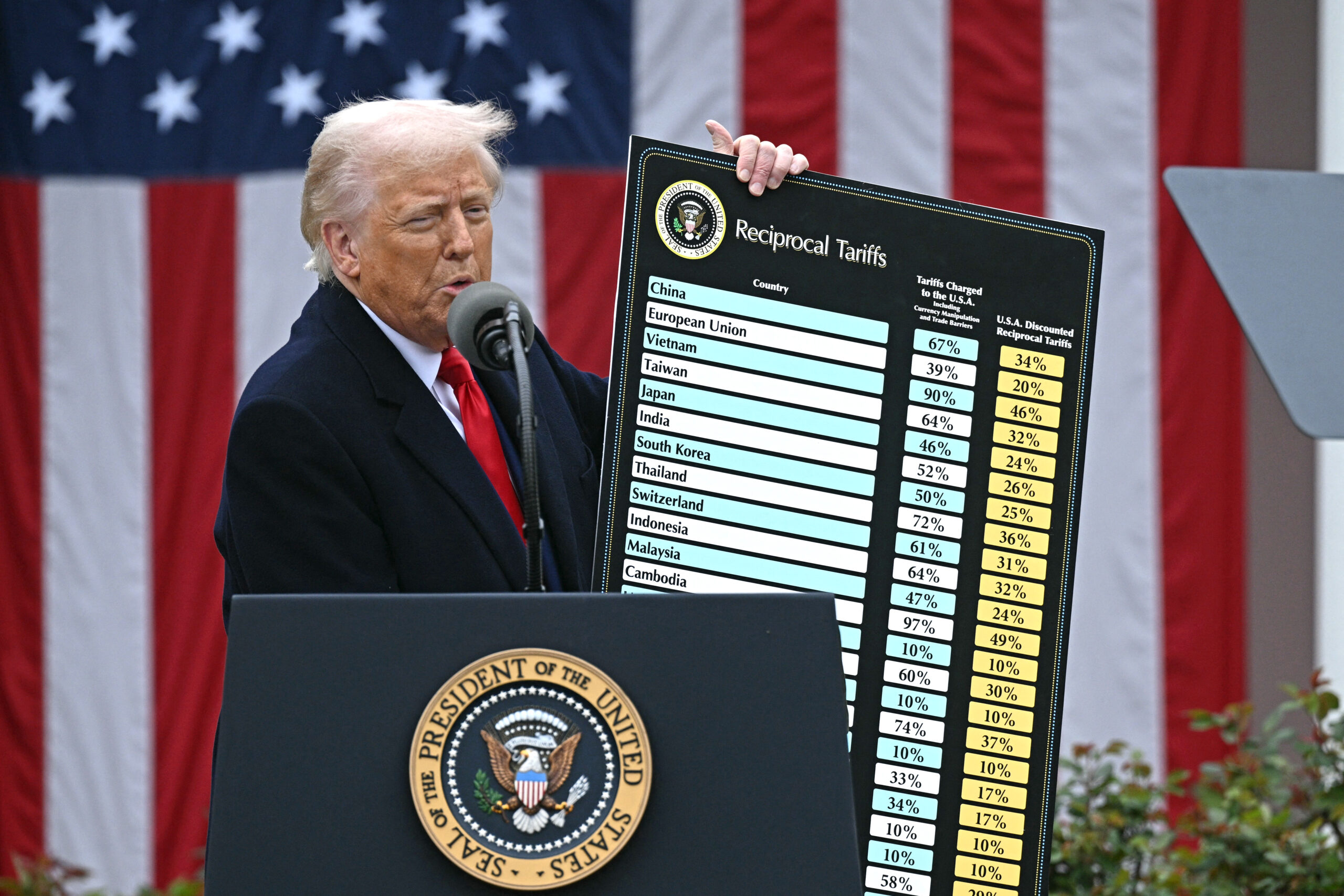
Specifically, the first list dates back to March, when it was announced and then suspended by Ursula von der Leyen in response to the duties already in place on European steel. The second, originally worth €95 billion, was narrowed down following a public consultation in June and targets various goods including agri-food products, cars and components, agricultural and industrial machinery, and electrical equipment.
“Intensive contacts are taking place at the technical and political level. Commissioner (for trade, ed) Maroš Šefčovič will speak with US Commerce Secretary Howard Lutnick this afternoon, shortly before the Commission briefs the EU member states at COREPER,” the EU spokesman added. The effort is maximum, the scenarios multiple, and the outcome still completely unpredictable.
In an interview released to Bloomberg, US Treasury Secretary Scott Bessent suggested that Brussels should follow in the footsteps of Japan, which has reached an agreement that provides for 15 per cent tariffs on all Japanese goods imported into the US (lower than the 25 per cent threatened by Trump but higher than the 10 per cent in force so far) and 550 billion in Japanese investments on American soil. The tycoon, in a post on his social platform Truth, relaunched: “I will always give up a few percentage points in tariffs if I can convince major countries to open their markets to the US.”
English version by the Translation Service of Withub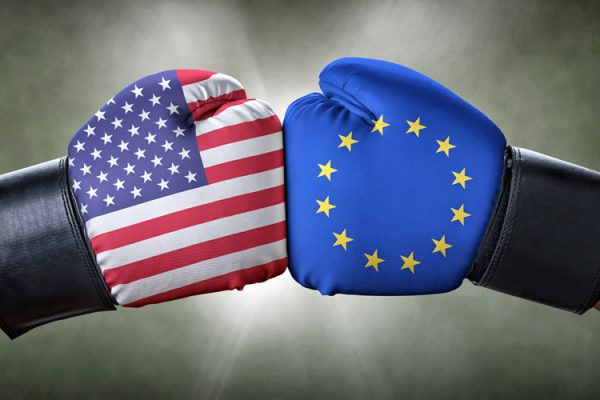

![Olof Gill, portavoce della Commissione europea responsabile per questioni di commercio [Bruxelles, 10 febbraio 2025]](https://www.eunews.it/wp-content/uploads/2025/02/olof-gill-350x250.png)
![[foto: imagoeconomica, rielaborazione Eunews]](https://www.eunews.it/wp-content/uploads/2025/07/eu-us-350x250.png)