




Brussels – Antonio Costa, President of the European Council, dictates the line ahead of the informal meeting of the European Council on 1 October. The letter, sent today (19 September) to the 27 heads of state or government, puts at the forefront “strengthening European common defence readiness and reinforcing our support for Ukraine.” It is an objective that European leaders support, except for Hungary, which has never actually vetoed sanctions on Russia, and the Czech Republic (due to internal political reasons), and which gains renewed momentum in light of the announcement of the 19th package of sanctions on Moscow, approved today by the European Commission.
Costa’s meeting comes after a European tour that took him to 23 out of 27 EU chancelleries. A tour that he will complete in the coming days, aimed at sounding out the leaders on sensitive issues. According to a Council spokeswoman, “perspectives may differ among member states, but all leaders agree on the need to build a strategically autonomous Europe.”
It’s a wrap for #tourdescapitales week 1!
7 countries visited so far to bring European institutions closer to their member states and engaging with leaders across the Union.Every nation counts. Unity is our main strength. pic.twitter.com/Fagj128HE9
– António Costa (@eucopresident) September 5, 2025
In the letter, it is understood that the informal meeting in Copenhagen (the actual European Council will be on October 23-24 in Brussels) will serve to reiterate that “Our security is tied to Ukraine’s security.” This obliges the Union to “do more” to build “a Europe capable of responding effectively, autonomously and together to today’s and tomorrow’s threats”.
Facing these threats will also require the funds from the significant defence financial investment (SAFE), claimed Costa. “Every euro should strengthen our common security and strategic autonomy. This is also about strengthening Europe’s defence industry, driving innovation, boosting competitiveness, and creating jobs.”
On the other hand, initiatives such as the Common Defence Debt appear to have already been shelved. Despite some suggestions from Mario Draghi, reiterated in his speech marking one year since the presentation of his report, they were partly dismantled by Denmark’s Finance Minister, Stephanie Lose, who stated: ”We have only just started to implement the SAFE programme and I think it is important to see how it goes.”
What unites the European Union, in addition to support for Ukraine, is the intention to make the twelve-star club competitive. The primary concern remains the loss of market share to other powers. According to the spokeswoman, “the leaders emphasised the need to continue to prioritise simplification, lowering energy prices, and mobilising private savings to unlock the necessary investments in the EU economy.” A concrete topic, such as the right to housing, will also be brought to the table at the end of October.
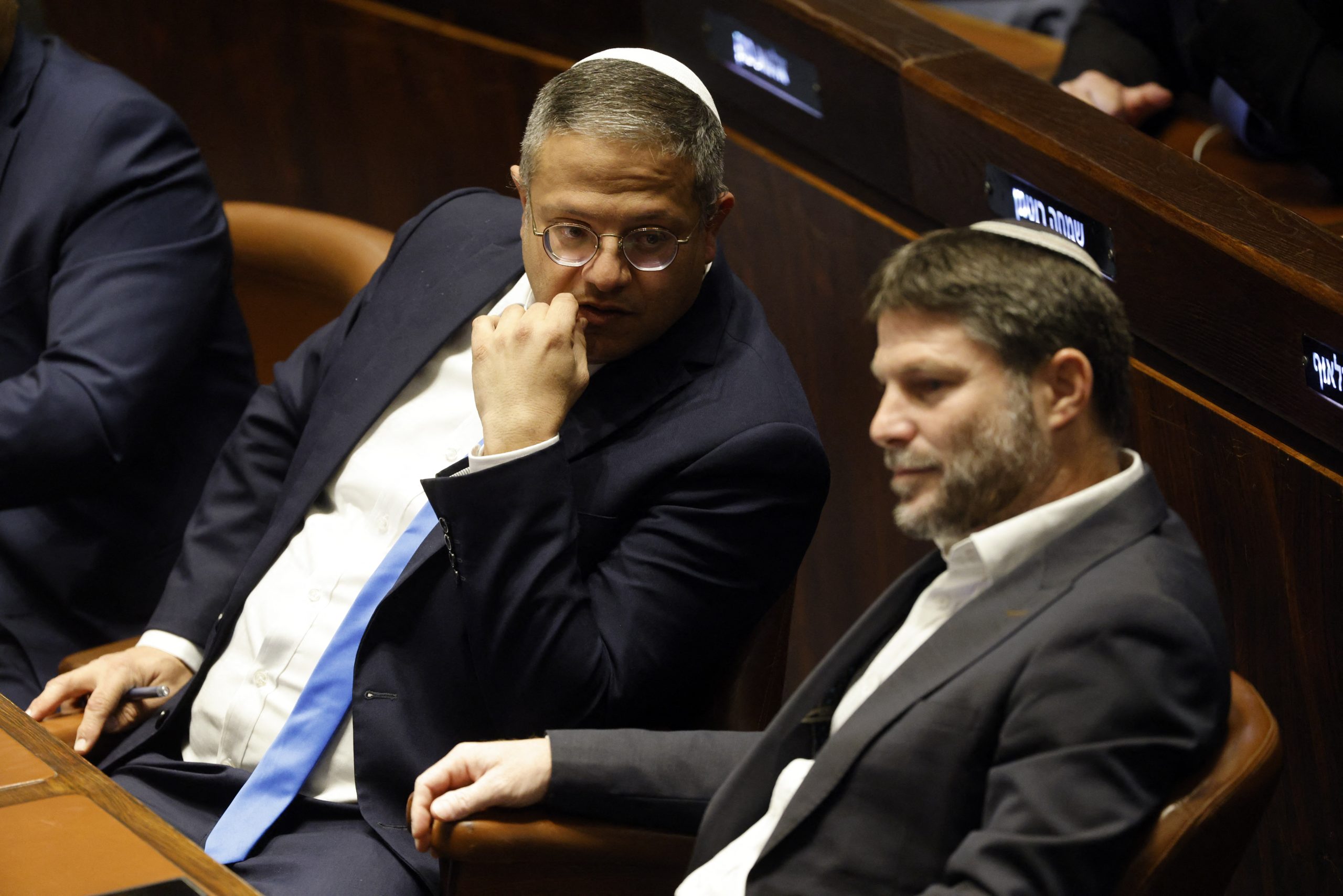
While there is broad unity on competitiveness, there is no consensus on how to approach sanctions against Israel. The measures proposed by the Commission toward the Jewish state do not convince all 27 member states. The first proposal, the suspension of the Association Treaty, requires a qualified majority, which is impossible to achieve if Germany and Italy vote against. The other proposal would be to impose sanctions on the two most extremist members of Netanyahu’s Cabinet, Itamar Ben-Gvir and Bezalel Smotrich. This would require unanimity.
The European Council agenda will also include the enlargement to new member states, with particular attention already on October 1 to Ukraine, whose “reform efforts have been remarkable. We must ensure this momentum is reflected in real steps towards accession,” Costa said.
English version by the Translation Service of Withub




![La video riunione dell'Eurogruppo [27 marzo 2026. Foto: European Council]](https://www.eunews.it/wp-content/uploads/2026/03/eurogruppo-260327-120x86.jpg)
