




Brussels – One in three LGBTIQI+ people in Europe has suffered discrimination in the last 12 months. EU Equality Commissioner Hadja Lahbib sounds the alarm: “We are facing a disturbing regression.” Brussels presented today (October 8) initiatives to guarantee the rights of the LGBTIQI+ community until 2030. A strategy based on three pillars: protect, empower, and involve.
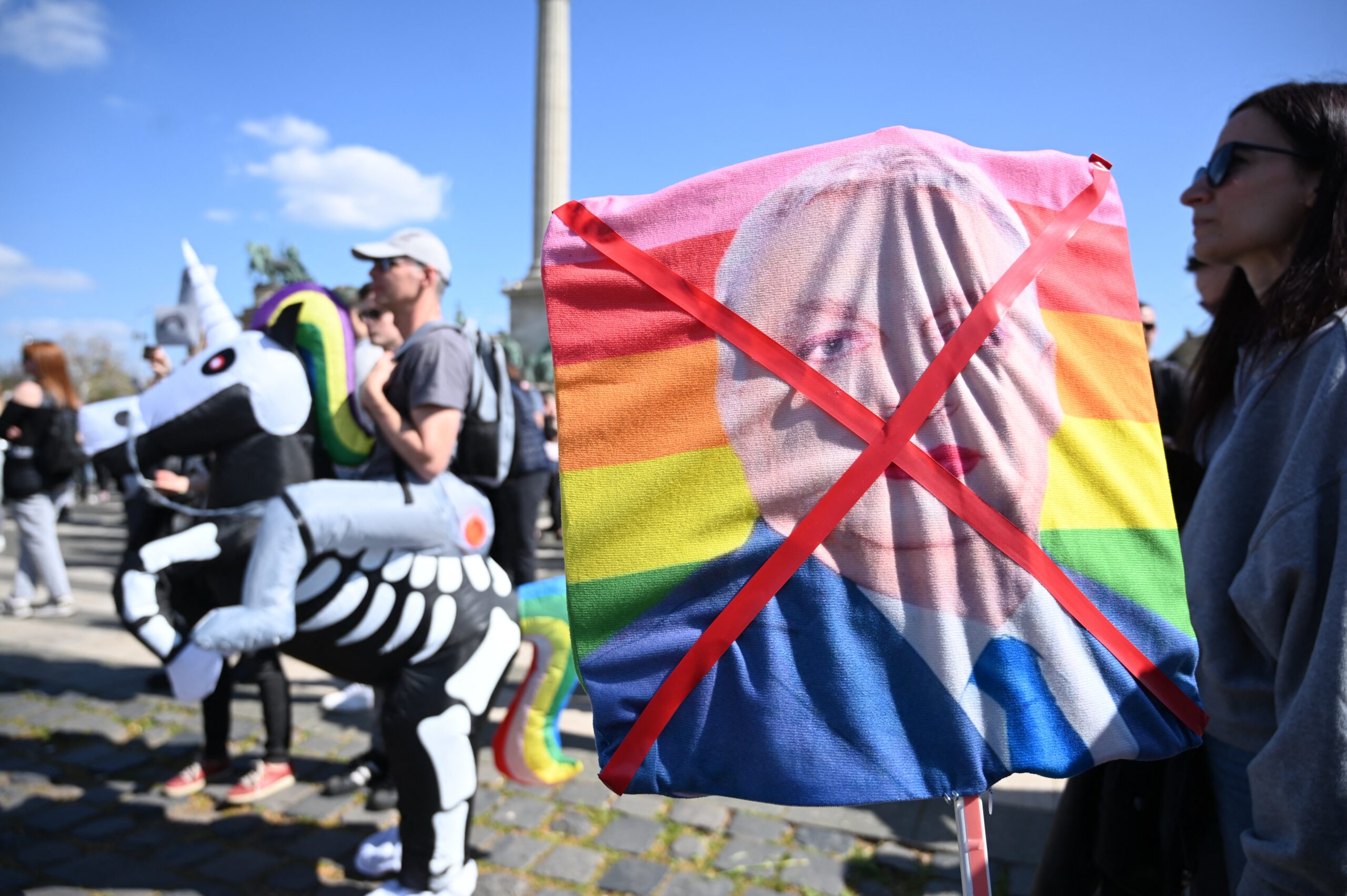
The ongoing crusade against the rights of the LGBTIQI+ community has its epicenter in Budapest, and now also in Bratislava. But throughout the Union, “disproportionate and unacceptable levels of hatred, violence, and discrimination” persist. Precisely yesterday, the EU Agency for Fundamental Rights (FRA) raised its voice on the recent constitutional amendments passed in Slovakia, which severely restrict LGBTIQI+ rights, pointing out that violence, harassment, and discrimination against trans, non-binary, and intersex people are increasing in the country. Additionally, the agency pointed out that “restrictions on parental rights for same sex couples, bans on LGBTIQ+ contents in schools, and restrictions on civil society work and the right to peaceful assembly have been imposed in several EU Member States.” Giorgia Meloni’s Italy, with the clampdown on registration of children from rainbow families, is on the blacklist.

Only 13 out of 27 member states have developed national plans, as required by the EU’s 2021-2025 strategy. “Clearly, this is not enough,” the Commissioner commented, urging the others to do the same as soon as possible. The key actions outlined in Lahbib’s strategy focus on combating online forms of hatred and “conversion practices.” The numbers “are shocking,’ she admitted: one in four LGBTIQI+ people and almost half of trans men and women have experienced some “conversion” practice in the form of physical or sexual violence, verbal abuse, and humiliation. “We will work with Member States in full respect of their national competences to put an end to these practices,” assured Lahbib.
The Commission intends to establish a center to collect information on online hate, enabling it to develop a code of conduct dedicated to respecting the LGBTIQI+ community and submit it to the relevant platforms. In parallel, the strategy includes the adoption of an action plan against cyberbullying to protect minors.
The second pillar concerns the inclusion of LGBTIQI+ people and their access to the labor market. “When people can truly feel themselves, we are also strengthening our competitiveness,” is the key message that Lahbib chose to convey. According to Brussels’ calculations, the Union loses “up to EUR 89 million of GDP each year due to discrimination on the grounds of sexual orientation.” The Commission “will publish a report on the implementation of the Employment Equality Directive in 2026 and continue to ensure its rigorous application.” Alongside this, it will set out “new guidance on inclusive hiring practices.”
Finally, the involvement of civil society: the European Commission will propose to double the resources available to equal opportunities organizations and bodies in the upcoming multi-annual financial framework, bringing it up to EUR 3.6 billion.
However, a significant hurdle still needs to be untangled, which became clear in Budapest and is now evident in Bratislava. As the Fundamental Rights Agency emphasized, there is a need to “ensure the effective implementation of rulings of the Court of Justice of the EU and the full respect of EU law.” Without the commitment of the member states, the strategy is not enough. “We will not hesitate to multiply the infringement procedures,” Lahbib warned, recalling that “More than 10 fundamental rights procedures” have been opened against Hungary. The Commissioner, in June, personally participated in the Budapest Pride, which Viktor Orbán’s government had tried hard to ban.
English version by the Translation Service of Withub
![Una porzione di Erbazzone Reggiano [foto: Sciking/Wikimedia Commons]](https://www.eunews.it/wp-content/uploads/2026/03/Scarpasoun-350x250.jpg)



![Il commissario per l'Economia, Valdis Dombrovskis, in commissione Giuridica [Bruxelles, 24 marzo 2025]](https://www.eunews.it/wp-content/uploads/2026/03/dombro-260324-350x250.png)





![La video riunione dell'Eurogruppo [27 marzo 2026. Foto: European Council]](https://www.eunews.it/wp-content/uploads/2026/03/eurogruppo-260327-120x86.jpg)
