




Brussels – A 31-page list of violence. This is what you will find in the report of the German non-governmental organisation (NGO) Sea-Watch. The report released by the NGO denounces the increase in violence by the Libyan Coast Guard. Inside the document is a list, episode by episode, of how the authorities in Tripoli and Cyrenaica aggressively intercept migrant boats heading towards Europe. Interceptions very often take place in international waters, areas of the sea where Libyans could not operate. Once the interception is over, the Coast Guard illegally return the migrants to African ports.
The timing of the report’s publication is not coincidental. Today, October 15, in Brussels, the European Commission will host a Libyan delegation for “technical visits.” Also invited to the EU capital for the first time are delegates from General Haftar’s rebel faction, now in control of around three-quarters of the country. The meeting will not involve high-ranking politicians but only officials, which helps keep the outcome of the meeting under wraps. An EU spokesperson said last week that the topics on the table will include “limiting departures and flows through Libya in line with human rights standards.”
Respect for human rights, however, does not seem to be a priority for the Libyans, as the documents collected by Sea-Watch confirm. The patrol boats of the so-called Coast Guard (partly funded by the European Union) have been involved in 60 incidents in nine years, from 2016 to 2025: a number that seems to be declining, since it is almost impossible for those attacked to press charges: increasingly frequent shootings against boats full of civilians, with cases of displacement and deaths in the Mediterranean.
The operations are carried out by small private militias or, more often, by the Libyan Coast Guard itself. The paradox is that these attacks take place with funding and means provided by European states. The treaties signed between Italy, the EU, and Libya have a total value of about 53 million euros. In addition, Rome has provided significant material aid: according to a 2022 investigation by IRPI Media, seven large patrol boats and twenty smaller units have been delivered to Tripoli.
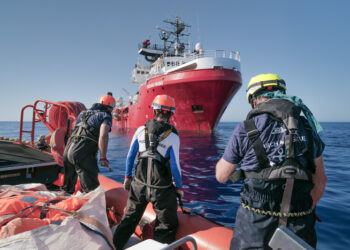
Precisely from a vessel provided by Italy, the Libyan Coast Guard on August 26 opened fire against the Ocean Viking: a serious episode, but one that fortunately did not result in any deaths or injuries. The fate of those on a dinghy heading for Italy on October 21, 2016, was different. The Libyan Coast Guard boarded the boat and began clubbing the 150 people on board. Four were the confirmed victims, but the actual number may be between 15 and 25, as many people were thrown into the water never to be found. This is just one of the 60 incidents collected in the Sea-Watch report.
English version by the Translation Service of Withub



![[foto: Rr Gimenez/Wikimedia Commons]](https://www.eunews.it/wp-content/uploads/2025/11/ue-120x86.png)

