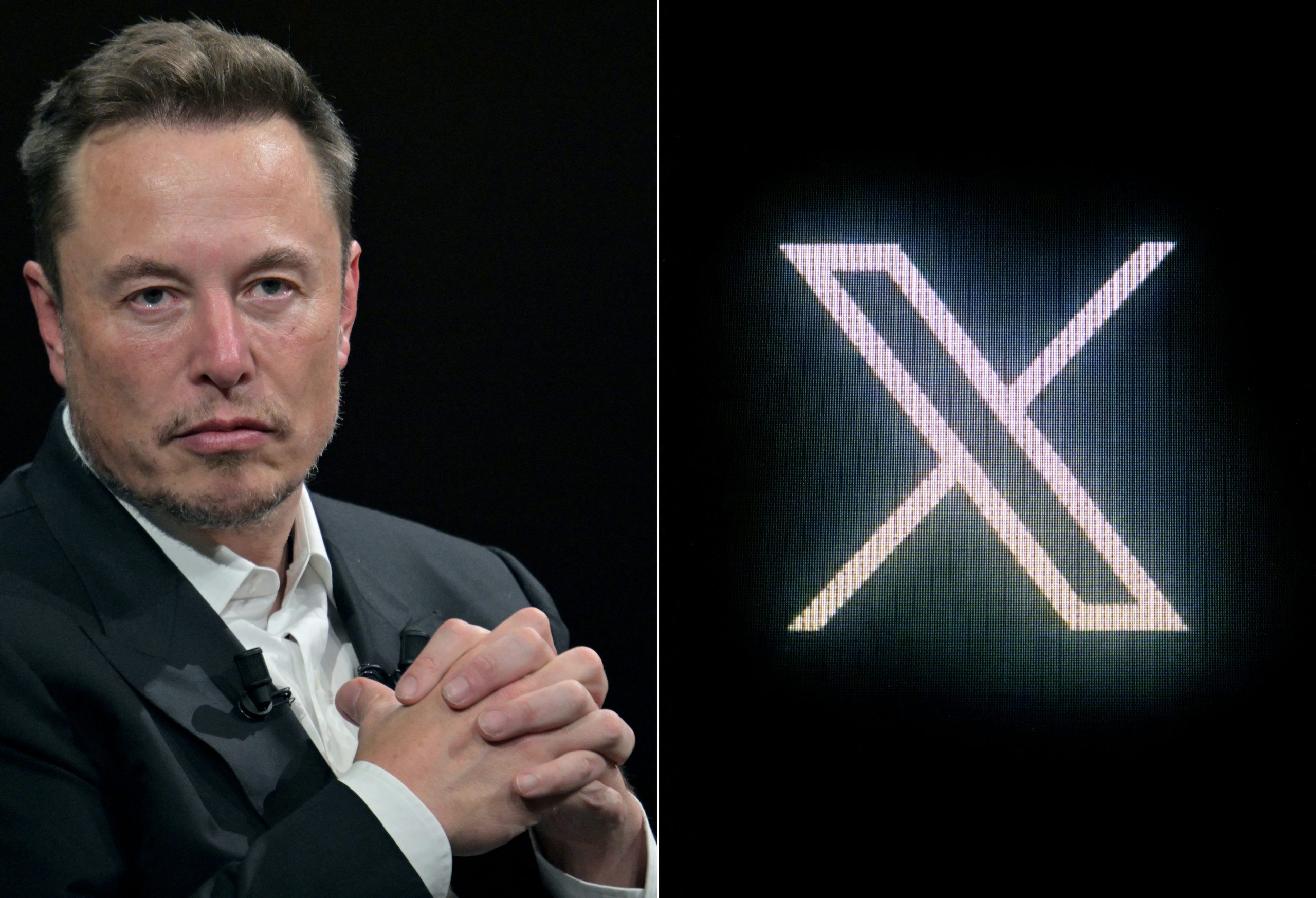
Brussels – Regulating artificial intelligence is becoming increasingly complex for the European Union. The attention of the EU institutions is now focused on countering deepfakes (images manipulated by artificial intelligence) and the sexual exploitation on social media of this content on X, Elon Musk’s platform.
Images circulated on X
However, the numerous tools available to Member States seem insufficient to solve this problem. A few weeks ago, images created by Grok (the artificial intelligence of social network X) that sexualised women and children circulated unchecked on the internet. The lack of consent and the dangers posed by this dissemination required the intervention of European Commission Vice-President Henna Virkkunen. “This feature is unacceptable, and X has been asked to remove it. We are now assessing what other ways X may be violating the DSA,” Virkkunen said.
European rules
In the Chamber, the Vice-President listed the options available to the EU to tackle the problem. “The Digital Services Act (DSA) mitigates the risks of online sexual material being disseminated and amplified without consent,” Virkkunen told MEPs. She went on to say that “there is a directive on the protection of minors and the process for the implementation of the AI Act is about to be completed, which will take effect in August.”
In addition, this afternoon, the Executive Vice-President will present the new regulatory package dedicated to the telecommunications sector. Although the issue is not strictly related to the spread of deepfake content, network management is fundamental for digital infrastructures such as X and its counterparts.
According to reports, the Commission has opted for a cautious approach, with no specific taxes imposed on platforms. The drafts currently in circulation only mention a mechanism for voluntary cooperation between OTTs (content service providers such as Netflix and Amazon) and network operators.

Everyone against X except the patriots
However, MEPs have been calling for greater Commission intervention, as the problem is not being resolved. MEP Alexandra Geese of the Green Party was the most vocal: “This morning, we heard about images of abuse against other minors. The abuse is not over.“
Although the issue goes far beyond Grok and social network X, most MEPs referred directly to Elon Musk. The most vocal was the liberal Veronika Cifrová: “When I entered politics, a video of me dancing in a bikini was shared on social media. I can defend myself, but this also happens to underage girls who have no way of deleting the content.” Referring to the tech giants, she added: “You can make money in lots of ways, and you have chosen to do so by exploiting images of children in bikinis.”
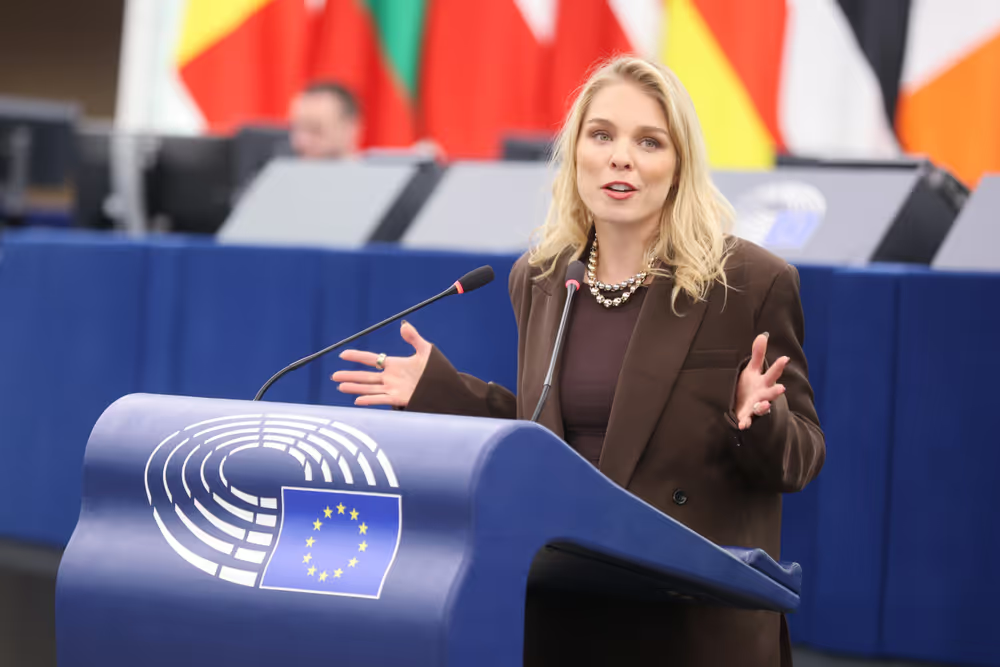
In any case, there is a broad consensus: both Jeroen Lenaers of the Popular Party and Alex Agius of the Socialists have called for greater firmness on the issue. The only one who used a less clear-cut language was Virginie Joron of the Patriots: “Many practices cause outrage, but we must remain consistent with the law. Minors must be protected without hypocrisy or excess. Banning a tool is not the solution.” IIaria Salis (The Left) also weighed in on the issue, summing up the state of the internet in 2026 with striking frankness: “The internet is an extraordinary tool, but it can also be full of crap.“
English version by the Translation Service of Withub