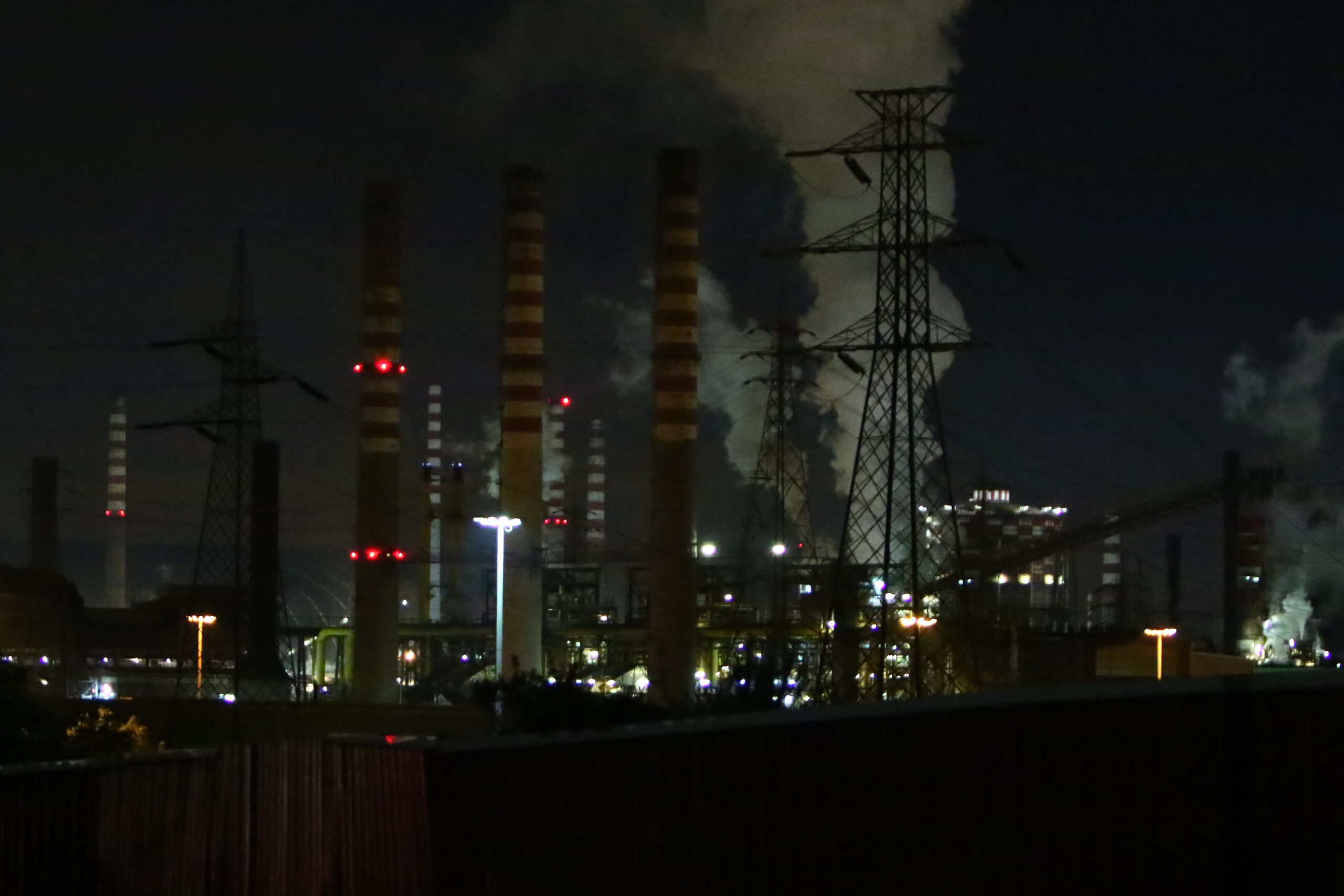
Brussels – Whether it is Ilva or Acciaierie d’Italia, the substance remains the same: proceed with state aid to support the Taranto steelworks. The European Commission has approved the €390 million state aid scheme, launched as a bridging measure ahead of the sale of the plant following the ongoing tender. It is the opinion of the EU executive that the amount of the rescue loan “is proportionate, as it is limited to the expected liquidity shortfall and strictly limited to normal operating costs.”
Not only that. This aid has also been made possible by “the new and substantial developments in the steel markets within the EU and worldwide since 2014.” Brussels effectively recognises the global crisis in the steel sector, which has led to EU measures against foreign competition, and is therefore broadening the scope of state intervention in the sector. In the specific case of Italy, the bailout loan to Acciaierie d’Italia “avoids situations of social unrest, particularly in Puglia, a region where the unemployment rate is consistently higher than the EU average.”
Another key condition for Brussels to give the green light is the absence of any previous cases. “Neither the beneficiary (Acciaierie d’Italia) nor its predecessor (ILVA) has received rescue or restructuring aid in the last ten years,” emphasises the twelve-star Antitrust Authority. On closer inspection, the former owner of the Taranto steelworks obtained loans in 2015. At that time, Ilva benefited from aid in 2015, which the EU executive declared unlawful and requested the recovery of €84 million. From that moment on, the Italian steelworks, the largest in Europe, received a series of letters of formal notice and threats of fines for atmospheric pollution, the latest in May last year, for failure to transpose the directive on industrial emissions.
In any case, for the European Commission, the €390 million bailout loan “does not unduly affect competition with other steel producers and trade in the internal market.” The response represents a political victory for the Meloni government and, even more so, for the Minister of Economy, Giancarlo Giorgetti, who has personally worked with the European Union to revive production in Taranto, in line with the new common priorities. After all, the plant is strategic, and Brussels is well aware of this: the Apulian steelworks employs around 8,000 people and supplies the automotive and components, household appliances, construction and infrastructure projects, packaging, mechanical engineering, and energy sectors.
English version by the Translation Service of Withub

![Il dibatitto su acciaio e transizione sostenibile organizzato da Eurofer in collaborazione con Euractiv [Bruxelles, 20 novembre 2024]](https://www.eunews.it/wp-content/uploads/2024/11/eurofer-241120-350x250.png)