Brussels – The perfect storm of the conflict in the Middle East is also taking its toll on agriculture. Just when crops need nutrients most, a fertiliser crisis is unfolding: the energy crisis has driven up production costs, while the closure of the Strait of Hormuz has halted imports. To cushion the surge in prices, Italy and France have asked the European Commission to immediately suspend the carbon border adjustment mechanism, the tax on energy-intensive imports, for fertilisers. Rome has also suggested another solution: to open up to digestate, an organic residue derived from biomass, and allow for its wider use.
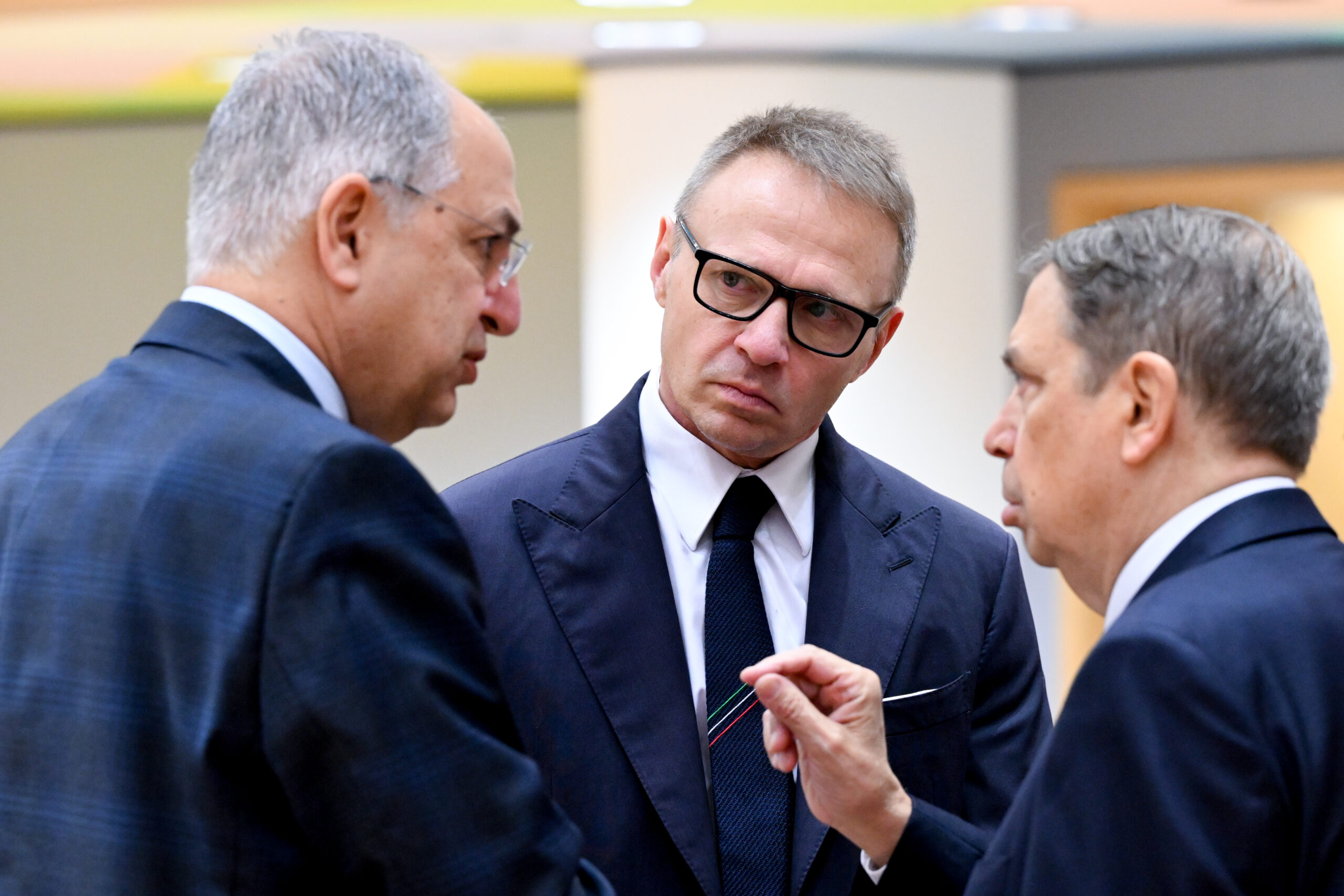
EU ministers addressed rising agricultural production costs at the Agriculture and Fisheries Council meeting in Brussels today (30 March). Italy and France, the EU’s two largest agricultural nations, presented a coordinated stance, calling for the immediate and retroactive suspension of the carbon border adjustment mechanism (CBAM), due to come into force on 1 January 2026. “This is necessary to avoid a significant impact on agricultural production costs,” reads a statement from the Italian Ministry of Agriculture, which notes that “the situation has been exacerbated by the war in the Middle East and the resulting rise in gas prices, as well as difficulties in importing fertilisers due to disruptions in supply chains.”
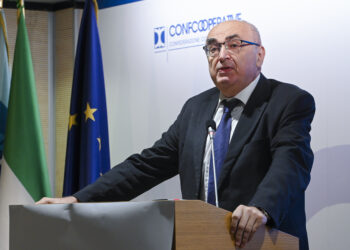
The Minister for Agriculture, Francesco Lollobrigida, has lambasted the EU: “They mustn’t waste time,” he said on the sidelines of the meeting, “we are in a dramatic international situation.” He added: “Europe cannot afford to take this long to tackle immediate problems. Production costs are rising.” Costs which, as Lollobrigida emphasised, “affect the pockets of all citizens,” being passed on to wholesale prices and then to retail prices. Alternatively, “Rome and Paris are calling for an immediate compensation mechanism, funded from the available resources of the current Multiannual Financial Framework, to offset the costs borne by farmers in the short term,” states the note by the Ministry of Agriculture.
The picture is worrying: not only does a third of global fertiliser trade pass through the Strait of Hormuz, but the price of urea (one of the main components of nitrogen fertilisers) is closely linked to the cost of gas, which accounts for between 60 and 80 per cent of production costs. In March 2026, data from the Ministry of Agriculture show a 55 per cent increase in the price of urea compared to the same period in 2025. To complete the picture, the Italian ministry also adds “the halt to imports from Russia, the main exporter of urea, potassium, and phosphorus,” which “has significantly reduced the supply available on the European market.”
Hence, the second solution suggested by Lollobrigida: “To make use of certain elements such as digestate, which could be introduced, at least on an experimental basis, over a large area, in order to address rising costs.” Digestate is a semi-liquid, stabilised organic residue resulting from the anaerobic digestion of biomass. According to Italy, “it represents a concrete, immediate, and sustainable solution, capable of contributing to the reduction of production costs, the maintenance of agricultural yields and the strengthening of the European Union’s strategic autonomy.”
Italy, Europe’s second-largest producer of biomass energy, is therefore calling for the use of digestate in agriculture to be permitted, through a revision of the
Nitrates directive, which “introduces a regulatory distinction between digestate and livestock manure, recognising the specific characteristics of the product resulting from anaerobic digestion.” “The possibility of treating digestate in the same way as synthetic fertilisers in terms of usage limits should be assessed, allowing for its wider use in line with production needs.” However, the compound is not without risks, both to health and the environment: in excess, it can pollute groundwater.