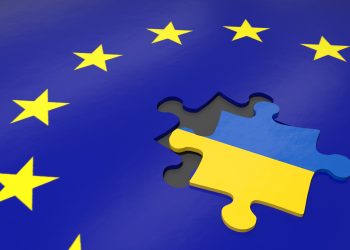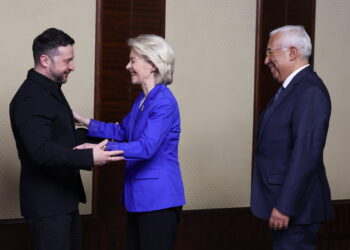
Strasbourg, by our correspondent – The European Union is moving ever closer to formally adopting the convention establishing an International Claims Commission for Ukraine. Following the signature by the EU Commission in December last year, today (30 April) the European Parliament – meeting in plenary session in Strasbourg – approved its establishment with 507 votes in favour, 31 against, and 35 abstentions. At this stage, only the EU Council’s final decision is required for the Union to become an official member of the Commission. The Commission will become fully operational once the founding treaty has been ratified by at least 25 states (including the EU).
The principle underlying the convention: to compensate war victims
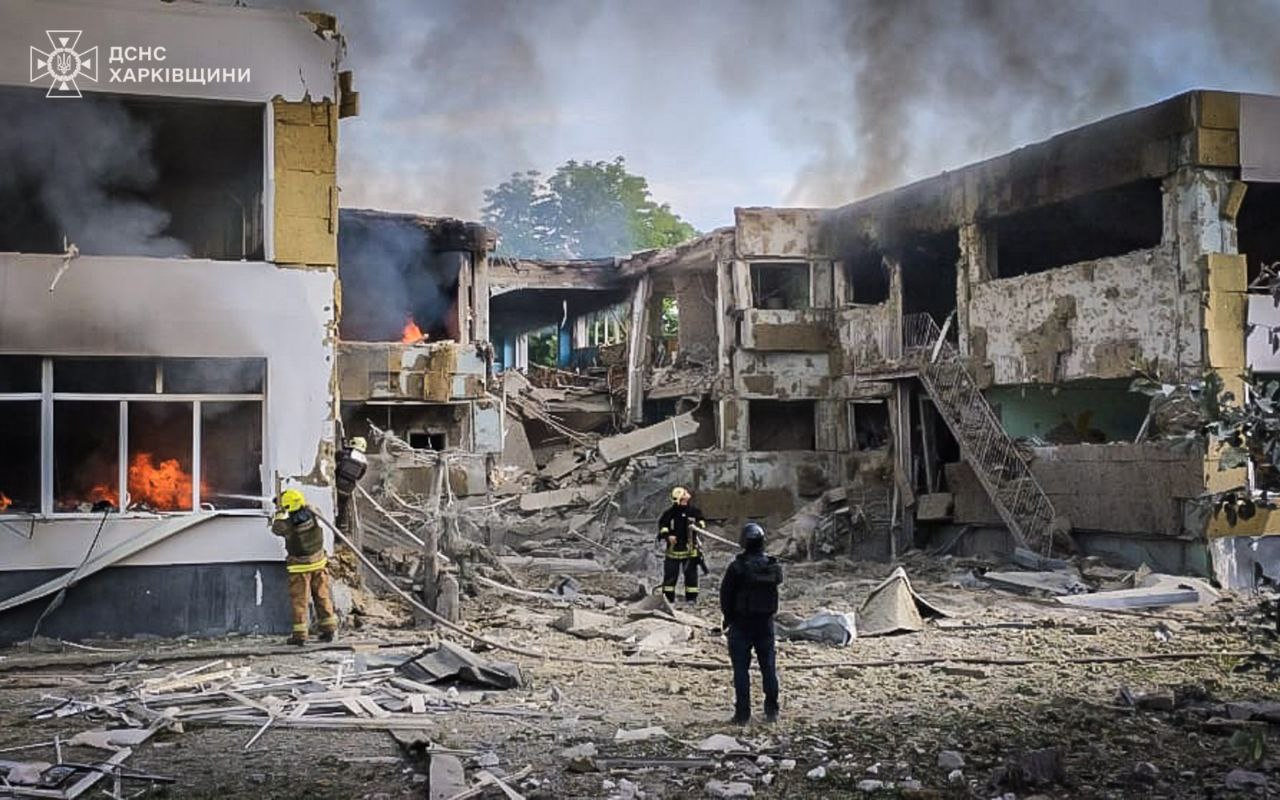
The convention adopted today by the European Parliament is the culmination of a process initiated by the Council of Europe – the international organisation that brings together the main European countries to promote the values of democracy and the rule of law – with the so-called Reykjavík Declaration of May 2023. On that occasion, member states formally committed to establishing an institutional mechanism to ensure compensation for the damage caused by Russian attacks launched during these four years of war in Ukraine.
The first piece of this puzzle was put in place with the establishment of the Register of Damage for Ukraine, set up to collect reparation claims from citizens, businesses, and public institutions in Kyiv. On 16 December, during a diplomatic conference held in The Hague, the next step was taken: 35 countries plus the EU Commission signed the convention establishing an international commission tasked with examining the over 86,000 claims for compensation already received over the past three years. The body will then be responsible for assessing the extent of any financial compensation, although it cannot go so far as to criminally punish those responsible for the damage.
The initiative has garnered the support of the main parliamentary groups. German MEP Michael Gahler (EPP) emphasised that “the Russian regime constantly displays its anger” and that it is important to investigate the crimes “with a view to future accountability.” Dutch MEP Thijs Reuten (S&D) stated that “there can be no peace without justice,” while Action Group MEP Elisabetta Gualmini (Renew Europe) recalled “the recent attacks on Odesa,” which make it necessary to “ensure full accountability for those who caused this atrocious war.”
The spirit with which the EU decided to contribute to this project was also clarified by the Commissioner for Defence, Andrius Kubilius. “Our commitment to ensuring that Russia is held fully accountable for all international crimes committed during the war of aggression against Ukraine remains absolute,” he assured MEPs, before emphasising that “now is the time to see results: this is why it is essential to ensure the Commission is swiftly established.”
To this end, the former Lithuanian Prime Minister indicated that the Commission’s objective would be to attend the next session of the Council of Europe, scheduled for 14-15 May in Chisinau, with the EU’s ratification procedure for the convention in its final stages. Following today’s green light from Parliament, only the Council’s final decision remains. In this regard, positive signals are coming from the Cypriot government, which currently holds the rotating presidency. “We are confident that the initiative will be ready before the meeting in Moldova,” assured Nicosia’s Deputy Minister for European Affairs, Marilena Raouna.
The issue of financial resources
“The first compensation claims must be examined by the end of 2027,” Kubilius has set as the target. But the call to move swiftly risks running up against a simple question with no answer yet: “Who will pay?”
As regards the funding of the Commission’s activities, while the EU has already offered to cover the Commission’s operating costs with an annual contribution estimated between 1 and 3 million euros, the payment of compensation should fall to the country responsible for the damage Barring the possibility that Moscow might agree to contribute voluntarily in this regard, one could look to the use of Russian assets frozen in Europe. However, this scenario also appears complicated, given what happened when Brussels considered using them to finance the 90 billion euro aid package for Ukraine.
English version by the Translation Service of Withub