Brussels – Large companies in the European Union are no longer allowed to destroy unsold clothing, accessories, and footwear. The European requirements are currently in force and will also apply to medium-sized enterprises from 2030. The measure was introduced as part of the European Regulation on the eco-sustainable design of products (ESPR), also known as the Ecodesign Regulation, which aims to prevent the waste of valuable products and the resources used to manufacture them.
Under the new rules, companies must prioritise keeping products in use, either by selling them—for example, through discounts or alternative markets—donating them to charities or social enterprises, or preparing them for reuse, which includes “repair, reconditioning, or refurbishment.” The destruction of items will, however, only be permitted in specific circumstances and must be carried out “in accordance with the waste management hierarchy, giving priority to recycling.”
The term “waste hierarchy” refers to guidelines set by European regulations that rank waste management practices from the most to the least environmentally sound. It is generally represented as an inverted pyramid, with preferred options at the top and disposal as the last resort for managing waste at the base.
According to this logic, companies may only destroy unsold clothes and shoes in limited circumstances, such as when the items are hazardous, damaged, counterfeit, infringe intellectual property rights, or are rejected by charities or donation schemes. To prevent abuse, companies using these exemptions are required to provide evidence—such as documents or test results—and to publish annual reports on what they have disposed of. National authorities will then verify compliance with the rules and, where necessary, impose penalties for breaches. Companies are also required to retain documentation for five years to facilitate inspections. Furthermore, to reduce red tape, companies will use existing customs and logistics codes for their declarations.
The ESPR Regulation came into force in 2024 and sets out EU-wide standards to make products more durable, repairable, recyclable, and resource-efficient. The ban on destroying unsold textile products is one of the first concrete measures provided for by the legislation. Due to the environmental impact of the current business models, textiles are the first product group to be subject to this ban, as unsold products are often destroyed.
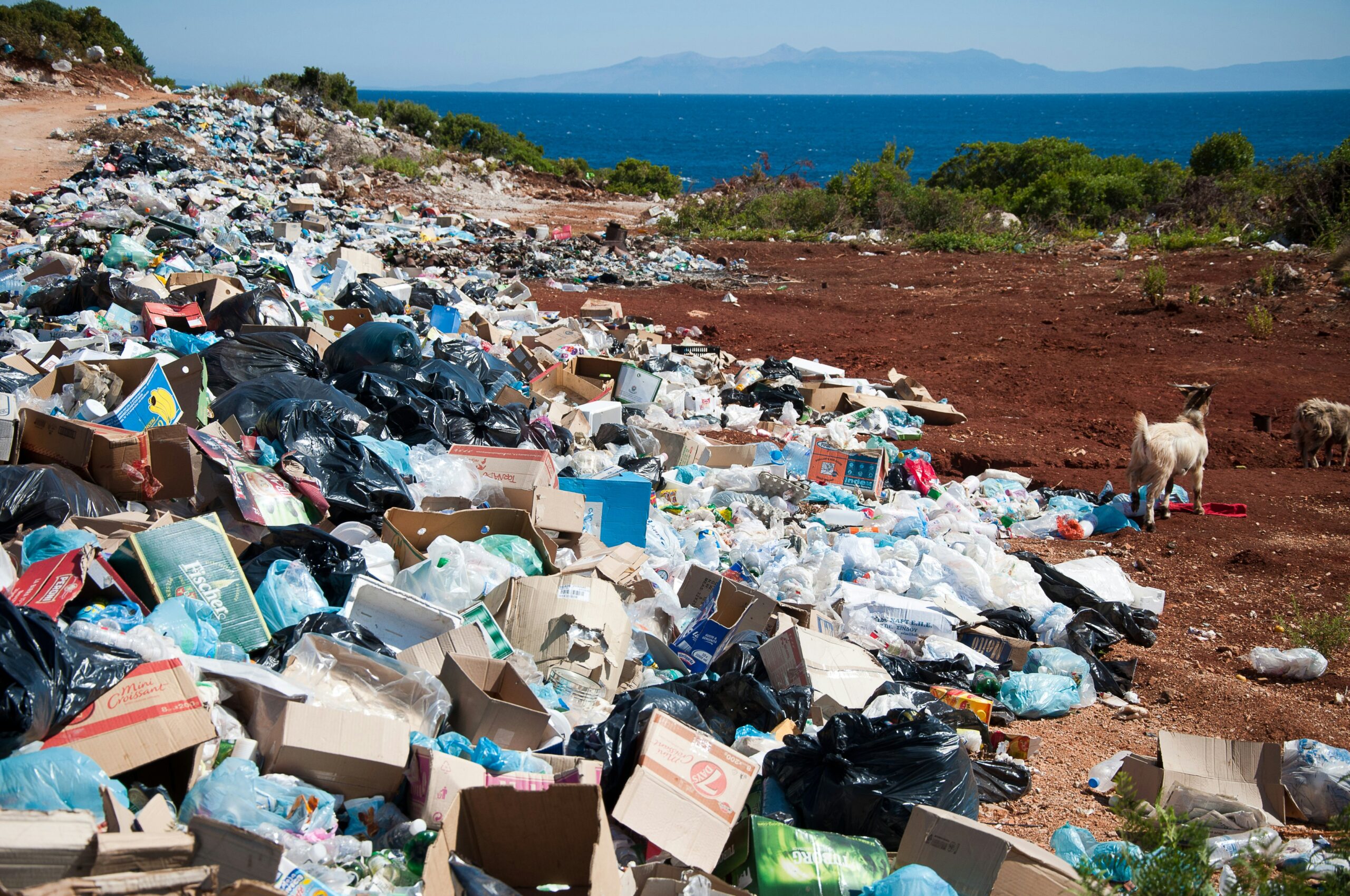
The European Enviroment Agency estimates that between 4 and 9 per cent of all textile products placed on the market in Europe are destroyed before use, amounting to between 264,000 and 594,000 tonnes of textiles each year. According to the European Commission, “when new and usable goods are discarded, the raw materials, water, energy, and labour invested in their production are lost, while their disposal generates avoidable greenhouse gas emissions.” Therefore, through the rules drawn up following extensive consultation with businesses, NGOs and experts, the Commission encourages “reuse, repair, and more resource-efficient business practices.” The aim is to ensure the regulation is effective without creating unnecessary bureaucratic complications and to support the transition towards a more circular and competitive European economy.
English version by the Translation Service of Withub