
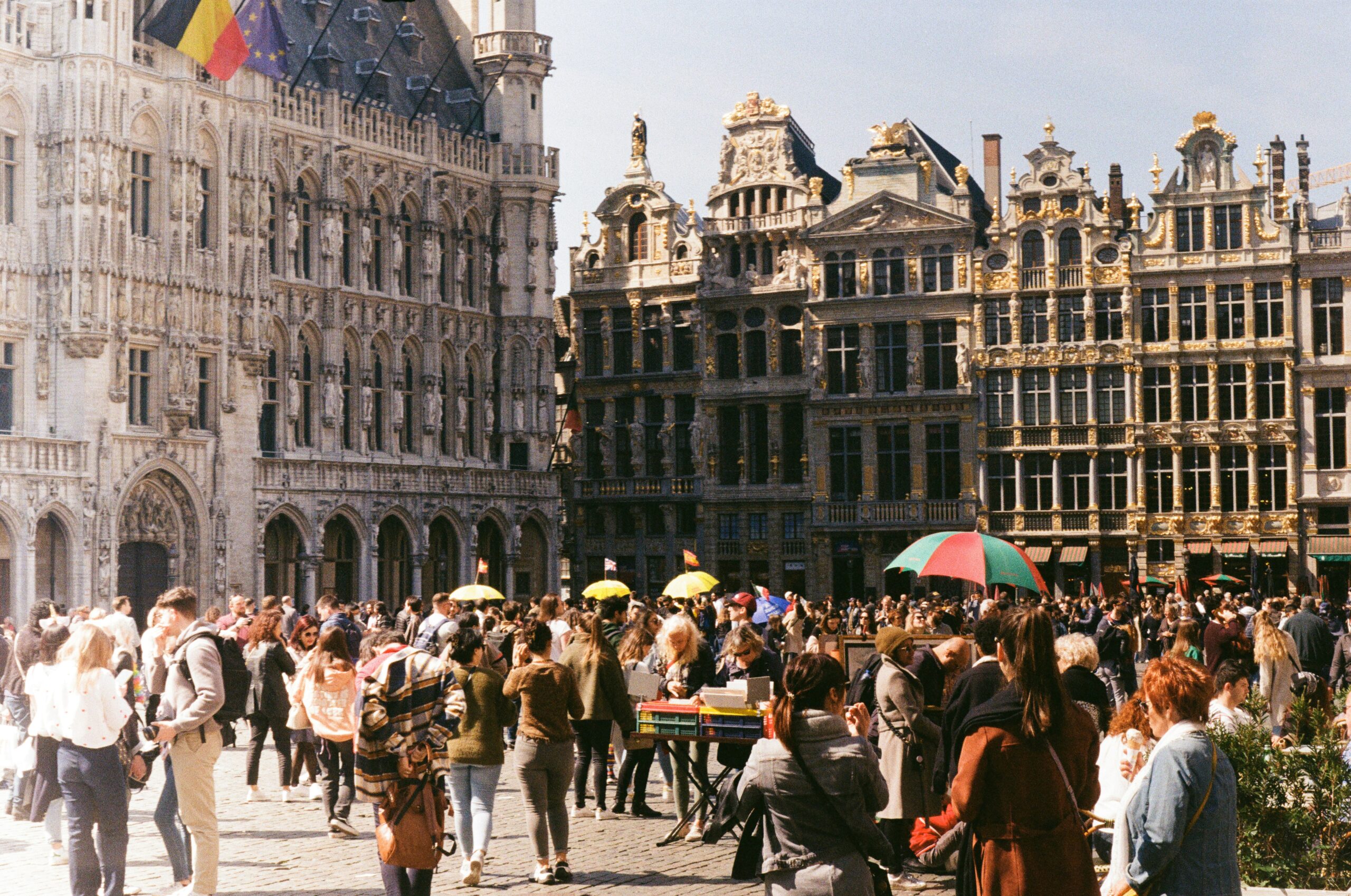
Brussels – “Exercise increased caution” in Belgium. That is what the United States is advising those travelling to the European federal state. The reasons? The presence of “crime, terrorism, and unrest”. On 23 July, the US State Department changed the risk level for the European country in its travel advisory system, the government’s official programme that assesses the safety of every country in the world for American travellers using a four-tier scale. Belgium has been downgraded from Level 1 “Exercise Normal Precautions” to Level 2 “Exercise greater caution”. The third and fourth are, respectively, “Reconsider your trip” and “Do not travel”.
On its official website, the US federal agency points out that, in terms of crime, petty offences are common in the country, “particularly in the most popular tourist destinations.” It also states that “most crimes committed against foreign nationals are opportunistic offences, such as purse snatching and pickpocketing.” As regards terrorism, “there is a risk of terrorist violence,” and it therefore advises consulting the reports on this subject produced by the Department itself. As for civil unrest, the risk stems from “large-scale demonstrations, generally peaceful, linked to the local political situation”, which cause “disruption to transport and other essential services.”
In its guide to Belgium, among numerous other measures, the Department advises travellers to “avoid demonstrations and crowds,” to “stay aware of your surroundings”, to “stay alert in tourist spots”, and to “take care when visiting banks or ATMs.”
According to the local newspaper The Brussels Times, in addition to the terrorist attacks that took place in the Belgian capital in 2016, the US decision is due to the clashes between protesters and the police that occurred during protests against education cuts in the French-speaking part of the country. Added to this are the major national demonstrations this year, which drew tens of thousands of people to voice their opposition to some of the federal government’s austerity policies. Interviewed by the Belgian newspaper, the spokesperson for the Ministry of Foreign Affairs, Florinda Baleci, stated: “Issuing travel advisories to its own citizens is the sole responsibility of each country,” emphasising that “every state has the sovereign right to decide how to tailor its advice to its citizens.”
English version by the Translation Service of Withub




![Il ministro dei Trasporti, Matteo Salvini [Bruxelles, 5 dicembre 2024. Foto: Emanuele Bonini per Eunews]](https://www.eunews.it/wp-content/uploads/2024/12/salvini241205-120x86.jpeg)