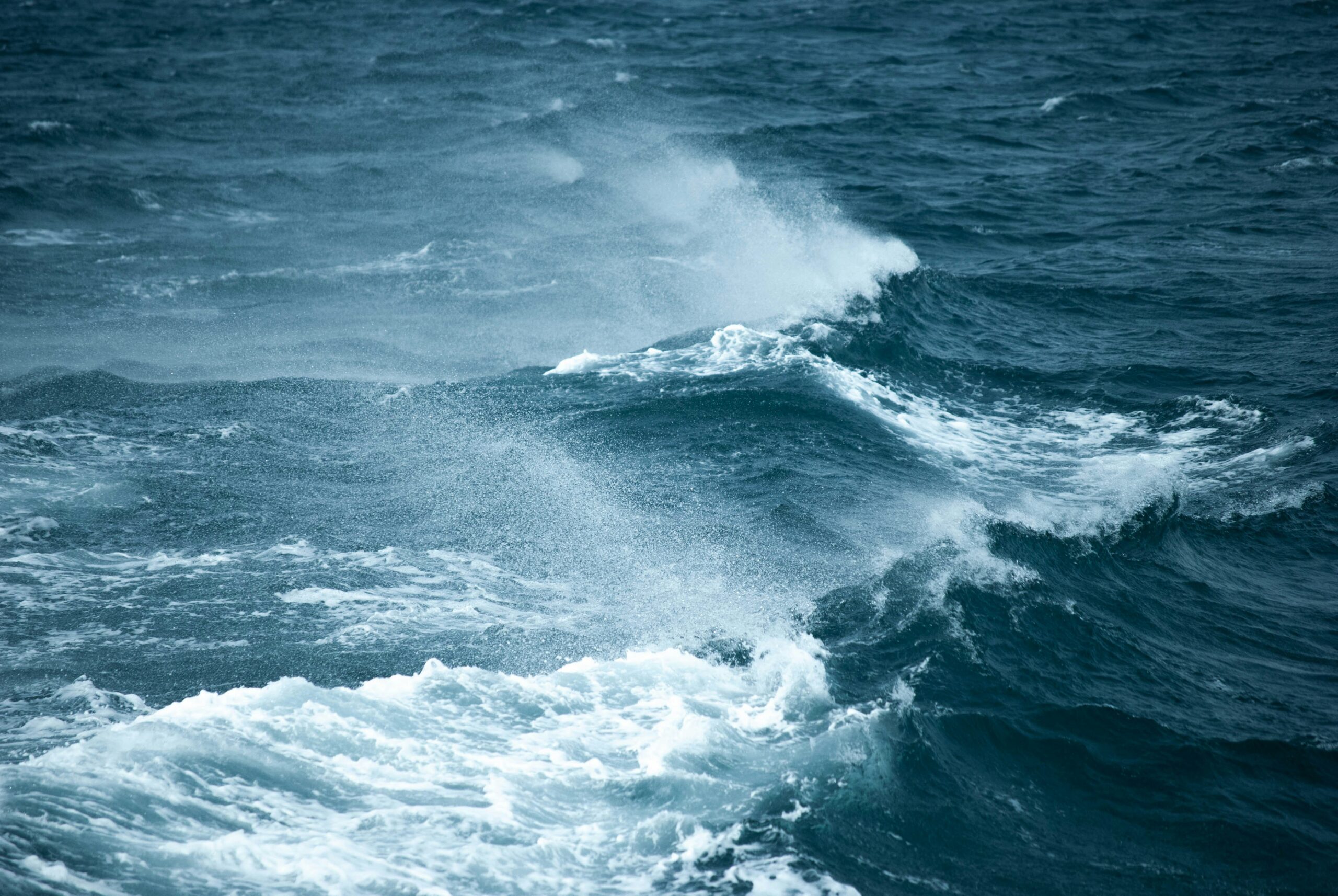
Brussels – It can no longer be ignored or downplayed. The warning about temperatures is becoming increasingly urgent, and this time it comes from the sea. The average daily surface ocean temperature has reached a new record, hitting 21.1 degrees on 22 August, the highest value ever recorded in the Copernicus Climate Change Service (C3S) data series, which began in 1979. This has surpassed the previous record of 21.09 degrees, set in March 2024, albeit by a small margin.
The figure comes at a particularly significant time. Ocean temperatures normally peak between March and April, following the southern hemisphere summer. The new record, however, was set in August and surpassed the previous high from the same month in 2023, when the average temperature reached 20.98 degrees. The daily figure should be viewed within the broader context of global warming, but it confirms a well-established trend. Throughout 2026, ocean temperatures outside the polar regions remained at exceptionally high levels, with a succession of records and values close to all-time highs.
Further driving temperatures upwards is El Niño, which is developing in the tropical Pacific. According to the World Meteorological Organisation (WMO), the phenomenon is expected to intensify in the coming months, whilst the C3S’s seasonal forecasts suggest it may reach levels not seen for several decades. However, El Niño is occurring in an ocean already warmed by decades of climate change caused by human activities.
“This record is yet another clear sign that the ocean is under increasing pressure,” said Samantha Burgess, the ECMWF’s climate strategy lead. She pointed out that the number of days characterised by marine heatwaves “has more than tripled globally since the early 1990s.”
The consequences are not limited to marine ecosystems. A warmer ocean contributes to rising sea levels, increases the risk and intensity of marine heatwaves, and puts pressure on ecosystems such as coral reefs and seagrass beds, with repercussions for fisheries and aquaculture. Warmer oceans also mean more heat and moisture being transferred to the atmosphere, with the potential to intensify rainfall and certain storm systems. At the same time, a warmer ocean absorbs less carbon dioxide, weakening one of the main natural buffers against climate change. A new record, then, that comes from the sea but tells the story of a crisis affecting the entire planet.
English version by the Translation Service of Withub





![Il ministro dei Trasporti, Matteo Salvini [Bruxelles, 5 dicembre 2024. Foto: Emanuele Bonini per Eunews]](https://www.eunews.it/wp-content/uploads/2024/12/salvini241205-120x86.jpeg)