
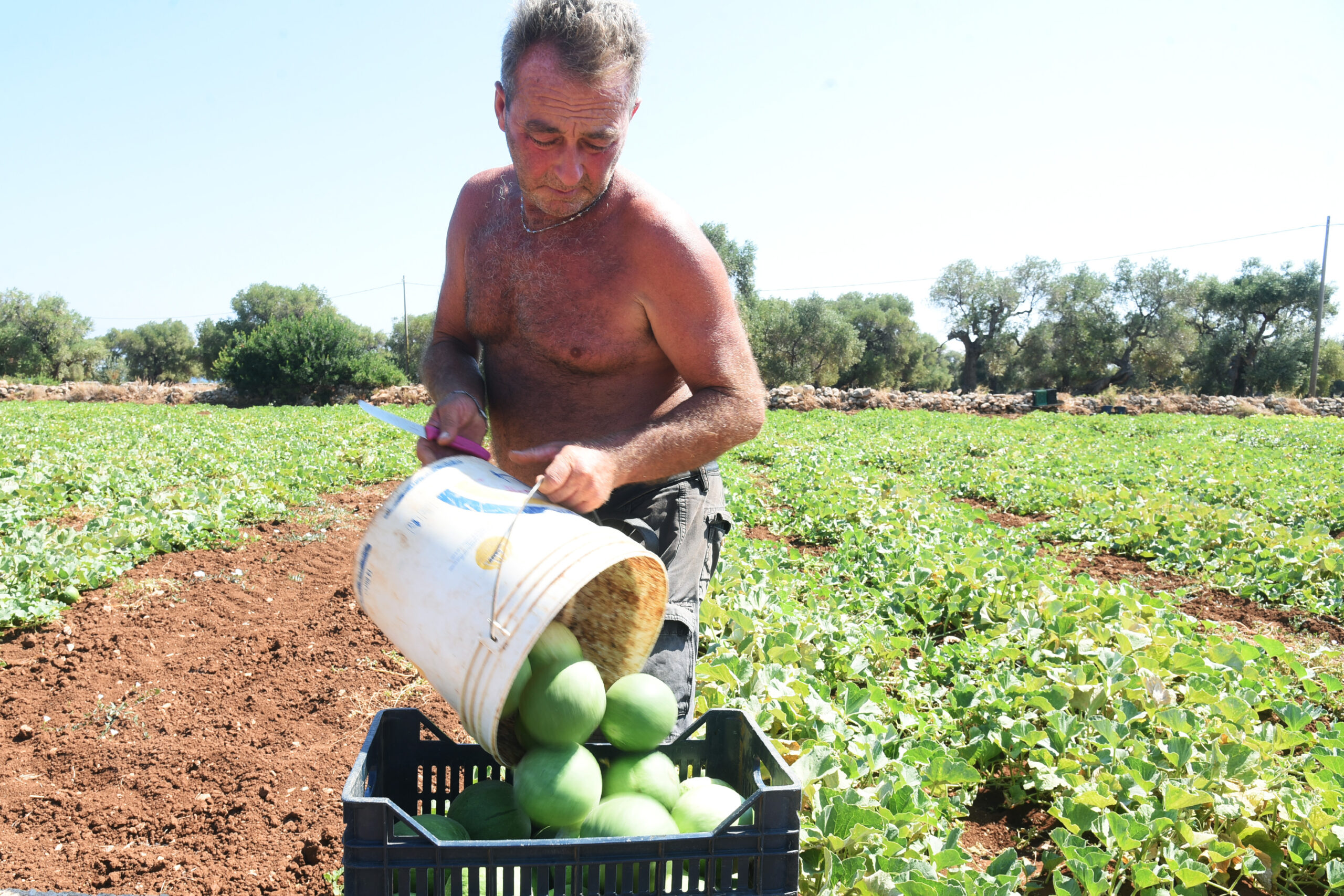
Brussels – Heat and prevention remain a hard equation for Europe, whose member states are still too divided and quarrelsome on the issue. Faced with rising temperatures, attempts have been made to adopt measures to ensure preparedness, but to no avail. As a result, people continue to suffer and literally die from the heat at work due to the failure to address regulatory gaps. The European Union has therefore arrived unprepared for the scorching summer of 2026, despite its attempts.
As the Commissioner for Labour, Roxana Minzatu, explained in response to a parliamentary question on heat and work, “in December 2025, the Advisory Committee on Health and Safety at Work recommended more decisive action by the EU regarding heat exposure indicators, workers’ acclimatisation to heat in the workplace, hydration and work organisation”. However, she admits, “the committee did not reach a consensus on whether these measures should be binding or non-binding.”
At the EU level, the problem linking heatwaves and work is the gap left by the Directive governing health and safety at work, which stipulates that workers must stop work and move to a safe place in the event of serious and imminent danger. However, “EU law does not lay down explicit conditions allowing for the immediate exercise of the right to abstain from work,” laments Marina Mesure (LFI/laSinistra), who tabled the parliamentary question.
No decision has been taken at either the political or technical level, as responsibility is to be shared at all levels: the EU Advisory Committee on Health and Safety at Work, tasked with assisting the European Commission in assessing risks and preparing mitigation strategies in the workplace, comprises three full members from each Member State, representing national governments, trade unions and employers’ organisations.
“In the context of the ongoing work and consultations with the social partners regarding the law on quality jobs, the Commission is assessing, amongst other issues, possible further EU action to address health and safety risks at work, including heat-related risks in the workplace,” Minzatu said. Notwithstanding the EU’s efforts and commitments, labour and social policies fall within the remit of concurrent jurisdiction. This means that Brussels sets guidelines and minimum standards, but legislation and the management of the labour market remain the prerogative of national governments. Consequently, the EU institutions can do little, and government representatives have failed to take any action. The hope is that European member states will be ready for the heatwaves of the summer of 2027.