
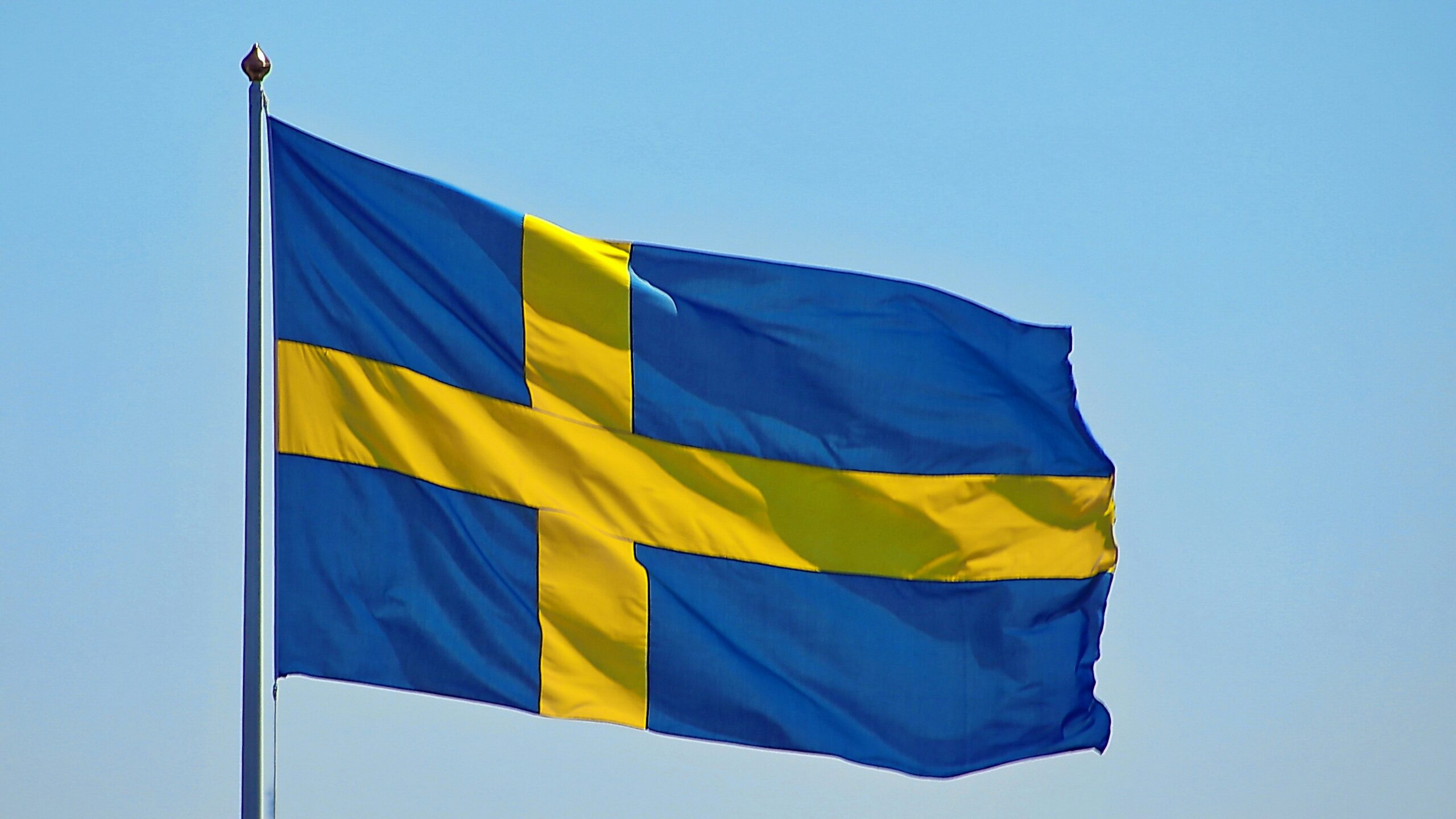
Brussels – A lot of the left, the far right pulling back, and a divided country: Sweden emerges from the polls with results showing a neck‑and‑neck race between the center‑right and center‑left coalitions, and the prospect of razor‑thin majorities in the new Parliament now being formed, which will then appoint a government that could rely on only two or three seats. Sweden is heading toward a governability puzzle, though with one clear signal: the euroskeptic nationalists are losing voter support.
The Social Democratic Party has emerged victorious from the polls (28.4 per cent), although it has lost ground compared with the election four years ago (30.3 per cent and has at least two fewer seats than its current 107). The second-largest party is the Moderate Party led by outgoing Prime Minister Ulf Kristersson (19.9 per cent), a member of the EPP, which increased its share by almost one percentage point compared with the 2022 elections. The Sweden Democrats came third (17.6 per cent), with the far right losing around 3 percentage points of the votes.
For the Swedish Democrats, this marks their first setback since 2010, the year in which the party first entered Parliament. Since then, the party has consistently gained support and votes with every election, and this result certainly marks a turning point in the Scandinavian country’s recent political history. The election has seen gains for the Greens (7.4 per cent, up 2.3 percentage points from 2022), the Left Party (8 per cent, +1.2 percentage points), and also the liberal Centre Party (7.5 per cent, +0.8 percentage points), with gains that tip the political balance in favour of the centre-left.
The outgoing majority (the Moderates, the Christian Democrats and the Eurosceptics) has been affected by the decline of the Democratic Party, which has only been partially offset by small gains for the Moderates and the Christian Democrats (+0.5 per cent). We will have to wait until Wednesday for all the votes to be fully counted and, therefore, for the final result of the election, but the results and projections show the centre-left (Social Democrats, Greens, The Left, Centre) leading by two or three seats. The leader of the Social Democrats, Magdalena Andersson, has already claimed victory and is initiating consultations to form a new government: “We are ready to take responsibility for the result,” she commented late at night.
English version by the Translation Service of Withub
![[foto: MPD01605/Wikimedia Commons]](https://www.eunews.it/wp-content/uploads/2026/08/European_flag-350x250.jpg)


![Il ministro dei Trasporti, Matteo Salvini [Bruxelles, 5 dicembre 2024. Foto: Emanuele Bonini per Eunews]](https://www.eunews.it/wp-content/uploads/2024/12/salvini241205-120x86.jpeg)