




Brussels – Following the European Parliament, the Regions and farmers, it is now the European Commission itself that is speaking out today (12 October) against the cuts set out in the new proposal (the so-called “Nego-box”) put forward by the Irish Presidency of the Council of the European Union on the next Multiannual Financial Framework (MFF) for 2028–2034. It is calling for “a budget that matches the Union’s ambitions.” The Irish document reduces resources by a further €108 billion compared with the previous Cypriot proposal, fuelling tensions with the European Parliament, the Regions and the agricultural sector. Meanwhile, however, the President of the European Council, António Costa, points out that time is running out and that concluding the negotiations by the end of the year “is essential to ensure that the next budget is operational from the start of 2028.”
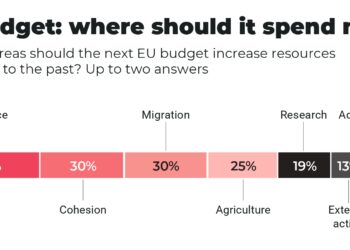
The Irish proposal sets total commitments at €1,622 billion, compared with 1,763 billion in the Commission’s initial proposal. This reduction also affects the EU’s stated policy priorities: 455.6 billion is earmarked for competitiveness and industrial transformation, 46.4 billion less than the Cypriot compromise, while for agriculture and cohesion the ceiling falls to 914.2 billion, a reduction of 27.8 billion. The chapter on external action has also been scaled back.
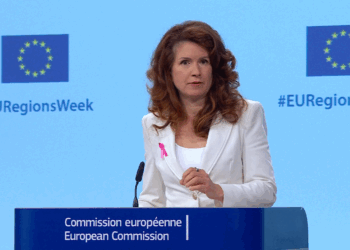
During the daily press briefing, the Commission spokesperson, Balazs Ujvari, deplored the “significant reduction in the overall size of the budget” because, “as President von der Leyen noted in a speech in Strasbourg last week, substantial cuts risk undermining the key priorities on which we have collectively agreed,” he said. Brussels is also expressing concern over the reduction in financial flexibility, particularly regarding instruments designed to respond to crises and unforeseen needs. “Flexibility is essential to ensure that the budget remains effective and capable of responding to changes over the next seven years,” the spokesperson explained.
The link between European funding and national reforms is also under scrutiny. According to the European Commission, the proposal weakens the link between national and regional plans and the country-specific recommendations, limiting the budget’s ability to promote structural change. “Reforms and investment must go hand in hand,” emphasised the Berlaymont. On the revenue front, Brussels welcomes the fact that the five proposals for new own resources remain on the table, but calls for decisive progress in financing common priorities without placing a further burden on national budgets.
The situation is now also intensifying on the political front, just a few hours ahead of the European Council meeting on Thursday and Friday. Speaking at the European Week of Regions and Cities, Costa noted that the negotiations “are entering a decisive phase” and that the EU “needs a long-term budget that responds to the challenges of this historic moment” because “it is not just about figures,” but about “a political choice concerning our future and the Europe we want to build together.” For the former Portuguese Prime Minister, now at the helm of the European Council, the next budget must “focus on competitiveness, industrial transformation, defence, security, and strategic resilience,” without neglecting agricultural and cohesion policies, which are pillars of regional development. A view he had already expressed in the traditional invitation letter to the 27 Member States for the European Council meeting on 15 and 16 October.
The aim, however, is to reach an agreement by December, a condition considered crucial for the new budget to come into effect from the start of 2028. “Any delay would have an impact on the lives of farmers, businesses, students, researchers, and innovators,” warned Costa, calling on negotiators to show a spirit of collective responsibility. “I will continue to encourage all those involved to negotiate with an open mind and a spirit of collective responsibility, with a view to reaching an agreement by the end of the year,” he assured in conclusion.
English version by the Translation Service of Withub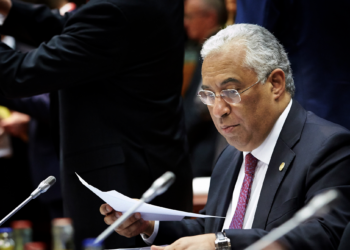


![L'Alta rappresentante per la politica estera e di sicurezza dell'UE, Kaja Kallas [Lussemburgo, 12 ottobre 2026. Foto: European Council]](https://www.eunews.it/wp-content/uploads/2026/10/kallas-261012-120x86.jpg)
