- Europe, like you've never read before -
Thursday, 12 November 2026
No Result
View All Result
  • en ENG
  • it ITA
Eunews
  • Politics
  • World
  • Business
  • News
  • Defence
  • Health
  • Agrifood
  • Other sections
    • Culture
    • Rights
    • Energy
    • Green Economy
    • Finance & Insurance
    • Industry & Markets
    • Media
    • Mobility & Logistics
    • Net & Tech
    • Sports
  • European 2024
    Eunews
    • Politics
    • World
    • Business
    • News
    • Defence
    • Health
    • Agrifood
    • Other sections
      • Culture
      • Rights
      • Energy
      • Green Economy
      • Finance & Insurance
      • Industry & Markets
      • Media
      • Mobility & Logistics
      • Net & Tech
      • Sports
    No Result
    View All Result
    Eunews
    No Result
    View All Result

    Home » Agrifood » The Alta Daunia olive has been awarded the EU Protected Designation of Origin (PDO) status

    The Alta Daunia olive has been awarded the EU Protected Designation of Origin (PDO) status

    Italian Minister for Agriculture Lollobrigida: “Registration safeguards a centuries-old tradition and recognises the work of our olive growers”

    Iolanda Cuomo by Iolanda Cuomo
    22 October 2026
    in Agrifood
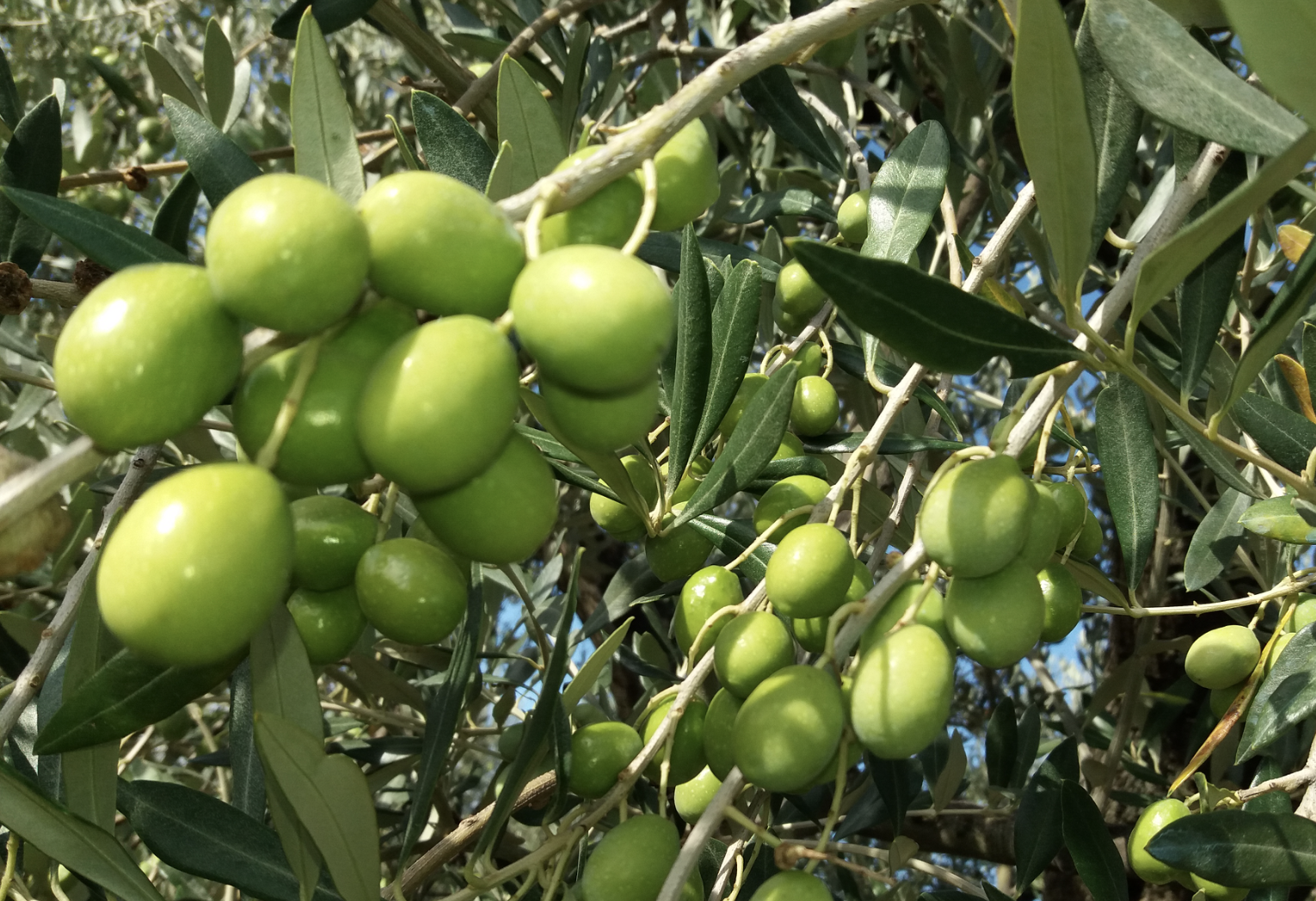
    Oliva Alta Daunia. Crediti: Ministero dell'Agricoltura italiano

    Oliva Alta Daunia. Crediti: Ministero dell'Agricoltura italiano

    Brussels – Italian agri-food specialities have secured yet another accolade. Today (22 October) the European Commission has approved approved the registration of the
    Protected Designation of Origin

    (PDO) for the olive Alta Daunia (Apulia). These are whole table olives originating from the north of the province of Foggia, whose distinctive characteristics are due to the climatic and environmental factors present in the region. In a press release, the Italian Ministry of Agriculture, Food Sovereignty and Forestry stated that it is “the temperate, semi-arid climate, characterised by hot, dry summers and generally mild winters,” combined “with deep, predominantly loamy-sandy soils,” that create “conditions particularly favourable to the cultivation of this variety and the gradual ripening of the fruit.” 

    Known for their herbaceous flavour, Apulian olives are slightly bitter with hints of toasted bread. The Italian Ministry also describes their “iridescent” colour as “distinctive,” a characteristic linked to the natural process of the olives’ ripening and processing. More specifically, the Peranzana variety is historically linked to the social fabric of the area, as its cultivation has played a role in the region’s development and economy. In fact, it is not found outside this area. This heritage is “complemented by the knowledge of olive growers, passed down through generations,” explained the Ministry: “This is exemplified by the ‘San Severo vase’ training method, closely linked to the production area, together with harvesting methods and traditional processing practices”. According to the Ministry, “it is precisely the interaction between the environment, the genotype and the human factor that gives rise to the distinctive characteristics now protected by the PDO.” 

    The Italian Minister for Agriculture, Food Sovereignty and Forestry, Francesco Lollobrigida, welcomed the recognition, stating that the new registration “safeguards a centuries-old tradition and highlights the work of our olive growers.” Furthermore, “Geographical Indications are a vital tool for defending Italian excellence and promoting ‘Made in Italy’ products,” he added. 

    The EU quality policy protects the names of certain specific products in order to promote their unique characteristics linked to their geographical origin and traditional expertise. Product names may qualify for a “geographical indication” (GI) if they have a specific link to the place of production and establish intellectual property rights for specific products. These include: the Protected Designation of Origin (PDO) for foodstuffs and wines; the
    Protected Geographical Indication

    (PGI) for foodstuffs and wines; and the Geographical Indication for “spirits”, i.e. distilled alcoholic beverages. Today’s designation joins the more than 3,900 protected names listed in the eAmbrosia. database

    English version by the Translation Service of Withub
    Tags: agriculturefrancesco lollobrigidapalazzo berlaymontregione puglia

    Related Posts

    Il capocollo di Martina Franca. Crediti: Ministero dell'Agricoltura italiano
    Agrifood

    Capocollo di Martina Franca has been awarded the EU Protected Geographical Indication (PGI) certification

    15 October 2026
    Giani - Manetti Coesione Bruxelles
    Ambiente

    Prato’s recycled Cardato fabric is set to gain European recognition as a PGI

    14 October 2026
    Image by ubert from Pixabay
    Agrifood

    “Olio dei Colli di Bologna” is granted Protected Geographical Indication (PGI) status

    16 September 2026
    map visualization
    L'Eurocamera approva il Piano contro il cancro, ma la riforma europea del tabacco si ferma al vaglio tecnico

    The European Parliament approves the Cancer Plan, but the European tobacco reform has stalled at the technical review stage

    by Annachiara Magenta annacmag
    12 November 2026

    The Regulatory Scrutiny Board (RSB), the independent body responsible for assessing the quality of impact assessments for EU initiatives, has...

    Bandiera ucraina. Crediti: Andrea Panegrossi via Imagoeconomica

    EESC: “Channelling defence funding into production, with Ukraine as a partner”

    by Iolanda Cuomo
    12 November 2026

    Brussels – More funds and funding allocated to defence will not automatically make Europe safer. According to what emerged during a...

    Il presidente ucraino, Volodymyr Zelensky (a sinistra) con il premier irlandese, Michael Martin [Dublino, 12 novembre 2026. Foto: European Council]

    Patriot missiles, energy, EU membership, and a seat at the peace table: Zelensky’s latest appeals to Europeans

    by Emanuele Bonini emanuelebonini
    12 November 2026

    At the meeting of the European Political Community, the Ukrainian President reiterated his calls for support from his partners, which...

    Bambini ucraini a Milano. Crediti: Marco Veronesi via Imagoeconomica

    The European Parliament: Russia must return the abducted Ukrainian children. Their deportation constitutes genocide

    by Iolanda Cuomo
    12 November 2026

    The European Parliament has adopted a resolution strongly condemning “the forced relocation, illegal adoption, ‘forced Russification’, indoctrination and militarisation of...

    • Director’s Point of View
    • Opinions
    • About us
    • Contacts
    • Privacy Policy
    • Cookie policy

    Eunews is a registered newspaper
    Press Register of the Court of Turin n° 27

    Copyright © 2025 - WITHUB S.p.a., Via Savona 127/B, 20144 Milano
    VAT number: 10067080969 - ROC registration number n.30628
    Fully paid-up share capital 50.000,00€


    No Result
    View All Result
    • en ENG
    • it ITA
    • Politics
    • Newsletter
    • World politics
    • Business
    • General News
    • Defence & Security
    • Health
    • Agrifood
    • Altre sezioni
      • Culture
      • Rights
      • Energy
      • Green Economy
      • Gallery
      • Finance & Insurance
      • Industry & Markets
      • Media
      • Mobility & Logistics
      • Net & Tech
      • News
      • Opinions
      • Sports
    • Director’s Point of View
    • Draghi Report
    • Eunews Newsletter

    Attention