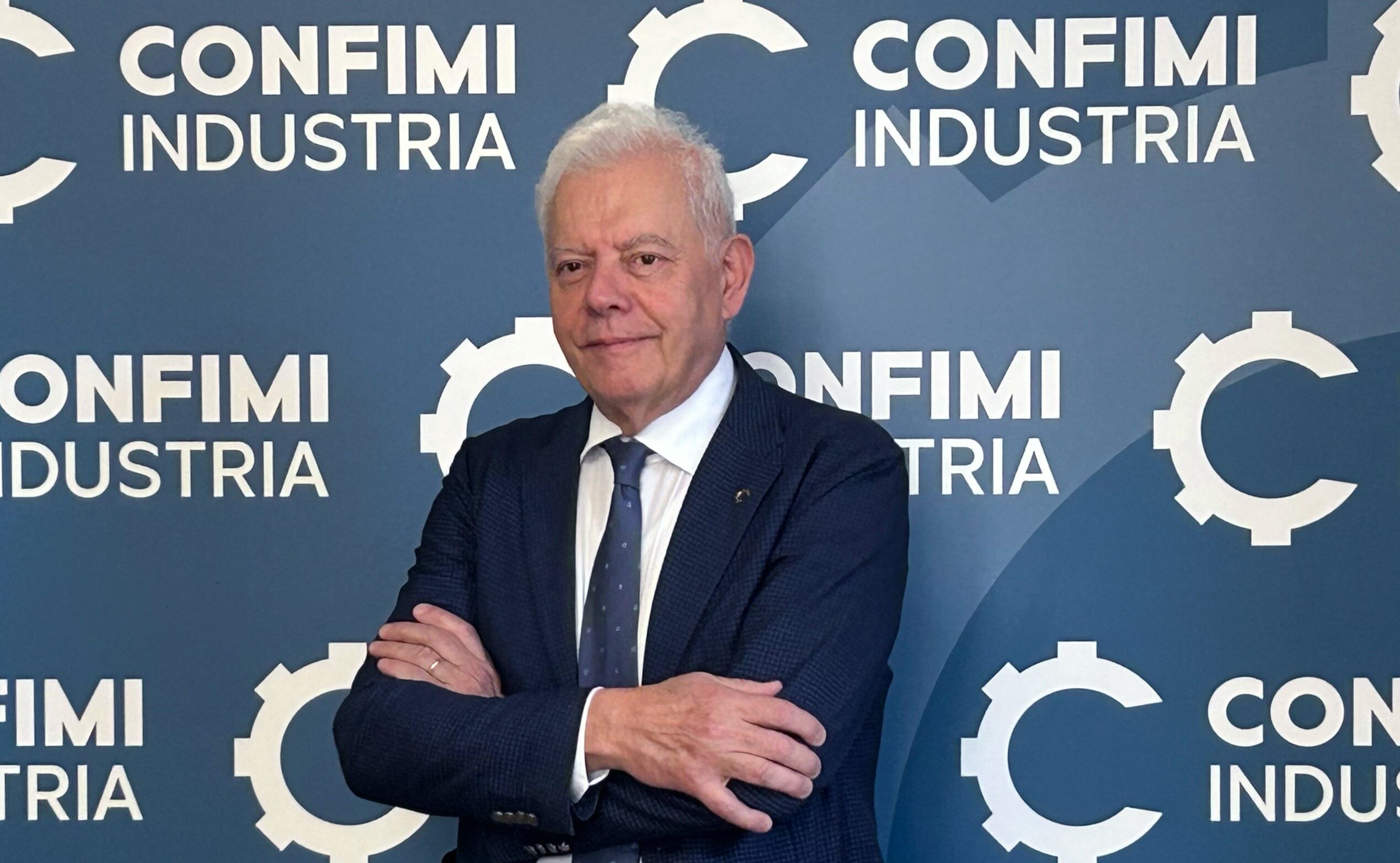
Brussels – “Four months after the new European regime on steel imports came into force, almost 30 per cent of companies in the foundry and engineering sectors have seen a fall in orders due to rules that make it cheaper to buy semi-finished products from outside the EU.” This is how Flavio Lorenzin, president of Confimi Industria Meccanica, summarises in a statement the critical issues that emerged during the conference organised yesterday in Padua by the trade association together with Confimi Industria Veneto and Confimi Industria Padova-Rovigo. The companies present described difficulties that are jeopardising the continuity of production and fuelling mistrust towards the decisions taken in Brussels.
At the heart of the criticism lies an asymmetry in the trade defence system. “The EU imposes duties on imports of metallic materials when they enter as raw materials, but applies them at a negligible rate – or virtually none at all – when metal products are imported as semi-finished goods. The metal is the same; it is who pays that changes: companies that buy it as a raw material bear the cost, while those that import it in a processed form do not,” explains Lorenzin.
From 1 July 2026, the European regulation provides for a 50 per cent duty on steel imports exceeding the annual quotas, compared with 25 per cent under the previous safeguard measure. Furthermore, from 1 January, with the final phase of the CBAM (Carbon Border Adjustment Mechanism), imports of cast iron, steel, and aluminium will also be subject to a charge linked to carbon dioxide emissions. Melted metals and many processed components from third countries, however, remain exempt from both mechanisms: the Commission has proposed extending the CBAM to over 400 downstream products from 2028, but the text is still under negotiation.
Meanwhile, prices are soaring. “From November 2025 to the present day, costs have risen by an average of 13 per cent for carbon steels, 16 per cent for stainless steels and 37 per cent for aluminium,” the chairman explains.
“Defending ‘Made in Italy’ is a political choice: if production costs in Europe are not reduced, businesses will either close or relocate,” warns Lorenzin. “We need lower taxes, less bureaucracy, competitively priced energy, flexible regulations, and a reduced tax wedge. And the cost of imports must be brought into line with the costs borne by European businesses.”
The association is therefore calling on Brussels to review import duties and to include semi-finished products, castings, and components in the CBAM negotiations; these are currently virtually duty-free and excluded from the mechanism. This measure is described as urgent but temporary, pending the introduction of an EU policy that restores competitiveness to Italian and European businesses without them having to rely on tariff protection.
English version by the Translation Service of Withub