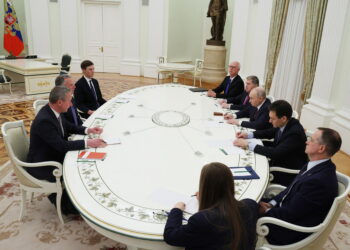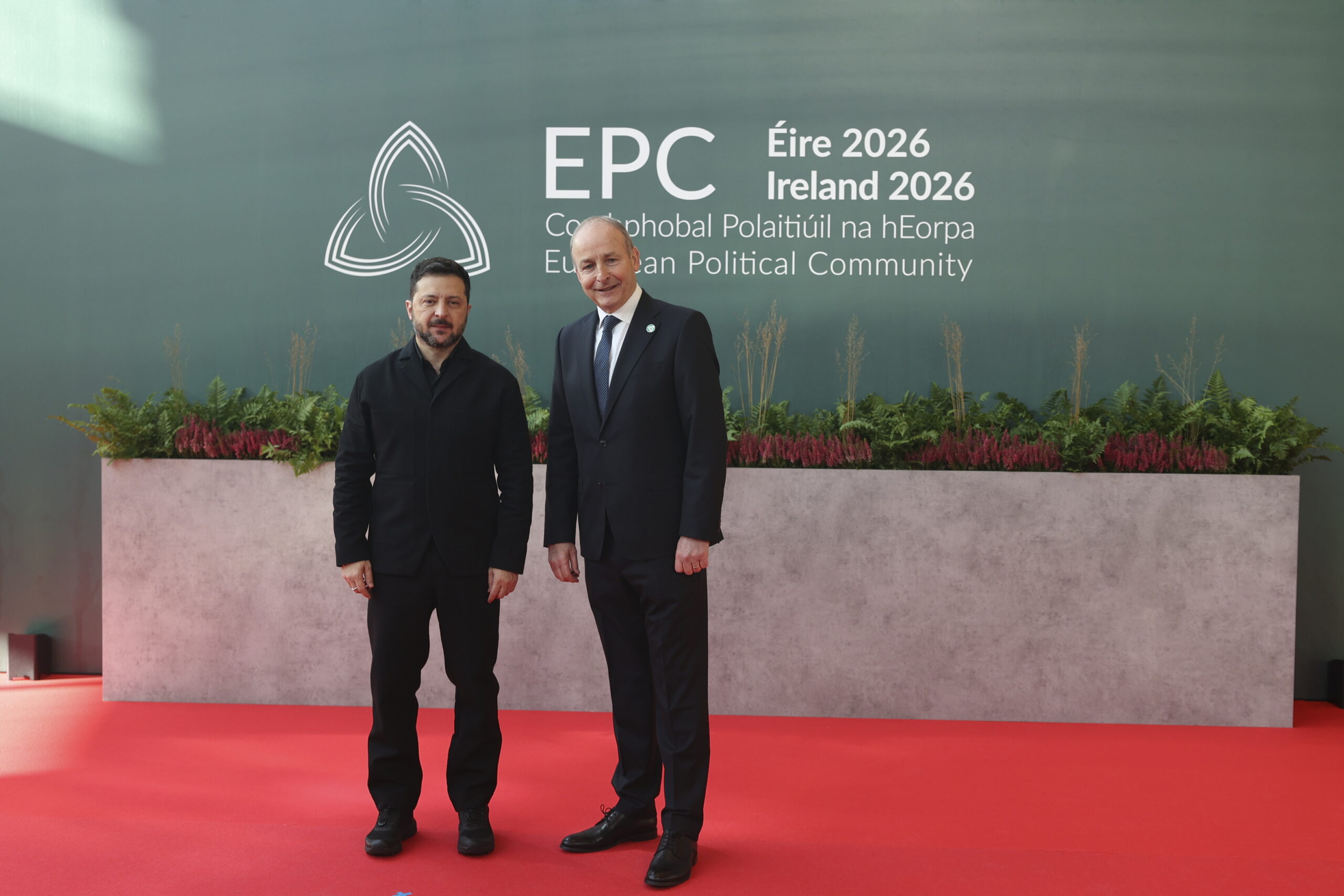
At an informal European Council meeting in Dublin on Friday, 13 November, leaders backed a team comprising Britain, France, Germany, Italy and Poland, alongside EU institutions. European Council President António Costa said the group would coordinate Europe’s contribution to negotiations in consultation with other member states. The announcement did not identify individual EU institutional representatives.
The five countries belong to the Coalition of the Willing, but the group includes no Baltic or Nordic states, several of which would be directly affected by Russia’s demands concerning NATO’s eastern presence.
The decision follows US-brokered talks in Abu Dhabi on 10–11 November, which ended without a territorial breakthrough. The discussions produced an agreement in principle to prepare a prisoner exchange involving more than 1,000 people. European and Ukrainian representatives also met American officials, but the European delegation did not participate directly in negotiations with Russia.
On Saturday, Zelenskyy’s office released remarks in which he said US negotiators had floated the possibility of Ukraine withdrawing from the remaining Ukrainian-controlled areas of Donbas in exchange for NATO membership. Washington has not confirmed the proposal. A US official told the BBC that several ideas remained under discussion and that any final agreement would require both sides’ consent.
Zelenskyy rejected surrendering territory, but said he would consider putting a comprehensive peace proposal to a referendum if it included credible security guarantees, no restrictions on Ukraine’s armed forces and funding for reconstruction.
Russia, meanwhile, wants negotiations to address Europe’s wider security architecture. Moscow has previously demanded restrictions on NATO’s military presence in countries that joined the alliance after 1997, raising concerns among European governments about reopening established security arrangements.
Kremlin spokesman Dmitry Peskov said Saturday that Moscow would not dictate the makeup of Europe’s negotiating team, though Russia has not formally agreed on the group’s role or participation. No confirmed date has been announced for the next round of talks.
The diplomatic developments coincide with renewed concerns over Ukraine’s air defences.
Speaking to reporters on Friday, Zelenskyy accused SpaceX of misleading Kyiv over restrictions affecting its military-grade Starshield satellite communications service. He said Ukrainian drones were losing connectivity at speeds above 161 km/h, limiting their ability to intercept faster Russian attack drones and conduct strikes against military targets in occupied territory.
SpaceX denied introducing new restrictions or changing its satellite operations.
On Sunday, Zelenskyy warned that the restrictions were making Ukrainian energy infrastructure more vulnerable. He said Russia had launched more than 2,300 drones, 1,590 guided aerial bombs and 15 missiles over the preceding week. The figures have not been independently verified.
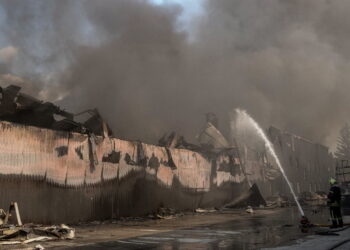
Russian strikes on 15 November damaged energy facilities in Odesa Oblast, leaving approximately 41,000 households without electricity, according to power company DTEK. Ukraine’s Interior Ministry also reported that an attack on Chornomorsk injured six people and damaged residential buildings, energy infrastructure and a gas pipeline.
Ukraine continued its own campaign against Russian industrial facilities. On Sunday, its General Staff reported strikes against a petrochemical complex and oil refinery in Nizhnekamsk, Tatarstan, and an aviation-related manufacturing facility in Bryansk Oblast.
The immediate focus now shifts to Brussels.
EU foreign ministers meet on Monday to discuss strengthening Ukraine ahead of winter and responding to Russia’s hybrid activities against member states. Ukrainian Foreign Minister Andrii Sybiha is expected to join the discussions.
On Tuesday, EU defence ministers will examine additional air-defence support for Ukraine, its integration into Europe’s defence-industrial base and transatlantic security cooperation.
For Europe, securing representation in negotiations is only the first step. Its influence will depend on maintaining a common position over Ukraine’s sovereignty while providing the military capabilities Kyiv needs to withstand continued Russian pressure.