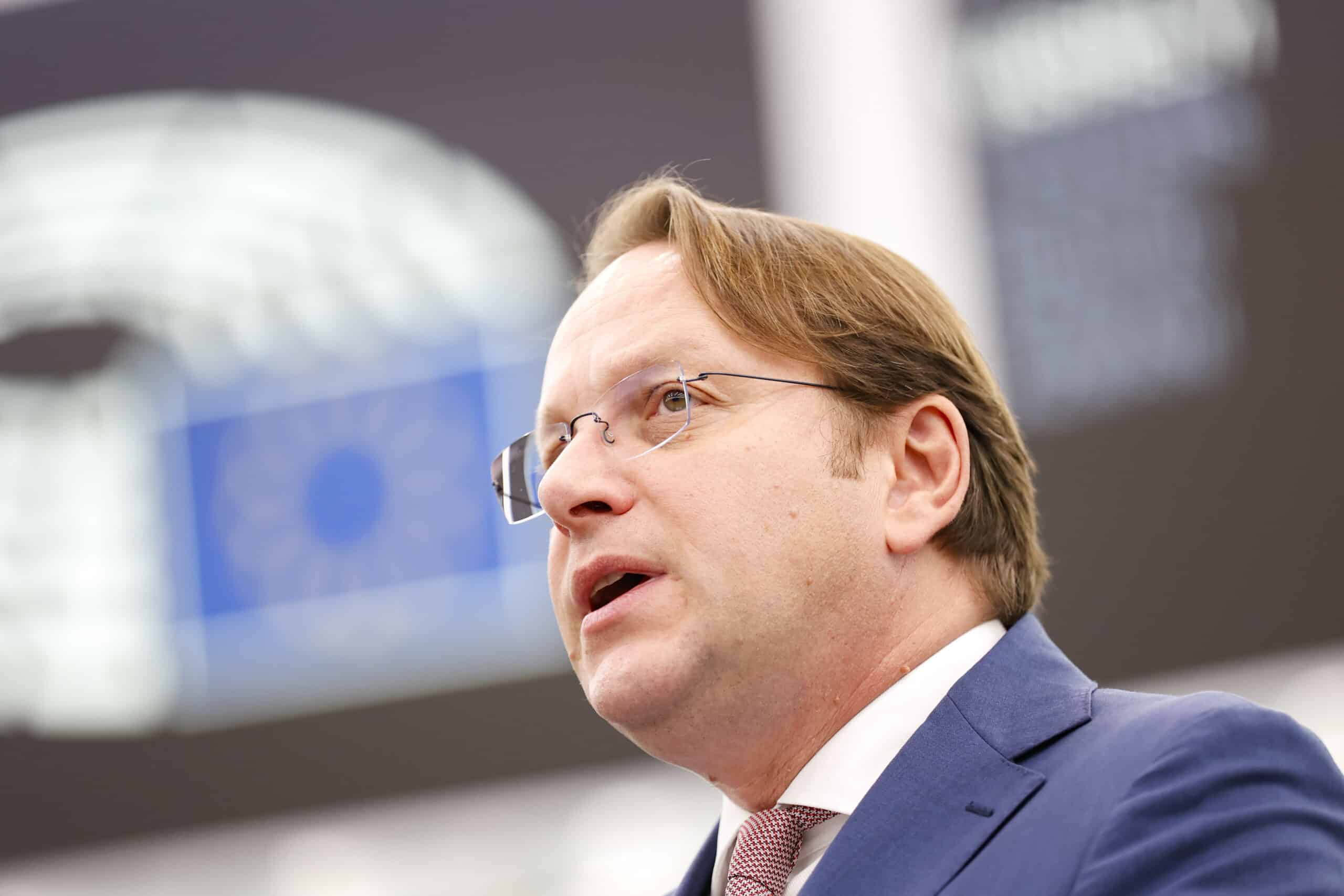
Brussels – Cardiovascular disease is the leading cause of death in the EU, affecting some 62 million people and causing the death of 1.7 million Europeans each year. The Union must do more to combat this phenomenon, as recognised by the European Commissioner for Health, Olivér Várhelyi: “30 per cent of young Europeans are obese, and 20 per cent are pre-diabetic due to their physical condition. By 2050, such sufferers will double.”
To turn the tide and improve prevention and treatment, the European Commission has decided to present a health package dedicated solely to cardiovascular diseases. The project is part of a broader incentive effort by the EU body, which also includes aid for research in biotechnology and regulatory simplification in the field of food safety.
The “Safe Hearts” plan
The plan, with the unambiguous “Safe Hearts” name, aims to reduce deaths by 25 per cent by 2035, raise public awareness, and focus on prevention. To achieve this, Várhelyi recalls, will require “the use of artificial intelligence, used in conjunction with the latest technologies to make clinical trials more efficient.” With this in mind, the Commission has proposed a new European biotechnology law to simplify and speed up the research process. “We already know that the proposals we will present will take about two years to become law and have an effect on the population,” the commissioner added.
The pillar is prevention
Back to the “Safe Hearts” plan, prevention is the weapon the Commission has chosen as the “pillar” to intensify action against cardiovascular diseases. The ageing population is burdening national healthcare systems, making it difficult to ensure efficient treatment for all. For this reason, the Berlaymont Palace’s commitment is to support the Member States in developing national plans to combat cardiovascular diseases. The initiatives against tobacco consumption are also reconfirmed: as already announced, the executive body is pushing for
harmonised rates at the European level, including for smokeless products. Among the main causes of cardiovascular disease are also over-processed foods, for which the European institution pledges to “examine appropriate instruments, including possible financial actions.”
European Integration
To make all these ambitions a reality, greater integration of health systems is needed, such as a European network of cardiovascular health centres and a control panel on health inequalities. However, the €2.3 billion investment so far put in place by European bodies seems insufficient, and the Commissioner himself has confirmed an increase. The specific prevention initiatives complement the financial support provided by the EIB to the biotech sector and the omnibus package on food and feed announced by the Commissioner for Economy and Productivity, Valdis Dombrovskis. The Union is therefore taking action, but Várhelyi warned that, for the effects to become concrete, “other legislators must support us.”
English version by the Translation Service of Withub