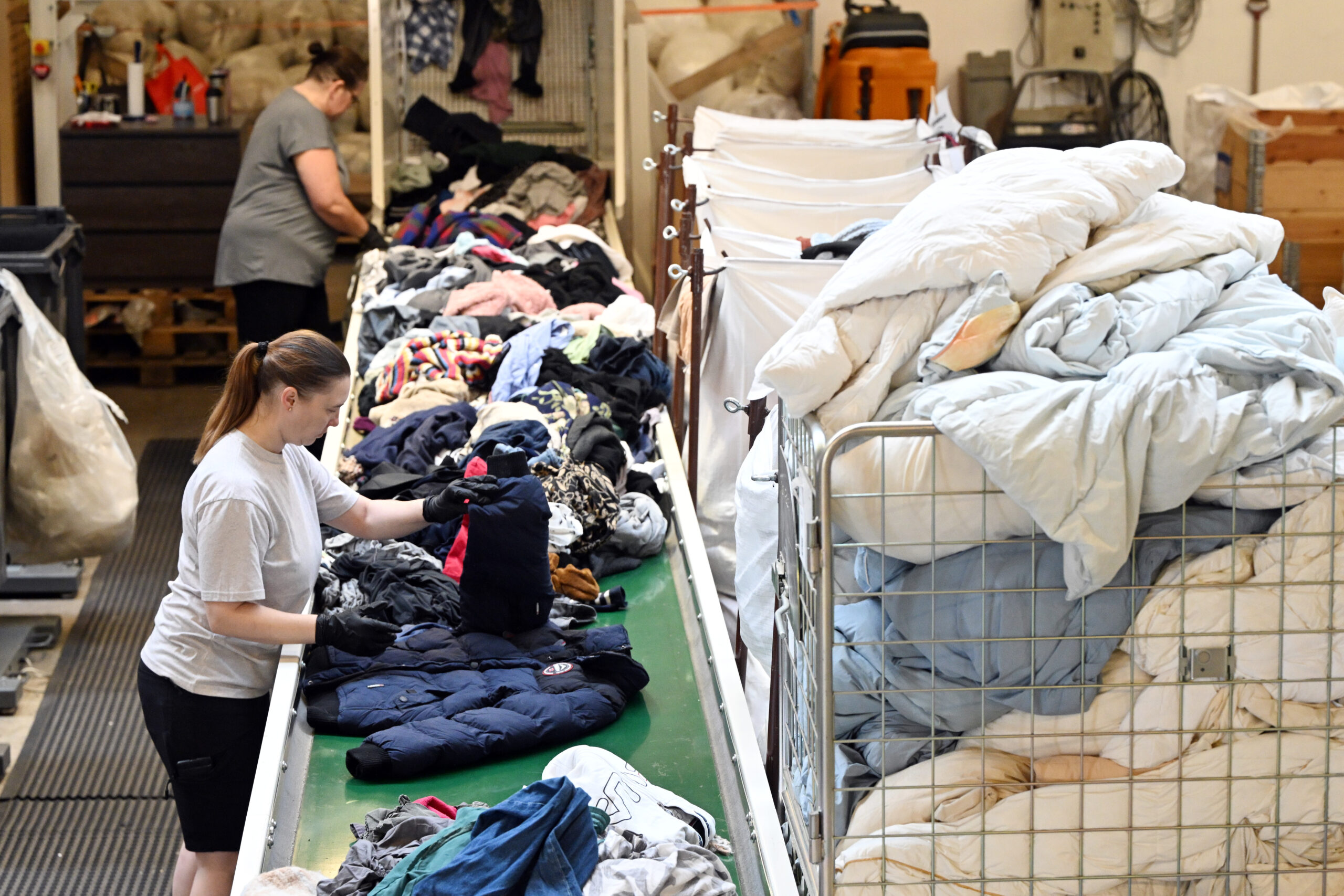
Brussels – New rules on the disposal of unsold textiles were adopted today (9 February) by the European Commission under the Ecodesign for Sustainable Products Regulation (ESPR), which aims to prevent the destruction of unsold clothing, accessories, and footwear. “Every year in Europe, around 4-9 per cent of unsold textiles are destroyed before they are even worn. This waste generates around 5.6 million tonnes of CO2 emissions, a figure almost equivalent to Sweden’s total net emissions in 2021,” writes the European Commission. According to EU data, for example, in France alone, approximately €550 million worth of unsold products are destroyed each year. This harmful practice is also fuelled by online shopping: in Germany, nearly 20 million returned items are discarded each year. In this context, the new measures aim to clarify the circumstances under which destruction will be permitted and to introduce a standardised format that allows companies to report the volumes of unsold consumer goods they dispose of.
In particular, to address carbon waste, the new measures require companies to disclose the volumes of unsold consumer goods they dispose of in a standardised format and to clarify the circumstances under which destruction will be permitted, for example, for safety reasons or due to product damage. The ban on destruction will apply to large companies from 19 July 2026. Medium-sized companies will be required to comply by 2030. “The new measures,” continues the European executive, “will help to reduce waste, reduce environmental damage and create a level playing field for businesses,” and, to tackle the problem of waste, “we encourage businesses to consider viable alternatives such as resale, recycling, reuse, and donations“.
“The textile sector is leading the way in the transition to sustainability, but there are still challenges to be addressed. Waste data demonstrates the need for action. Thanks to these new measures, it will be able to move towards sustainable and circular practices, enabling us to increase our competitiveness and reduce our dependencies,” comments Commissioner for the Environment, Water Resilience and a Competitive Circular Economy Jessika Roswall.
The ESPR, which came into force on 18 July 2024, is part of a broader package of measures to achieve the objectives of the Circular Economy Action Plan 2020, a strategy that aims to promote the transition to a circular, sustainable, and competitive economy and help the EU achieve its environmental and climate goals, double its rate of circularity in the use of materials and achieve its energy efficiency targets by 2030.
English version by the Translation Service of Withub