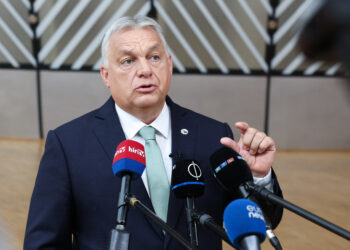


Brussels – No energy, no new sanctions, and no support either. Ukraine and Hungary are at loggerheads, much to the disappointment of the European Union, which is seeking the green light to the 20th package of restrictive measures against Vladimir Putin’s Russia. The source of friction between Budapest and Kyiv is the halt to Russian oil transit, which is still permitted at the EU level. The Druzhba pipeline, which transports Russian crude oil to Hungary and Slovakia via Ukraine, has been damaged by recent Russian attacks, and it will not resume deliveries to the two Central European countries because, Budapest claims, Ukraine has no intention of repairing it. Hence, the decision to veto sanctions.
At tomorrow’s Foreign Affairs Council, the EU aims to adopt the 20th sanctions package. Hungary will block it. Until Ukraine resumes oil transit to Hungary and Slovakia via the Druzhba pipeline, we will not allow decisions important to Kyiv to move forward.
— Péter Szijjártó (@FM_Szijjarto) 22 February 2026
The Hungarian Foreign Minister, Péter Szijjártó, is adamant: ” Hungary will block it. Until Ukraine resumes oil transit to Hungary and Slovakia via the Druzhba pipeline, (the approval, ed).” Not only that: the Hungarian delegation intends to stand in the way of any file relating to support for Ukraine. “We will not allow decisions important to Kyiv to go ahead,” he clarifies.
The Hungarian position has annoyed its partners, who are determined to send a message to Moscow on the anniversary of the outbreak of the war of aggression, which falls tomorrow (24 February). The High Representative for Foreign Affairs and Security Policy, Kaja Kallas, publicly expressed this disappointment: “We are doing our best to get this sanctions package approved, but having heard very strong statements from Hungary, I don’t think they will change their position, unfortunately.”
Kallas shows a sense of resignation, but is also dissatisfied with the issues raised by the Hungarian government, which, in her opinion, “have nothing to do with the twentieth package of sanctions.” For this reason, the High Representative continues, “we should not link things that are not linked at all,” she adds on her arrival to participate in the work of the Foreign Affairs Council, where she is forced to adopt a wait-and-see approach. “Let’s listen to them explain the reasons why they are blocking, and then see if there are any possibilities to overcome them,” she said.
Once again, energy issues are negatively affecting relations between the European Union and Ukraine and causing tensions within the club of 27 member states. A year ago, Slovakia threatened to veto the interruption of Russian gas supplies by Ukraine.
English version by the Translation Service of Withub