Brussels – The European Commission today (26 February) presented a proposal for a directive to combat firearms trafficking. No cause for alarm, “Europe is one of the safest places in the world, but some challenges are emerging,” said Home Affairs Commissioner Magnus Brunner. In particular, there are two concerns that worry the executive: a future influx of weapons from ongoing war zones, primarily Ukraine, and the growth in the production and trade of 3D-printed weapons.
According to European Commission estimates, there are already over 620,000 lost or stolen firearms in circulation in the EU. They kill more than 1,300 people every year. Brussels first adopted a directive on firearms in 1991, which was updated and tightened in 2015 after a series of terrorist attacks, and again in 2021. However, “there are currently significant differences in the way firearm-related offences are defined and punished, resulting in a fragmented legal framework in the EU,” the Commission admits.
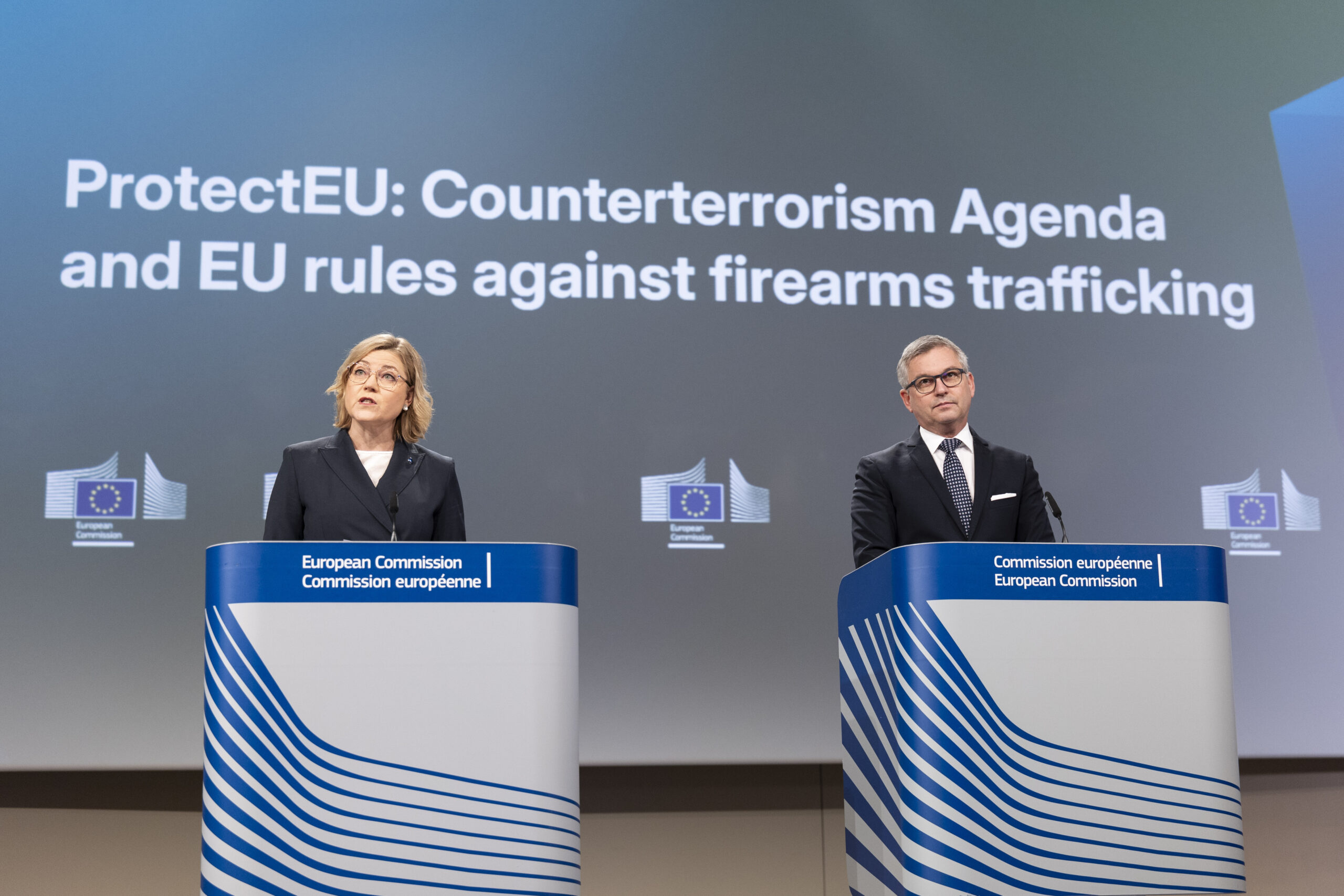
The directive tabled today introduces common definitions of offences—including trafficking, manufacturing, or possession of illegal firearms, as well as the unlawful creation, acquisition, and dissemination of designs for 3D firearm printing—and minimum penalties. “It only concerns intentional acts involving illegal firearms, fully preserving the legitimate activities of authorised dealers, industry, and citizens,” emphasised European Commission Executive Vice-President Henna Virkkunen.
The Commission proposes to harmonise minimum penalties for certain firearms offences: at least two years’ imprisonment for the creation, acquisition, possession, and distribution of 3D designs, at least five years for the possession of illegal firearms, essential components, and ammunition, and at least eight years for the trafficking and manufacture of illegal firearms.
In addition, the proposal includes the obligation for Member States to establish a centre, a “national focal point”, to improve the collection and standardisation of available data and to strengthen operational cooperation between Member States for investigations and seizures. Capitals would be required to share with the European Commission statistical data (on the number of firearms seized in the context of criminal offences, the number of investigations, criminal proceedings and convictions, the number of cases dismissed, the number of legal persons involved, and the level and type of penalties imposed) every five years.
English version by the Translation Service of Withub