Brussels – On energy security, the priority is to keep energy flows alive, particularly shipping through the Strait of Hormuz. On the Ukrainian front, this is not the time to ease pressure on the Kremlin. This was jointly stated on X by the President of the European Commission, Ursula von der Leyen, and the President of the European Council, Antonio Costa, following the videoconference between G7 leaders, organised by the French Presidency and chaired by Emmanuel Macron, to discuss the economic consequences of the war in the Middle East, particularly the energy situation.
“Thank you, Emmanuel Macron, for organising a call with G7 partners to discuss a coordinated response to the worrying situation in Iran and the Middle East. We are focusing on minimising the impact on security and the global energy market,” write von der Leyen and Costa.
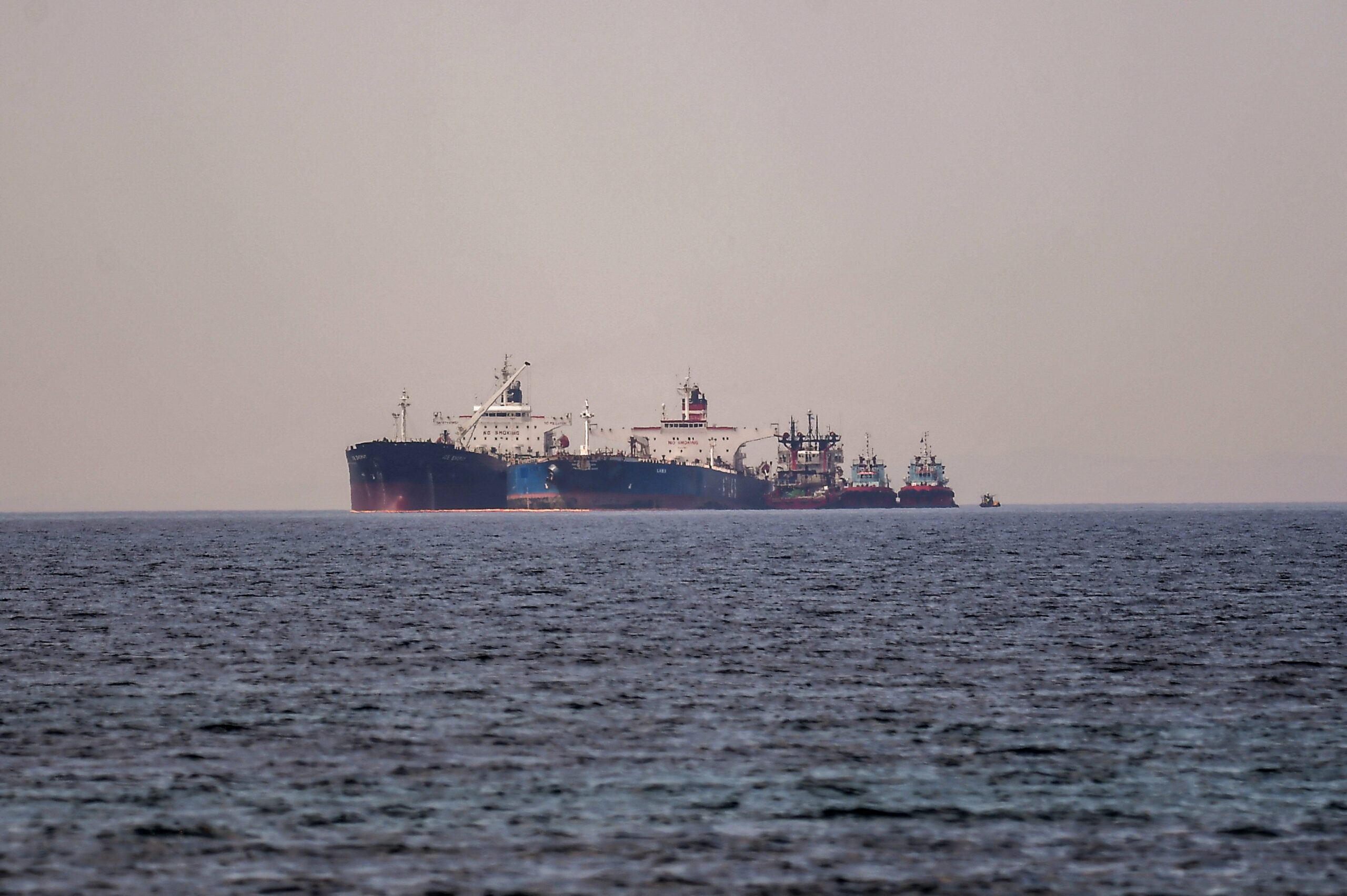
“The President of the European Council and I reiterated that the immediate priority is to keep energy flows moving, particularly navigation through the Strait of Hormuz, which is fundamental to the global economy, while applying a cap on oil prices will help stabilise markets and limit Russia’s revenues,” they explained. “This is not the time to ease sanctions against Russia. We both welcomed today’s decision by the International Energy Agency (IEA) to put 400 million barrels of oil into an emergency reserve to ease tensions in global energy supplies. We agreed to work closely with partners in the region to prevent the conflict from spreading and to restore stability,” von der Leyen and Costa detailed.
In a statement at the end of the G7 leaders’ video conference, Macron explained that Iran’s military capabilities had not been “reduced to zero” by the attacks by the United States and Israel and called on US President Donald Trump to “clarify both the ultimate objectives and the pace he intends to give to military operations.”
“There is already considerable damage to Iran’s military ballistic capabilities, but it continues to attack several countries in the region and therefore its capabilities have not been reduced to zero,” Macron pointed out. In addition, however, according to the French president, the Strait of Hormuz has become “a theatre of war” and “three key areas” are those on which the G7 countries are focusing: “Presence in the eastern Mediterranean, freedom of navigation in the Red Sea and the need to establish a coordinated effort involving several navies for several weeks to provide escorts when necessary and ensure freedom of navigation in the Strait of Hormuz,” he said, specifying that “the conditions are not currently met” and that “this work must be organised.” Meanwhile, with regard to the other war front, in Ukraine, the head of the Élysée Palace made it clear that “the G7 has agreed that the situation does not justify the lifting of sanctions against Russia.”
English version by the Translation Service of Withub