
Brussels – Since the start of the US and Israeli attack on Iran, the surge in gas prices has led to a doubling of the cost of gas-fired electricity across Europe and an estimated additional cost to Europeans of 2.5 billion euros for fossil fuel imports in the first 10 days of the conflict alone. This is reported by an analysis by the independent, non-profit think tank Ember.
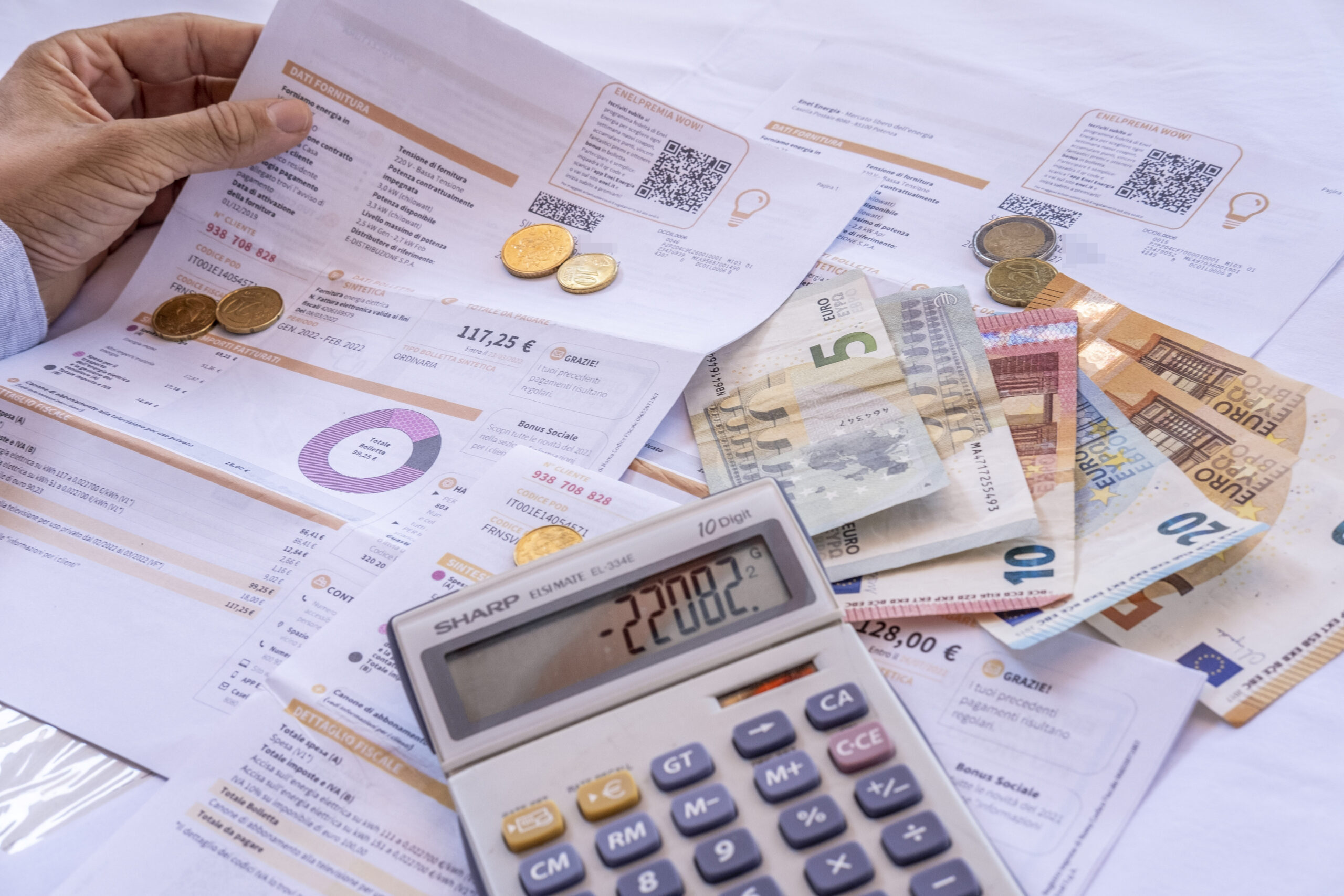
“The cost of gas-fired power across Europe has increased by more than 50 per cent due to the gas price spike since February 28,” according to a statement. This increase affects electricity costs, “adds twice as much to electricity costs as the cost of carbon due to the EU Emissions Trading Scheme (ETS),” as “current gas prices, the carbon cost constitutes at most around 10 per cent of the final EU household electricity bill, less than the average rate of VAT (18 per cent).” In this context, the countries least exposed to price rises are those that rely least on gas for electricity. For example, Spain – which has achieved a structural decoupling between gas and energy prices in its market, thanks to the rapid growth of wind and solar power since 2019 – where gas has influenced the price of electricity in only 15 per cent of hours so far in 2026, compared to 89 per cent in Italy, and where average electricity prices “remain below the cost of gas-fired power, and lower than other EU countries with large gas power fleets.” According to the think tank, although “it is too early to conclusively assess what impact this latest gas price spike will
have on electricity prices, there are some early signs of impact. Price volatility increased in March, especially in the highly interconnected markets of central and western Europe, driven by price spikes in the gas-heavy early morning and evening hours. In the first week of March, power prices rose to their highest levels of the year in Germany, the Netherlands, Italy, and Belgium. Less gas-reliant countries such as Spain, Portugal, France, and the Nordics appear less impacted.”
To quantify the financial burden on citizens, Ember estimates that in the first 10 days of the conflict, the EU spent an additional 2.5 billion euros on fossil fuel imports. Overall, “the EU’s total fossil import bill rose from 313 billion euros in 2021 to 693 billion euros in 2022, falling back to 376 billion euros in 2024.” and “in total, inflated prices due to the previous crisis added almost 1 trillion euros to the EU’s fossil import costs.” Now, “In the first ten days of the current crisis, the rise in fossil fuel prices will have already cost Europeans an estimated 2.5 billion euros (compared to the cost at pre-conflict price levels),” the survey specifies. Even in this context, “some EU countries are more exposed” than others, but “all European consumers will feel the impact of the fossil price spike in some way,” whether for the cost of gas for heating or diesel for transport, or rising food prices due to the increased cost of fossil fuel-based fertilisers. Furthermore, “most countries will be burdened by an increase in electricity prices – particularly those lagging behind in deploying renewables and clean flexibility, which reduces the influence of gas on electricity prices.”
“Once again, global conflict has sent gas prices soaring, with potentially dramatic economic consequences for import-dependent regions. Clean power paired with electrification is the only way to shield against sudden gas and power price hikes in this and future crises,” Chris Rosslowe, senior energy analyst at Ember, said. “Some countries have moved faster than others, with plenty of work still to do to build a resilient, clean, electrified energy system across the bloc,” he highlighted.
The think tank points out that, following the Israeli and US attacks on Iran, Tehran’s subsequent closure of the Strait of Hormuz – through which around a fifth of global supplies of oil and liquefied natural gas (LNG) transit – and Iran’s subsequent attacks on neighbouring states, such as Qatar, which led to the shutdown of the Ras Laffan plant, which produces around a fifth of the world’s LNG, gas prices in Europe have skyrocketed as a result global supply disruptions. More specifically, “international oil and gas prices climbed immediately following escalation of conflict, and have remained elevated,” the report states. Gas prices in Europe (TTF – Dutch Title Transfer Facility) reached an average of 45 euros/MWh in the first week of the conflict (2–6 March), an increase of almost 50 per cent compared to pre conflict levels (31 euros/MWh). And although “the immediate risk of supply shortages for Europe is low because direct gas imports from the Middle East are relatively small. Around 10 per cent of EU LNG imports are sourced from Qatar, equivalent to roughly 5 per cent of all fossil gas imports.” Some European countries, however, are “more dependent.” This is the case for Italy and Belgium, which imported 36 per cent and 24 per cent of their LNG from Qatar, respectively, in the first half of 2025.
Finally, the think tank points out that, in recent weeks, questions have been raised again about the suitability of the marginal pricing system. The carbon price (EU-ETS) has also come under scrutiny, “with industry groups lobbying to weaken the mechanism and the Italian government calling for a suspension.” For Ember, however, “it’s far from guaranteed that removing carbon costs would significantly lower consumers’ electricity prices. Electricity market prices – which include the cost of carbon – make up less than half of the typical EU household electricity bill. At current gas prices, the carbon cost constitutes at most a fifth of this cost segment, translating into at most 10 per cent of the final electricity bill. This is less than the average rate of VAT on electricity, which was 18 per cent in 2024.” For this reason, “While the price impact of removing carbon costs is uncertain, it would certainly remove a stream of revenue and an incentive to invest in clean alternatives.” Whereas “Only these alternatives – renewables, batteries, demand flexibility, and electrification – can build resilience to future fossil fuel price shocks.”
English version by the Translation Service of Withub