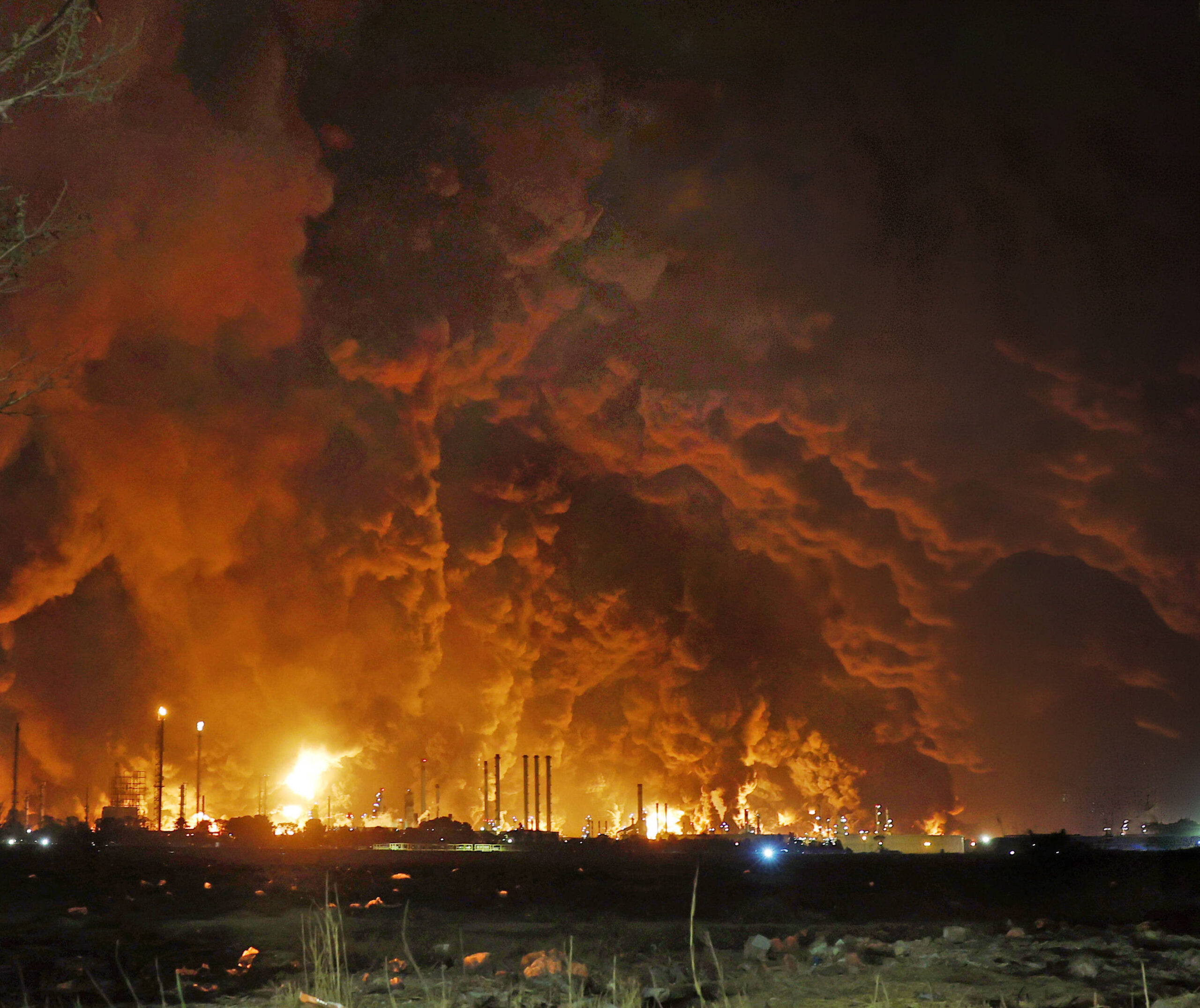
Brussels – The International Energy Agency has sounded the alarm: the war in Iran has reduced oil and gas production in the region by at least 10 million barrels per day. This is the “largest supply disruption in the history of the global oil market.”The price of crude oil rises again above $100 per barrel, while the new Supreme Leader, Mojtaba Khamenei, reiterates the closure of the Strait of Hormuz. The European Commission, which has convened the “oil coordination group”, is trying to maintain calm and states: “No immediate concerns about the security of supplies have emerged.”
After approving the release of 400 million barrels of oil from the emergency reserves of its member countries (32 members and 13 associates), the IEA issued a new report today (12 March) in which it warned that the collapse of production in the Middle East could lead to a global decline in oil production of 8 million barrels per day this year. The escalation of the conflict has already damaged several oil and gas infrastructures, and many companies are halting production because, with the Strait of Hormuz closed, local storage facilities are filling up.
“Without a rapid recovery in transport flows, supply losses are set to increase,” says the IEA. One-fifth of the world’s crude oil supply passes through the Strait of Hormuz, which is controlled by Iran. Its closure “has effectively removed 15 million barrels of oil per day from the global market,” causing “sharp fluctuations in market prices.” Today, the price of Brent crude, the global benchmark for oil based in the North Sea, rose to over $101 per barrel. US crude reached $96.55 per barrel.

The IEA analysis shows that consumer countries, fortunately, have “significant quantities of oil in storage to cover temporary supply losses,” with global stocks at their highest level since February 2021, at over 8.2 billion barrels. “About half of these stocks are held by OECD countries, of which 1.25 billion barrels are held by governments for emergency purposes, with an additional 600 million barrels of industrial stocks held under government obligation,” the report states.
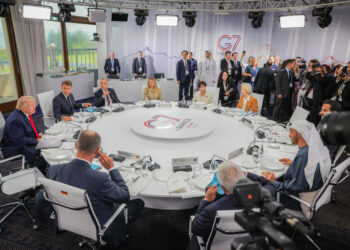
Today, EU countries met to discuss the IEA’s proposal to release a record 400 million barrels of oil, more than double the 182 million barrels released at the start of the war in Ukraine. “Our Member States interpret this initiative as a collective and voluntary action based on their own national circumstances,” said a European Commission spokeswoman, adding that “some Member States have expressed their intention to release some stocks following the IEA’s request.”
According to assessments by the EU’s oil and gas coordination groups, “there are no immediate concerns in terms of security of supply.” As far as gas is concerned, “there is greater concern about rising prices,” the spokesperson admitted. Since the start of the conflict, gas prices have risen by 50 per cent and oil prices by 27 per cent. For the IEA, the final impact of the conflict on oil and gas markets will depend “crucially on the duration of disruptions to maritime traffic through the Strait of Hormuz.” The Agency issues a final warning: “The coordinated release of emergency stocks provides an important and welcome buffer, but in the absence of a rapid resolution to the conflict, it remains a temporary measure.”
English version by the Translation Service of Withub