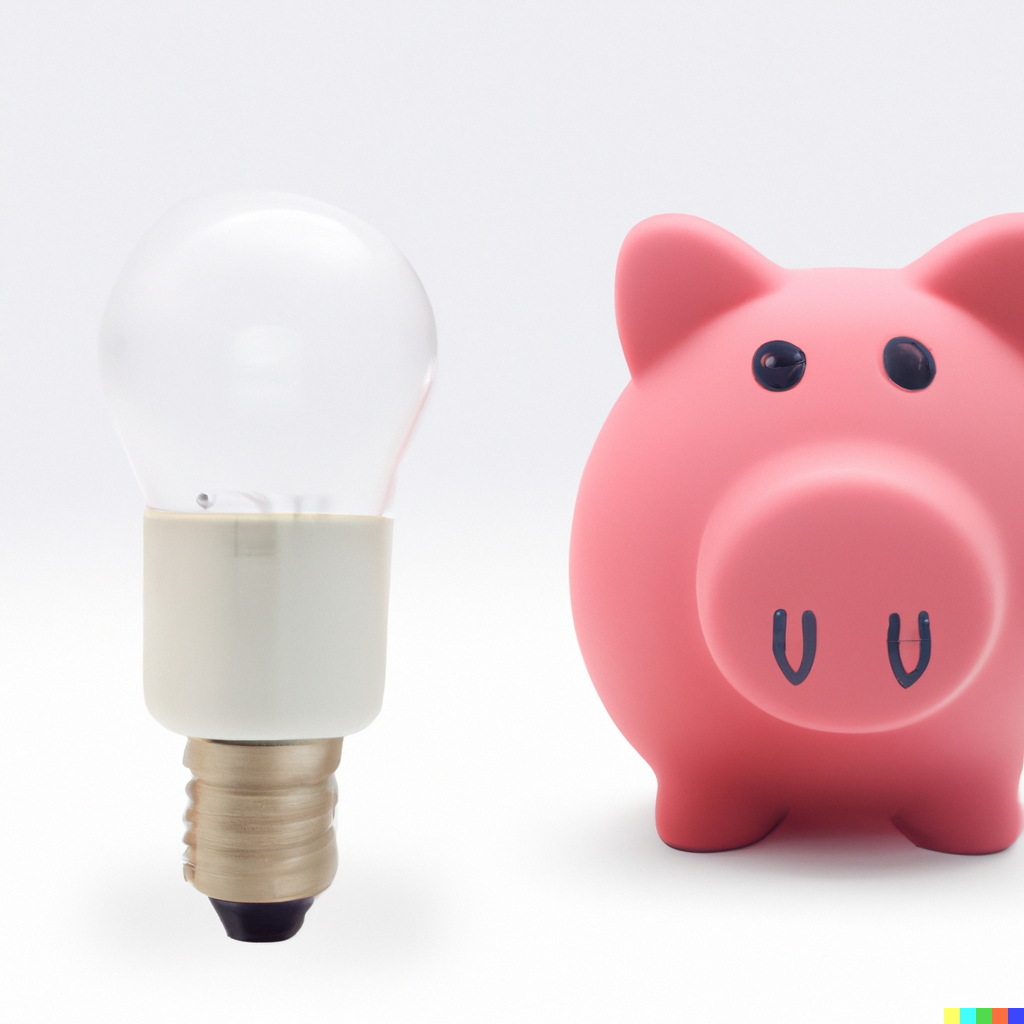
Brussels – Due to the war in Iran and its knock-on effects on the real economy, households now face a serious risk of curbing their spending. The new wave of price rises, driven by higher energy costs, could reignite anxieties about similar situations experienced in recent years, leading to a greater propensity to save. This is the warning issued by experts of the European Central Bank in an analysis of the combination of geopolitical risks and the negative experiences from previous crises triggered by the pandemic and the war in Ukraine. The so-called “double scar” factor also weighs heavily on consumer spending, namely the memory that amplifies current choices and reactions.
“Many households now carry cumulative experience from the post-pandemic and Ukraine-related inflation episodes,” according to the report. By early 2026, euro area households had lived through “both the biggest inflation surge of recent times and a major war in Europe.” This is no trivial matter. On the contrary, the research shows that “both experience and memory can have a pervasive influence on economic behaviour,” and, therefore, on decisions regarding the use of money. “So there is good reason to believe that consumer expectations are shaped not only by current developments, but also by memories of these recent adverse events.”
According to ECB experts, “such ‘scars’ may increase consumers’ sensitivity to new shocks.” This means that stagflationary scenarios – certainly being warned about, but not currently present – risk being “more pronounced and persistent in their beliefs.” Consequently, this belief “could reinforce macroeconomic uncertainty and ultimately influence consumer spending” in a way that runs counter to expansion. In other words: “Prolonged geopolitical conflict can inhibit consumer spending and create a drag on economic growth.”
The trends examined in Frankfurt suggest that “consumers are experiencing the war in Iran with a potential ‘double scar’,” one relating to the surge in inflation, and the other caused by the lingering effects of previous geopolitical tensions. “These two scars may reinforce each other and are likely to shape consumer expectations and behaviour in the coming months, as conflicts and heightened macroeconomic uncertainty persist.”
English version by the Translation Service of Withub
![[archivio]](https://www.eunews.it/wp-content/uploads/2025/09/bavaglio-350x250.png)

![Da sinistra: il presidente del Consiglio europeo, Antonio Costa; il presidente dell'Ucraina, Volodymir Zelensky: la presidente della Commissione europea, Ursula von der Leyen [Bruxelles, 18 giugno 2024. Foto: European Council]](https://www.eunews.it/wp-content/uploads/2026/06/euco_ua260618-120x86.jpg)
![[foto: Saverio De Giglio/imagoeconomica]](https://www.eunews.it/wp-content/uploads/2026/10/cpt-120x86.png)