Brussels – What is the impact of high fuel prices on tourism? According to the European Commission, it is limited for the time being because travelers are adapting to the situation and, rather than cancelling, are opting for closer destinations, perceived as safer and more affordable, and are increasingly turning to last-minute bookings. This was stated by the European Commissioner for Transport, Apostolos Tzitzikostas, in response to a parliamentary question submitted to the European Commission by the Spanish MEP from the European People’s Party (EPP), Borja Giménez Larraz, on 23 April. In the question, the Spanish MEP asked the European Commission to comment on the impact of airline cuts on tourism in Europe. Specifically, Larraz asked whether the Commission had quantified the impact that cuts in airline capacity would have on tourism – particularly for those Member States most dependent on the sector – and what measures it would implement should the crisis worsen (joint kerosene purchases, specific strategic reserves, or sector-specific support).
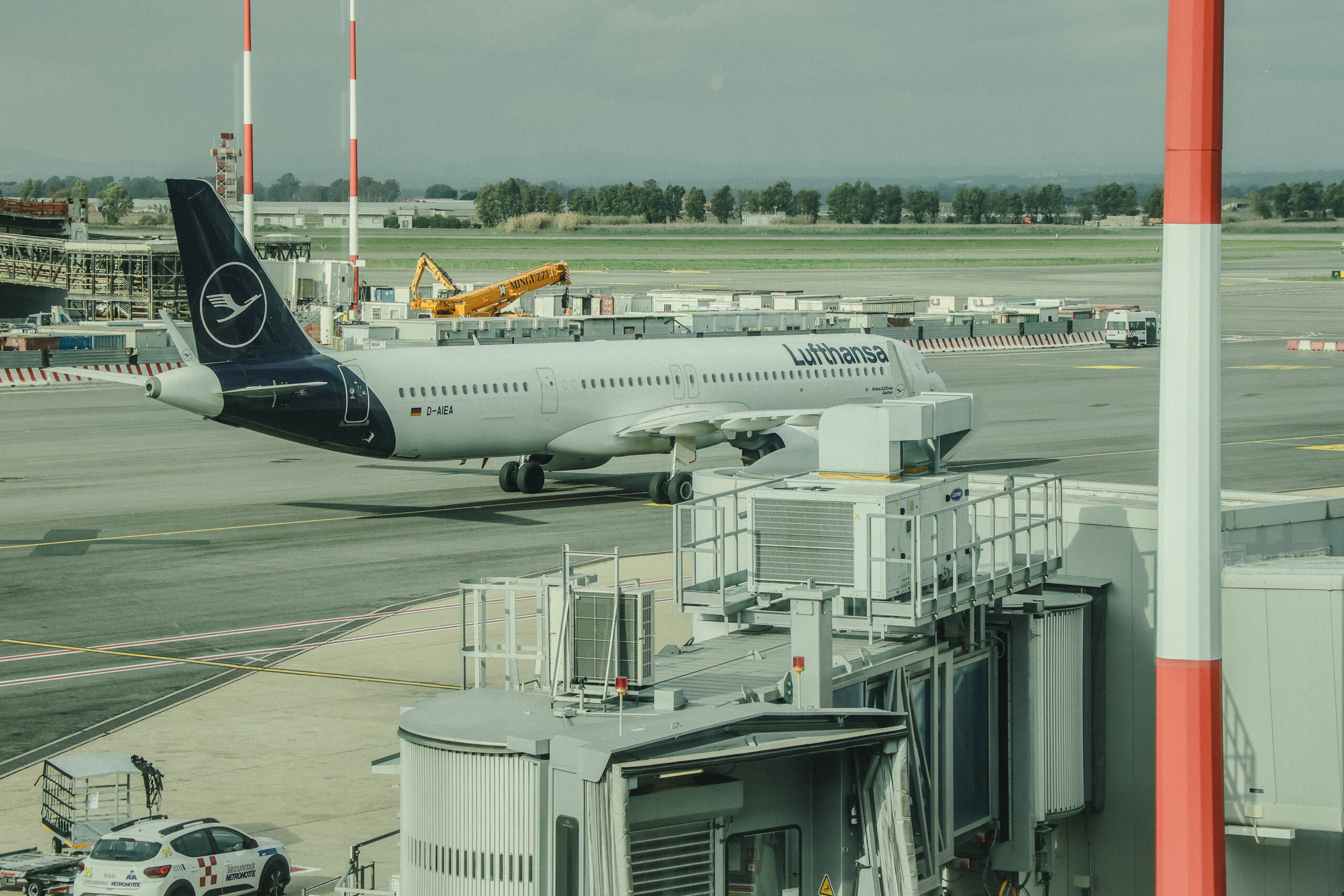
Larraz pointed out that, although the EU may release emergency stocks of kerosene, the doubling of jet fuel prices due to the war in Iran has led the German airline Lufthansa to cancel 20,000 short-haul flights until October and to close Lufthansa City Airlines, the group’s new regional airline. Added to this are cuts, warnings, and price rises from other airlines. The MEP also pointed out that the Commission has promised to coordinate with Member States, suppliers, and the aviation sector to secure alternative fuel supplies and optimise their distribution. However, according to Larraz, the EU executive has not specified the tools, timelines, or mechanisms to be adopted should the situation worsen, nor has it addressed the impact the energy crisis may have on tourism. “These events are taking place in the run-up to high season in the Member States most at risk,” the MEP reiterated, before citing statistics relating to his own country. According to the Spanish National Institute of Statistics (INE), in 2024, tourism in Spain generated over 200 billion euros, equivalent to 12.6 per cent of the national GDP. The sector has also created over 2.7 million jobs, accounting for 12.3 per cent of the nation’s total employment. “And more than 82 % of its international tourists arrived by air that year,” he added.
The reply arrived in writing on 19 May 2026. Speaking on behalf of the executive, Tzitzikostas began by clarifying that, according to feedback from various sources, “the overall impact on tourist numbers is currently limited.” He went on to explain that “travellers are adapting rather than cancelling, shifting towards short-haul,
perceived safer and more affordable destinations, with shorter booking windows and
increased last-minute behaviour.” On this point, the Commissioner highlighted that according to the European Travel Commission, a non-profit organisation that brings together the main national tourism agencies of European countries, Europeans’ desire to travel is at 82 per cent, the highest level recorded since 2020. Regarding the measures the Commission intends to implement should the situation worsen, Tzitzikostas stated that the executive is closely monitoring the situation and has stepped up coordination with Member States and stakeholders. In this regard, he pointed to the AccelerateEU plan to address rising energy costs in the EU and accelerate the transition to clean energy. Based on this initiative, “jet fuel stocks are going to be closely monitored and, if there is a need for additional
measures, the Commission will intervene accordingly.” The Commissioner also added that a guidance note was issued to clarify the application of relevant EU rules, “including on passenger rights and pricing transparency, and to support a coordinated response
to potential fuel-related disruptions.” Finally, to support the tourism sector’s preparedness, the Commission is establishing a
dedicated Tourism Crisis Coordination Network “to facilitate structured information exchange
and coordination across the ecosystem.”
![Teheran, Iran [Foto: Unsplash]](https://www.eunews.it/wp-content/uploads/2026/05/hosein-charbaghi-ZDevjvTHOe0-unsplash-350x250.jpg)


![La presidente del Parlamento europeo, Roberta Metsola, con il presidente del Consiglio europeo, Antonio Costa [Bruxelles, 15 ottobre 2026. Foto: European Council]](https://www.eunews.it/wp-content/uploads/2026/10/metsola-costa-120x86.png)