Brussels – “The short-term effect of the war in Iran and the Middle East on global oil supply is larger than in the three previous energy crises,” those of 1973, 1979, and 2022 combined. Piero Cipollone gets straight to the point: the situation is serious, very serious indeed. The head of the European Central Bank’s task force on the digital euro is, for once, “off topic.” He is not discussing the dossier for which he is responsible. At the Sustainable Development Festival in Milan, he chooses to speak specifically about sustainability, relaunching the European Green Deal: “Decarbonising will make us better off, not worse off,” he is keen to point out, and not by chance.
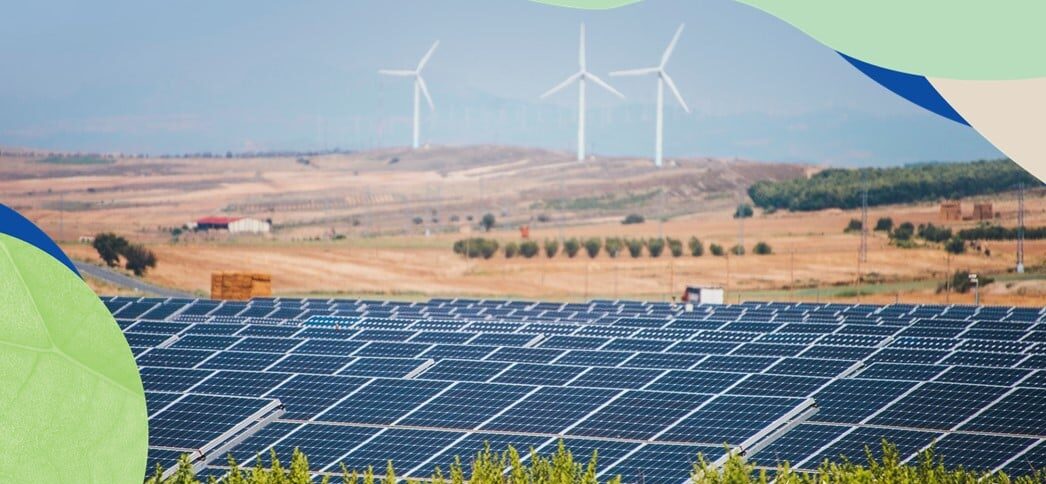
The European Union and its eurozone are still paying the price for a production system that relies too heavily on traditional energy sources. “Geoeconomic shocks have major effects on prices and the economy. And our dependency on fossil fuels multiplies these effects,” Cipollone said. “The current energy crisis thus underscores the pressing need to further reduce our reliance on fossil fuels.” This is also because, he warns, “Europe could start running out of jet fuel and kerosene reserves by the end of May, potentially leading to material restrictions on the activity of several industries akin to those seen during the COVID-19 pandemic.”
So, let’s press ahead with the Green Deal, because what is happening in the wake of the tensions in the Strait of Hormuz is unsustainable, as the Italian member of the ECB points out. “The net decline in supply is estimated at around 12 million barrels per day, representing about 11 per cent of the prewar global oil supply,” Cipollone points out. This is “Even after accounting for mitigating measures, such as the rerouting of oil flows through pipelines and the release of strategic reserves.” Measures that have therefore only worked in part, proving insufficient but useful in conveying the idea of a truly complex situation, because “restoring supply after the war will take time, given the damage to major oil facilities.”
Less consumption and less investment
The direct economic consequences point to lower growth. Cipollone warns that “by pushing up consumer prices and exacerbating uncertainty, the shock is likely to reduce real incomes and hurt domestic demand, which had been the motor engine for the euro area economy in recent quarters.” This means lower consumption. But that is not all: “empirical evidence suggests that the shock will weigh on business investment, with European firms significantly cutting capital and R&D expenditure in the wake of an oil shock, unlike their US counterparts.” The private sector will not invest, and therefore, the European competitiveness agenda risks being affected.
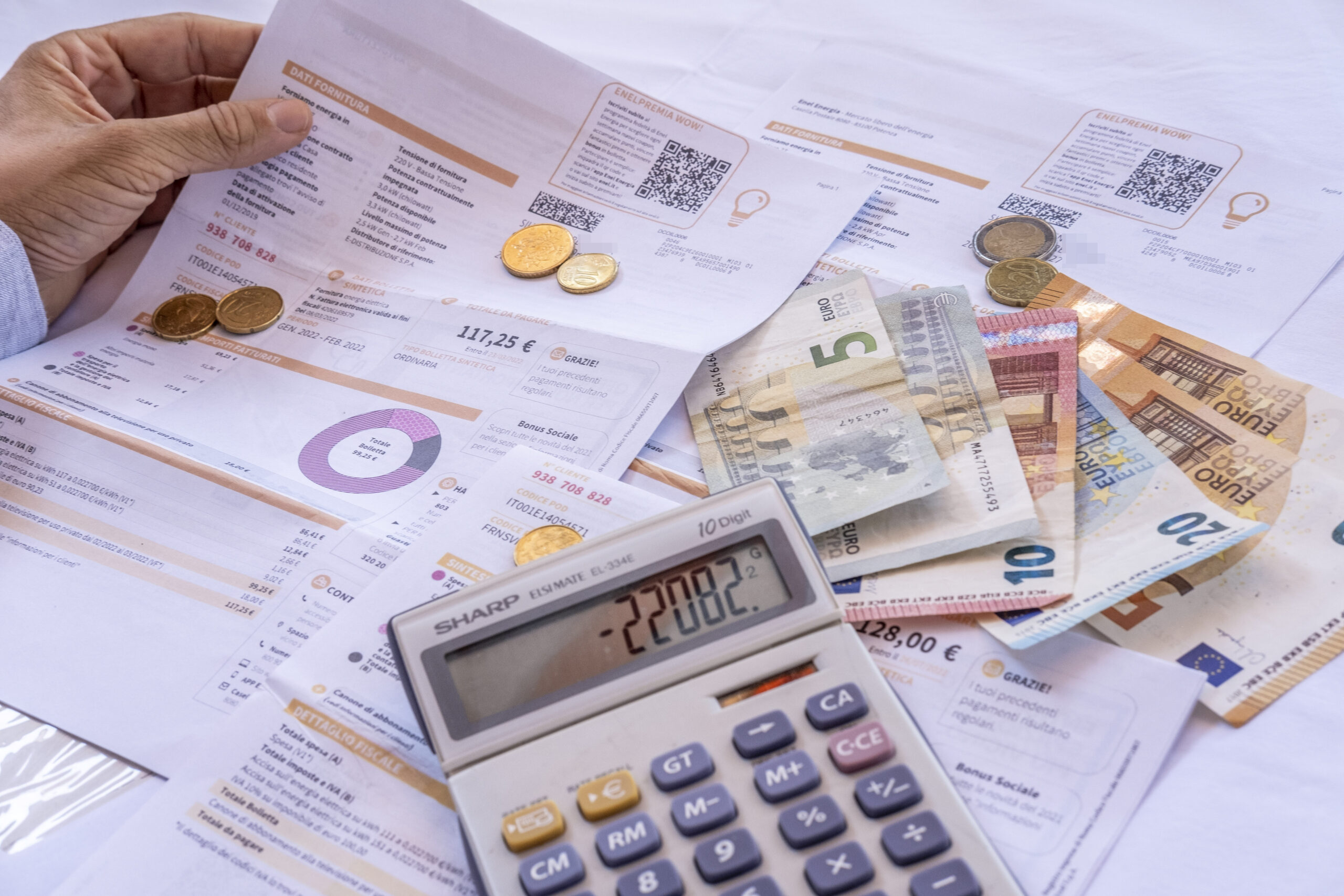
The impact on economic activity could be compounded by an endogenous tightening of lending conditions, driven by banks’ growing concerns about the economic risks their customers face. “Credit standards for loans to firms have already tightened in the first quarter, according to our latest bank lending survey,” Cipollone warned. This is despite the ECB’s deliberate pause on interest rates. The European Central Bank has not raised the cost of borrowing, but individual credit institutions have introduced lending restrictions.
ECB ready to raise interest rates
The situation is already far from ideal, and it could even worsen in the future, as the European Central Bank appears genuinely intent on proceeding with further interest rate rises. “The current situation seems to be drifting away from our March baseline projections, which increases the likelihood that we may need to adjust our policy rates,” Cipollone told the audience in Milan. This is nothing new; it has already been hinted that June will be the moment of truth, but reiterating the point seems intended to prepare households and businesses for the rise in loan and mortgage costs.
English version by the Translation Service of Withub

![[Copyright: European Union]](https://www.eunews.it/wp-content/uploads/2026/10/euco-261015-120x86.png)