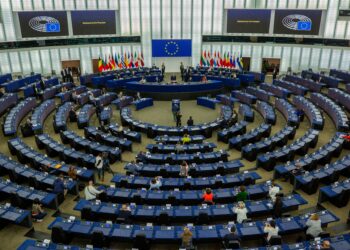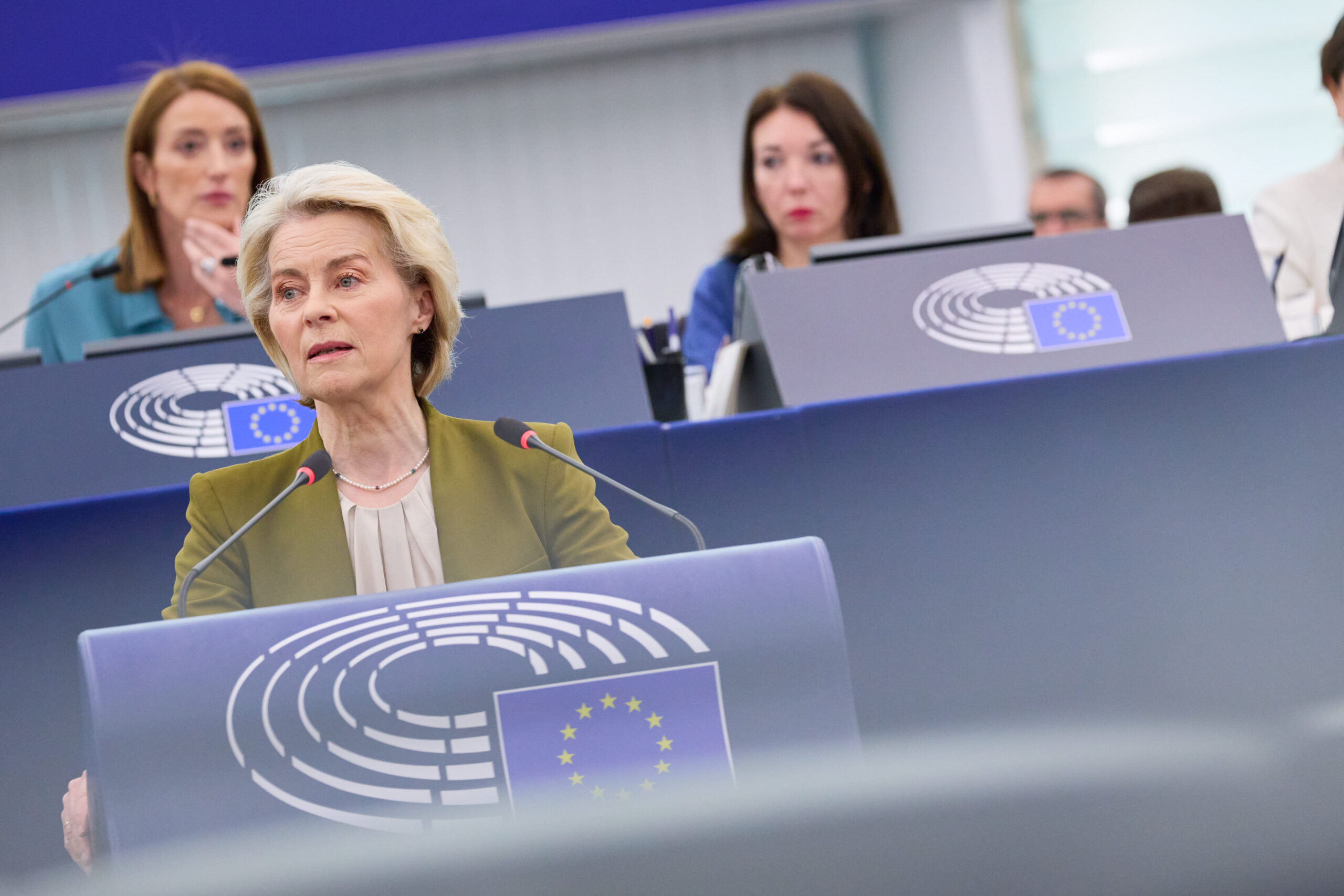
Brussels – The cost of energy instability and conflicts is taking a heavy toll on the European Union. During the debate in the European Parliament on the crisis in the Middle East and rising prices, EU Commission President Ursula von der Leyen outlined the current financial situation: “In just 60 days of conflict, our bill for fossil fuel imports has risen by over €27 billion, without a single additional molecule of energy.” The resulting calculation is a daily drain on European coffers, since, as the President strongly emphasised, “we are losing almost €500 million a day.”
For Brussels, this financial drain serves as confirmation that “we simply cannot be overly dependent on imported energy” in a world the head of the European Commission herself describes as “turbulent”. Von der Leyen’s solution to stem this outflow of money is to electrify the continent. “Now is the time to electrify Europe,” she declared, explaining that the aim is “to reduce our excessive dependence on imported fossil fuels and boost our supply of clean energy, domestically produced and affordable.”
Von der Leyen reiterated that the objective in the Middle East is a lasting peace that includes “the restoration of full and permanent freedom of navigation in the Strait of Hormuz without tolls.” The lesson learnt from these months of crisis is that European security is “intrinsically linked” to that of the region.
Finally, the issue of costs shifts to the Union’s future budget. Von der Leyen was clear in setting out the equation: without new own resources, the choice will be between “higher national contributions or reduced spending capacity.” For the President, the choice is clear: “In other words, less Europe precisely where Europe needs to do more.” Her final appeal to MEPs was a call for independence and the capacity to act, because “this is the only credible way to match Europe’s priorities with Europe’s means.”
English version by the Translation Service of Withub