Brussels – Competitiveness, the housing crisis, the digital euro, and then the economic fallout from the war in Iran. There are many topics on the agenda for the European Union’s economic ministers, but the Minister for the Economy, Giancarlo Giorgetti, is particularly concerned with the last one. The Treasury Minister has arrived in Cyprus to reiterate the government’s priorities and stance, namely that “flexibility on energy is necessary to support households and businesses.” Giorgetti’s message is anything but new. It was the Prime Minister, Giorgia Meloni, who suggested suspending the Stability Pact rules, and it was also Meloni who asked the European Commission to accommodate Italy’s needs. Giorgetti is simply acting as a “spokesperson” for these demands today (22 May).
“We have put forward a proposal. We believe this proposal is entirely rational and based on common sense,” insists Giorgetti at the end of the meeting of the Eurogroup. The government is therefore not changing its mind and is standing firm. This is also because, as the Minister for the Economy explains, “there is no single solution that helps Italy; there are solutions that help all the countries of Europe in a very complicated and difficult situation.” In short, flexibility helps everyone, and that is why we continue to stand firm, because we believe we are right.”
The standoff between Rome and Brussels is therefore continuing, and will go on for some time yet because, as the Minister for the Economy points out, this delicate situation involves “processes that take a few days or a few weeks.” In the meantime, however, Italy is standing its ground and has secured a commitment from the European Commission to explore ways to accommodate its requests.
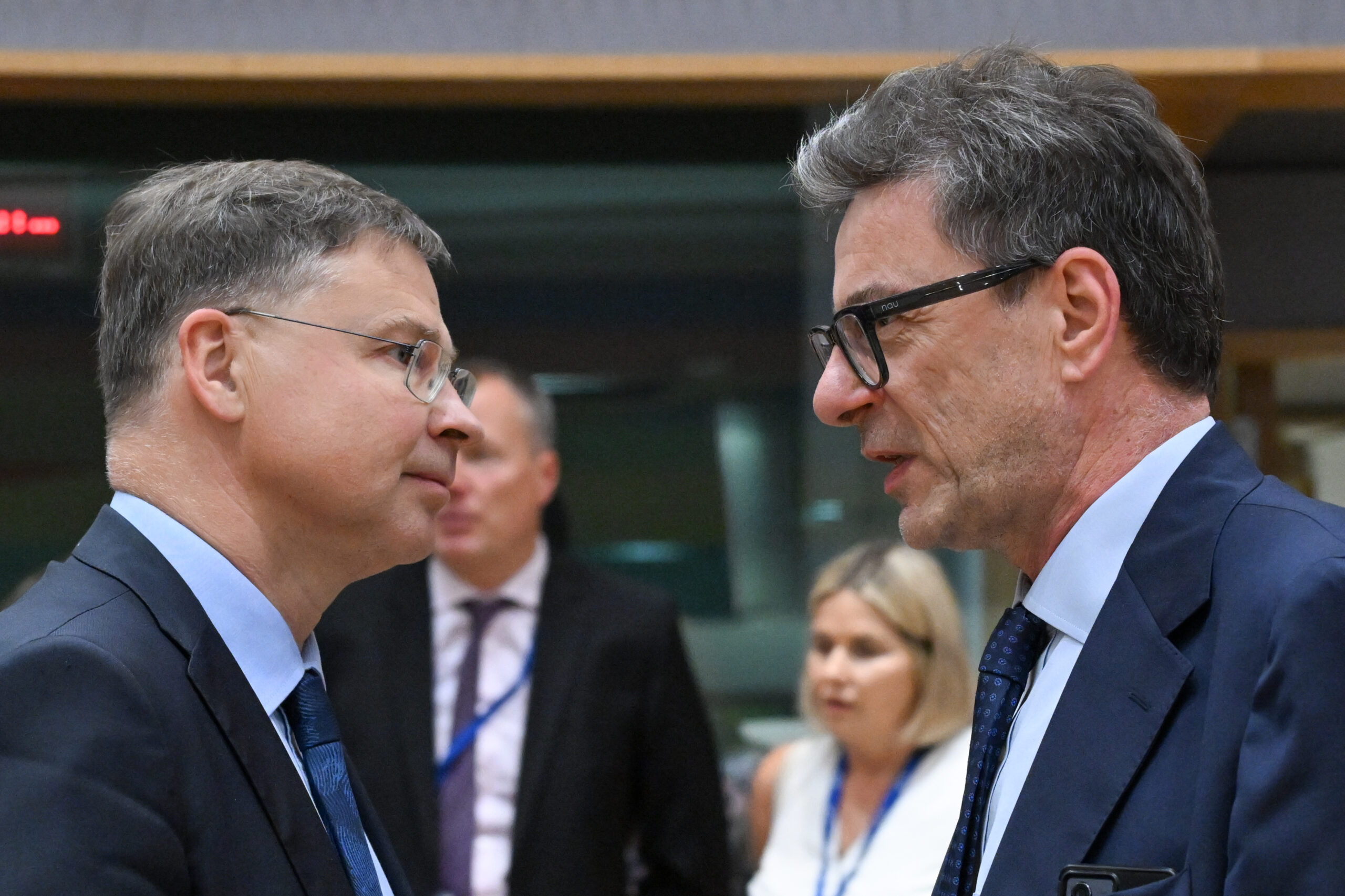
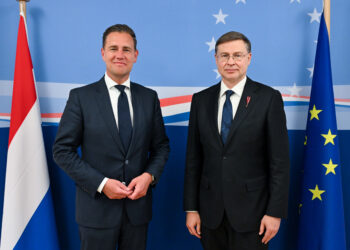
“We are assessing the possible options, including the forms of flexibility provided for under the current rules,” assured the Commissioner for the Economy, Valdis Dombrovskis, during the press conference following the Eurogroup meeting. He confirmed that Giorgetti had raised the issue and that, when it comes to spending flexibility, Italy is requesting it “more consistently” than other Member States. But Dombrovskis wants to be clear about the concessions he is making to the country: we should not expect too much. “The responses must be targeted, not stimulus-based,” he clarified.
In this exchange, still at a preliminary stage, Giorgetti offers suggestions that appear to contradict Meloni, pointing out that “there are other solutions” besides suspending the rules. “There is the National Recovery and Resilience Plan (NRRP), and you know that by the end of May there will be a further revision on which the relevant departments are currently working,” he explains, suggesting that the government is ready to make use of the resources still available, which is in line with the guidance already provided to Rome on the €95 billion in EU funds that have not yet been committed.
In short, Italy is working to find a solution, and there is confidence that it will ultimately succeed.
But we’ll have to wait and see, as the tug-of-war will continue.
Giorgetti’s visit to Cyprus is just one of many upcoming engagements.
English version by the Translation Service of Withub
![Il ministro dell'Economia, Giancarlo Giorgetti (destra), con il commissario per l'Econonia, Valdis Dombrovskis [Bruxelles, 9 marzo 2026. Foto: European Council]](https://www.eunews.it/wp-content/uploads/2026/03/giorgetti-dombrovskis-350x250.jpg)