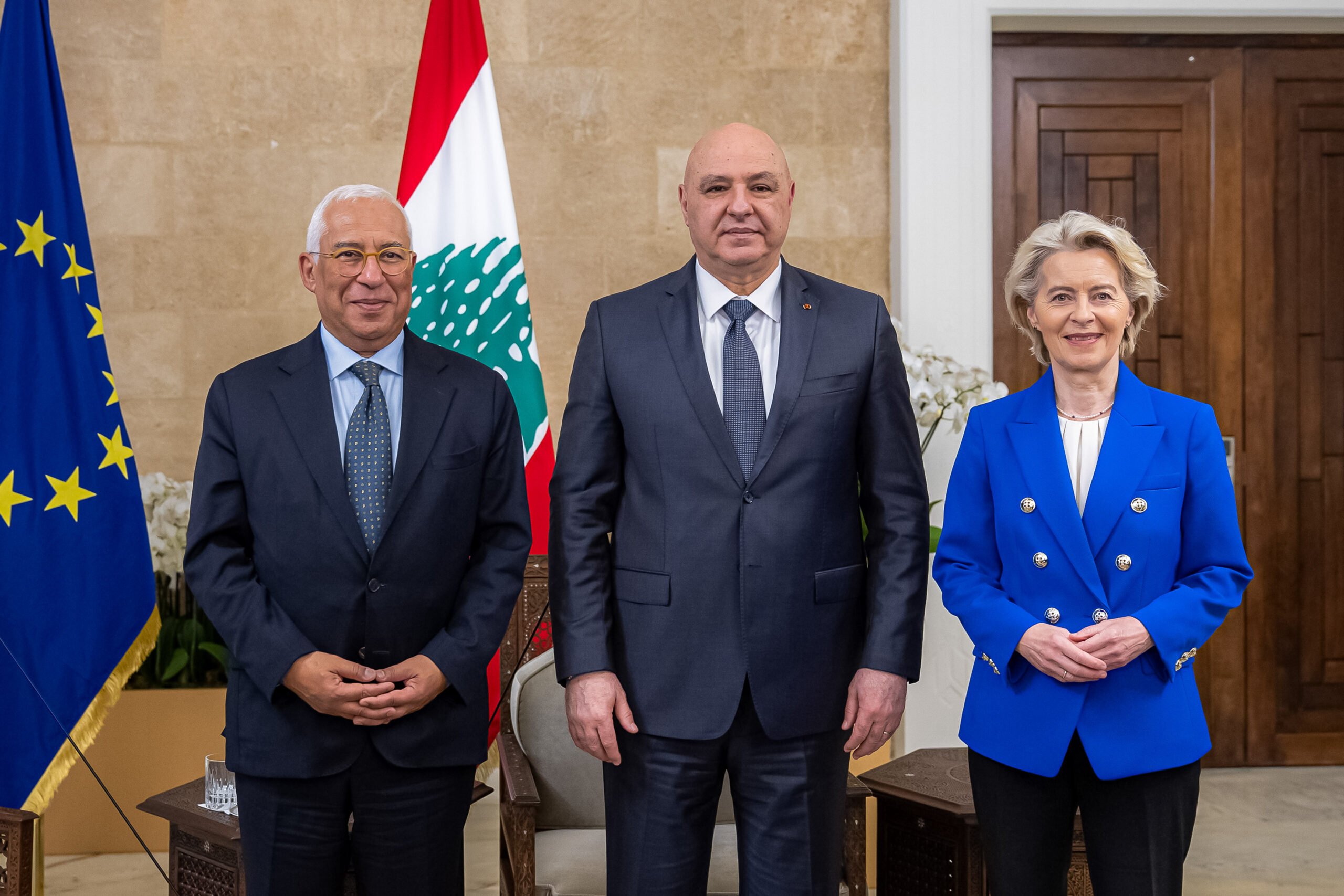
Brussels – Just a few hours after the Announcement of a new (and fragile) ceasefire between Israel and Lebanon, the European Union is stepping up its efforts to stabilise the situation on the ground. This morning (4 June), the EU Council has given the green light to the disbursement of the fourth tranche of aid amounting to €100 million to strengthen the defensive capabilities of the Lebanese Armed Forces. The decision was taken within the framework of the European Peace Facility (EPF), the fund of approximately €17 billion established by the EU in 2021 to finance its common foreign and security policy activities.
Under the EPF rules, part of the funding may be allocated to partners in third countries for the purposes of conflict prevention, peacekeeping, and strengthening international stability. The regular army in Beirut had already received European funding in 2022, 2024, and 2025, but the contribution decided today is by far the most significant: on previous occasions, €6.16 million and €60 million had been disbursed.
From a technical perspective, today’s aid package aims to strengthen the capabilities of the Lebanese Armed Forces in five key areas: territorial control, multi-front monitoring capabilities, maritime security, protection of strategic military infrastructure, and healthcare.
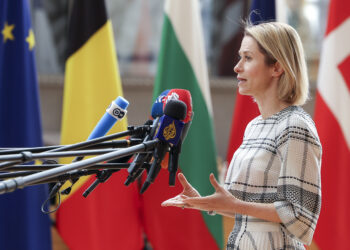
Welcoming the Council’s decision, the EU High Representative for Foreign Affairs, Kaja Kallas, explained that “this new package will significantly strengthen the EU’s support for the Lebanese Armed Forces.” Highlighting the “fragile opportunity” presented by the new ceasefire between Tel Aviv and Beirut, Kallas added that “the aim is to help the Lebanese state strengthen its control over the territory and its monopoly on the use of force, reducing the power of non-state armed groups such as Hezbollah.”
Once again, therefore, the EU’s foreign policy chief has chosen to focus solely on one of the two threats to peace and security in Lebanon: that posed by the Shia paramilitary organisation active mainly in the southern regions of the country. Not a word, however, on Israel and its military action in the Land of the Cedars.
The report notes that the obstacles to Lebanon’s stabilisation stem from both sides: on the one hand, the broadcaster Sky News reported a statement by Hezbollah in which the group has rejected the ceasefire agreed last night; on the other, several Lebanese media outlets have reported on repeated Israeli attacks in southern Lebanon this morning.
English version by the Translation Service of Withub![Teheran, Iran [Foto: Unsplash]](https://www.eunews.it/wp-content/uploads/2026/05/hosein-charbaghi-ZDevjvTHOe0-unsplash-350x250.jpg)