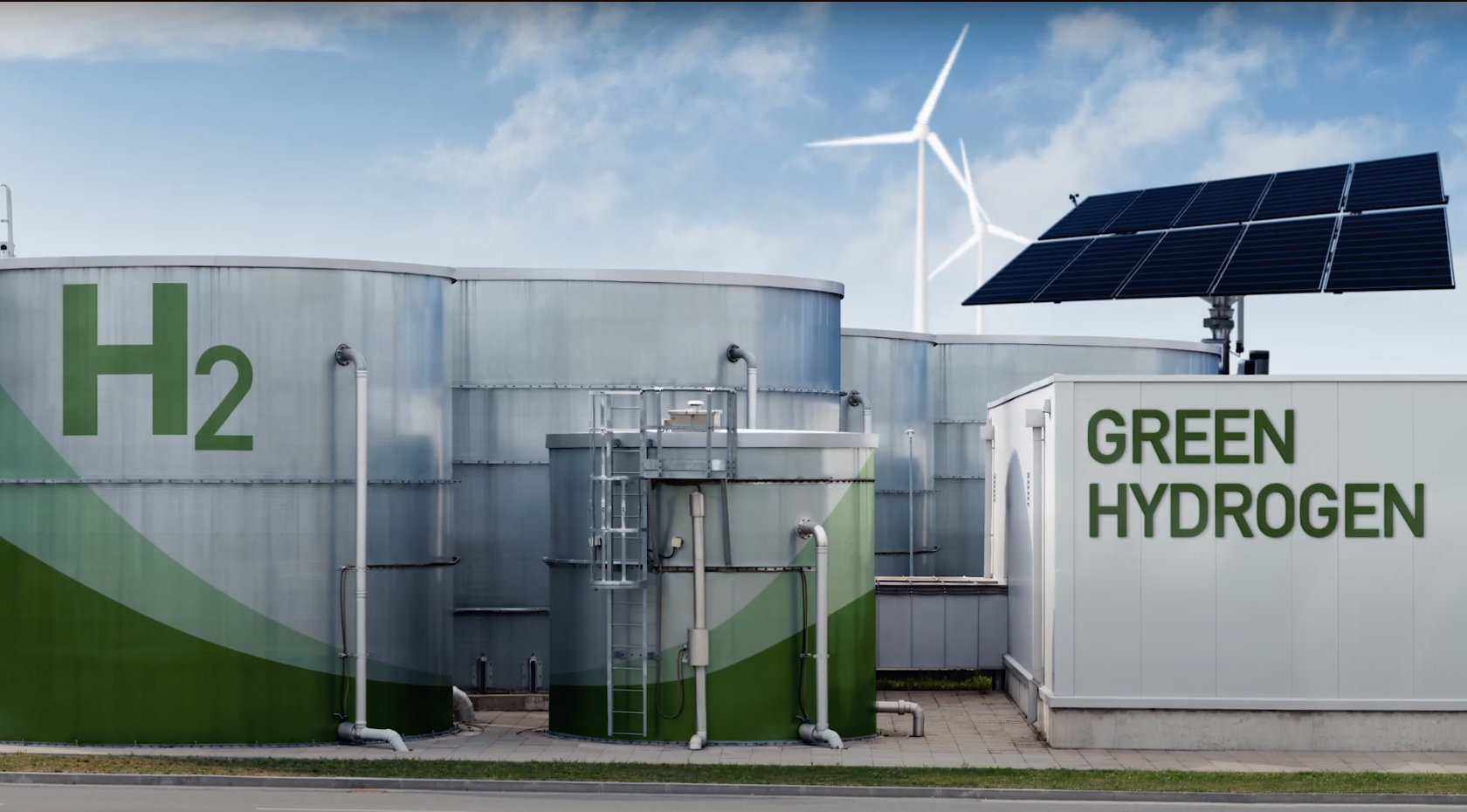

Brussels – The European Commission has given the green light to 6 billion euros in Italian state aid for the production of renewable hydrogen in the transport and industrial sectors . According to Teresa Ribera , Executive Vice-President of the European Commission for a Clean, Fair and Competitive Transition, “this scheme will support the production of renewable hydrogen in Italy for sectors where it can contribute the most to reducing emissions.” In line with the objectives of the EU Hydrogen Strategy and the Clean Industrial Deal, “the scheme will contribute to the clean, just and competitive transition.”
Italy notified Brussels of a programme to support the production of 200,000 tonnes of renewable hydrogen per year. The scope of the measure, which will remain in force until 31 December 2029, covers both hydrogen produced via electrolysis powered by electricity from renewable energy sources and hydrogen produced from biogenic sources through biological, bio-thermochemical, and thermochemical processes. “The aid will take the form of two-way contracts for difference,” under which “a strike price for hydrogen will be determined through a competitive bidding process. If the price of an alternative fuel that would be used by the hydrogen consumers falls below that strike price, Italy will pay hydrogen producers the difference. If the price of the counterfactual fuel exceeds the strike price, the beneficiaries will pay the difference to the Italian state,” the EU executive states.
The Commission has assessed the scheme under EU state aid rules and found that ” the aid is necessary and appropriate to facilitate the production of renewable hydrogen for the decarbonisation of the transport and industrial sectors,” and that “an incentive effect as beneficiaries would not produce renewable hydrogen without the public support.” Furthermore, the support “is proportionate as it will be granted following a competitive bidding process based solely on the strike price offered by bidders,” and “will bring about positive effects, in particular on the environment, as it will contribute to the decarbonisation of sectors with high emissions.” These positive effects outweigh the negative effects on competition. Therefore, according to the Commission, the “positive effects outweigh the negative effects on competition.”
English version by the Translation Service of Withub