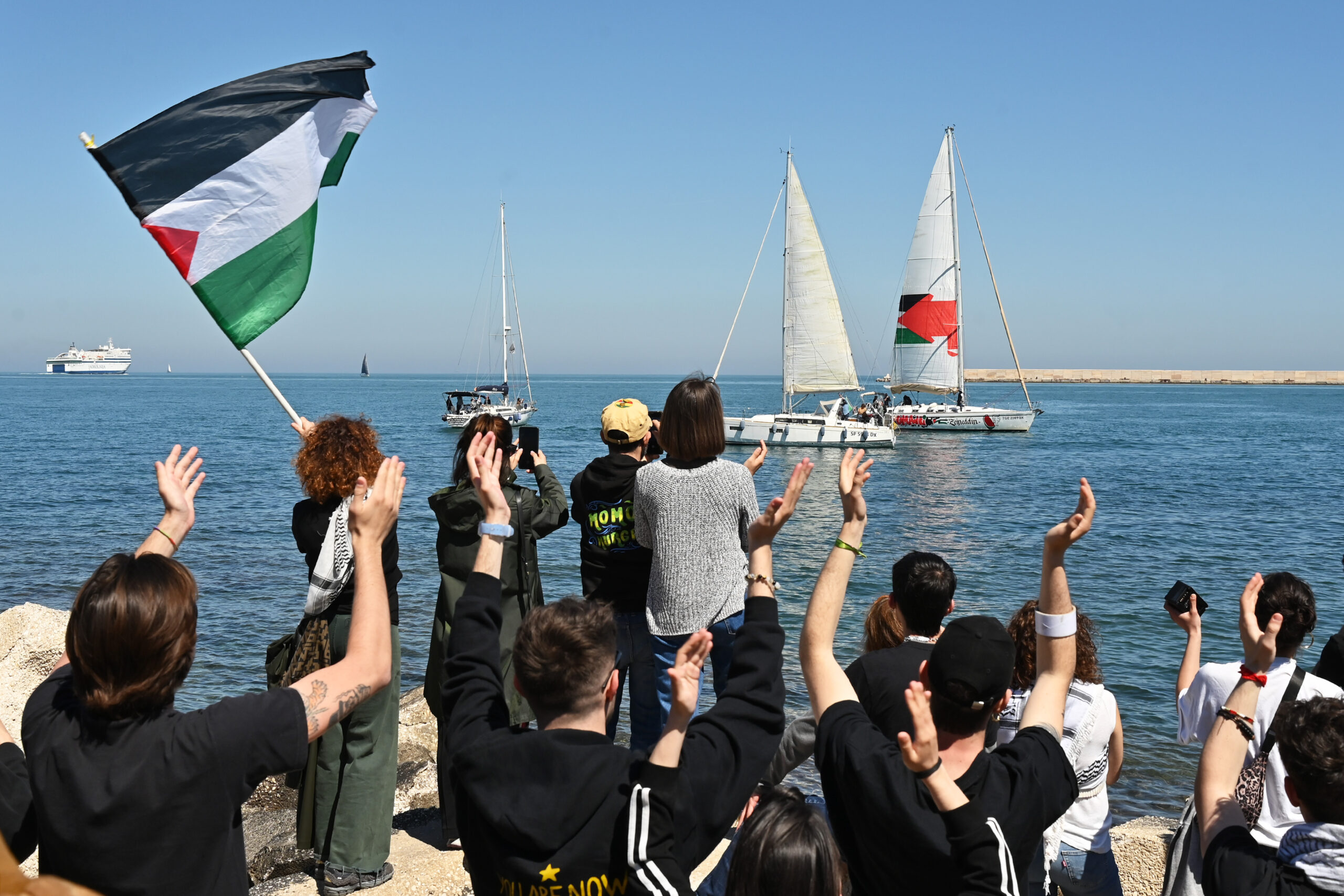
Brussels – Humanitarian aid should be delivered to the Palestinian territories via traditional channels and methods. It is with this explanation that the European Commission is urging the Global Sumud Flotilla not to travel to Israel. “We are in regular contact with Member States and Israel regarding the humanitarian situation in Gaza and are constantly calling for unhindered access to Gaza so that we can deliver our humanitarian aid. While respecting the humanitarian commitment of all those on board the flotilla, we advise against carrying out this type of delivery as it puts the safety of participants at risk,” states Eva Hrncirova, the EU Commission’s spokesperson on humanitarian affairs, thus warning of the danger that could arise from Israel’s response to the expedition. “In the EU, of course, we have the right to engage in such activism and enjoy freedom of assembly. Furthermore, international law regarding navigation in international waters must be respected, and these are the fundamental rules that apply to flotillas in general,” adds Hrncirova.
The European Commission recognises the humanitarian nature of the Global Sumud Flotilla initiative, points out that there are no bans on activism, but prefers more institutional channels for aid activities. “We support the provision of humanitarian aid in accordance with sound principles,” reiterates the spokesperson for the EU executive, noting that the EU “works with international partners” in this regard, starting with the United Nations Relief and Works Agency for Palestine Refugees (UNRWA), the World Health Organisation (WHO) and the International Red Cross. In short, the international humanitarian initiative led by civil society does not reflect the established institutional channels which, for the Commission, represent the only valid means of delivering humanitarian aid to the Palestinian territories.
But apart from discouraging the Flotilla from carrying out its plans and setting course for the Gaza coast, Brussels has no message for the Israeli government. This stance is striking because, without criticising the Jewish state, one ends up legitimising the naval blockades imposed by the Tel Aviv government, complete with calls not to attempt to breach them. When asked specifically whether there are things the EU is asking Israel not to do regarding the Flotilla, the deputy chief spokesperson, Olof Gill, cuts the question short: “We have nothing further to say on the matter.”
The issue of aid from the Global Sumud Flotilla is not new, with the European Commission having already shirked its responsibilities in the past, leaving it up to the Member States to manage demonstrations and relations with Israel, which has already intercepted humanitarian naval convoys in international waters. This is another reason why proceeding with the new convoy is not recommended.
English version by the Translation Service of Withub