
Brussels – What is the impact of the European energy transition on local communities in third countries? How and where do the EU’s climate policies intersect with development dynamics in low- and middle-income countries? How can the search for critical raw materials essential for the decarbonisation of Europe be reconciled with the sustainable development of other parts of the world? These are some of the questions that a study commissioned by the Development Committee (DEVE) of the European Parliament, which presents four case studies (two on critical raw materials, one on green hydrogen, and another on the use of international carbon credits within the EU’s new 2040 climate target) to explore the socio-environmental, socio-economic, and socio-political dimensions of the various strategies, initiatives, and policies put in place by Brussels to support the energy transition and considered beneficial for both the EU and third countries.
Through an “increasingly strategic” approach, the EU seeks to balance its need for resource supply with the responsibility to promote a transition that is just, circular and resilient on a global scale. This commitment manifests itself in energy diplomacy that promotes large-scale projects, such as the extraction of critical raw materials and the production of renewable energy, presenting them as mutually beneficial initiatives. However, analysis of the reality on the ground reveals a complexity that goes beyond immediate economic benefits, highlighting social and environmental impacts that often weigh heavily on the most vulnerable populations. While, on the one hand, these interventions may “stimulate infrastructure growth and job creation,” on the other, they risk “triggering displacement, conflicts over resource use and profound changes to local areas.”
At the heart of this tension lies the relationship with indigenous peoples and local communities, who are often on the front lines of the territorial changes brought about by major infrastructure projects. These communities play a fundamental ecological role, as “the protection of their land rights is directly linked to greater biodiversity and more effective carbon storage capacity,” the study states. The European Union not only faces “an ethical and regulatory obligation” to protect the rights of indigenous or local peoples, but must also consider “the financial, reputational, and environmental risks” arising from a superficial commitment. Late or inadequate engagement with local communities can lead to legal disputes, operational delays, and, in the most serious cases, violent conflicts that undermine the stability of the supply chains Europe aims to secure.
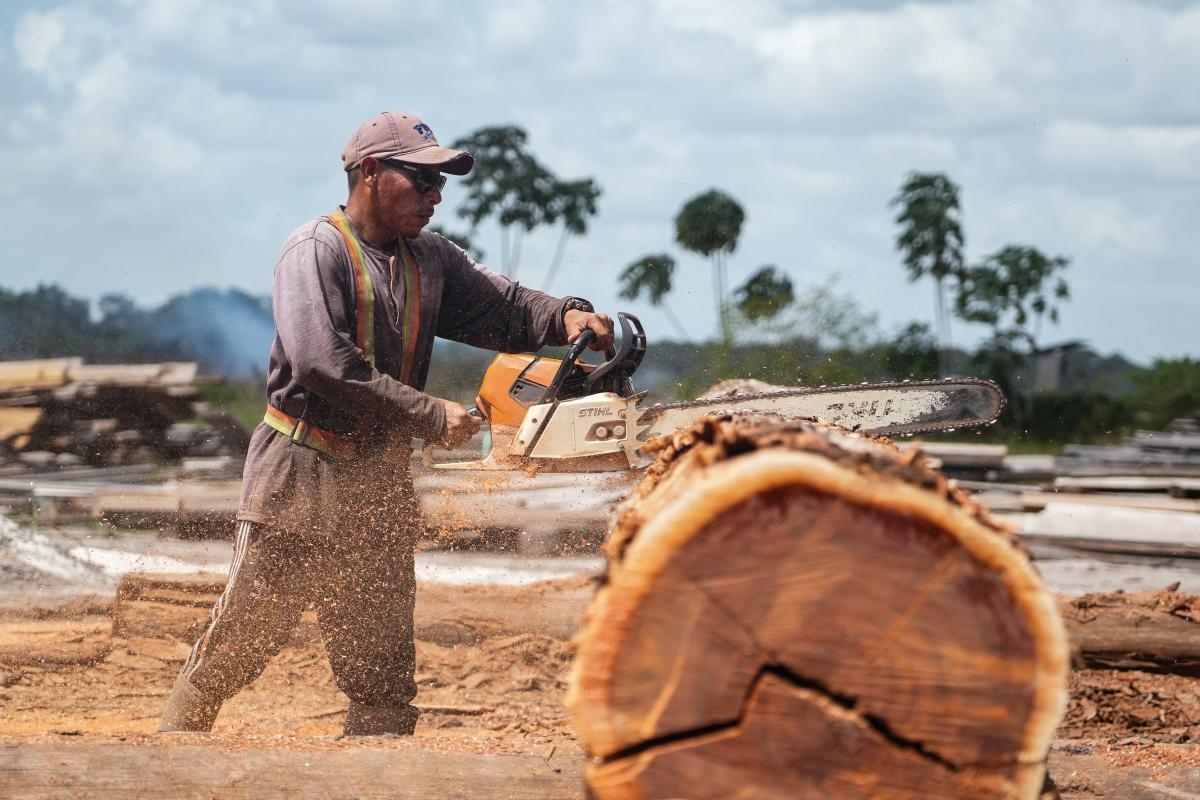
The case studies analysed highlight how these dynamics play out in different geographical and sectoral contexts. Manganese mining in South Africa and lithium mining in Bolivia are emblematic examples of the challenges linked to Europe’s dependence on critical raw materials, where the need to power electric mobility clashes with local communities’ demands for autonomy and environmental protection.
In South Africa, manganese is essential for the production of steel and electric batteries used by European industries, such as the automotive and chemical sectors. However, the complexity of supply chains makes it difficult to ensure full traceability of raw materials and to verify compliance with human rights and environmental standards in mining activities. In Bolivia, on the other hand, the focus has been primarily on establishing shared rules for more sustainable lithium extraction. The European Union has “supported initiatives with local communities and civil society organisations to define criteria for consultation, environmental monitoring, and water resource management, in an effort to prevent the rush for lithium from creating new social and ecological imbalances.”
Similarly, the Hyphen project for the production of green hydrogen in the Tsau/Khaeb National Park in Namibia and the potential use of international carbon credits within the framework of the 2040 climate targets illustrate how even the most advanced technological solutions can generate negative externalities if not embedded within an inclusive governance framework. In Namibia, the Hyphen project is also financially supported by the EU and aims to transform the country into a global hub for green hydrogen. Despite promises of investment and employment, questions remain about the initiative’s environmental impact and the extent of local communities’ genuine participation in decision-making. At the same time, the debate over international carbon credits highlights the risks of entrusting part of the European climate strategy to offsets outside the EU’s borders. Although the new regulatory framework introduces stricter criteria to prevent double-counting and protect human rights, doubts remain regarding the actual transparency and environmental integrity of these mechanisms.
While these initiatives form the cornerstones of the EU’s energy strategy, they raise questions about the actual capacity of current instruments, such as the Critical Raw Materials Act or the Global Gateway, to provide sufficient protection against overexploitation and social marginalisation.
To consolidate its position as a reliable partner and ensure the long-term success of projects, the European Union must move towards “a thorough review of its legal and operational frameworks.” This implies not only “rigorous monitoring of the financial institutions supported“, such as the European Fund for Sustainable Development Plus, but also “ongoing technical support to partner countries” so that they can develop their own management and safeguarding capacities.
“Strategic transparency” and “clear communication on funding flows and development objectives” are essential for transforming cooperation into a genuine process of shared growth. Only by making the protection of local communities’ rights a central element of its foreign energy policy can the EU ensure a transition that is not only technically effective, but also socially sustainable and politically sound.
English version by the Translation Service of Withub