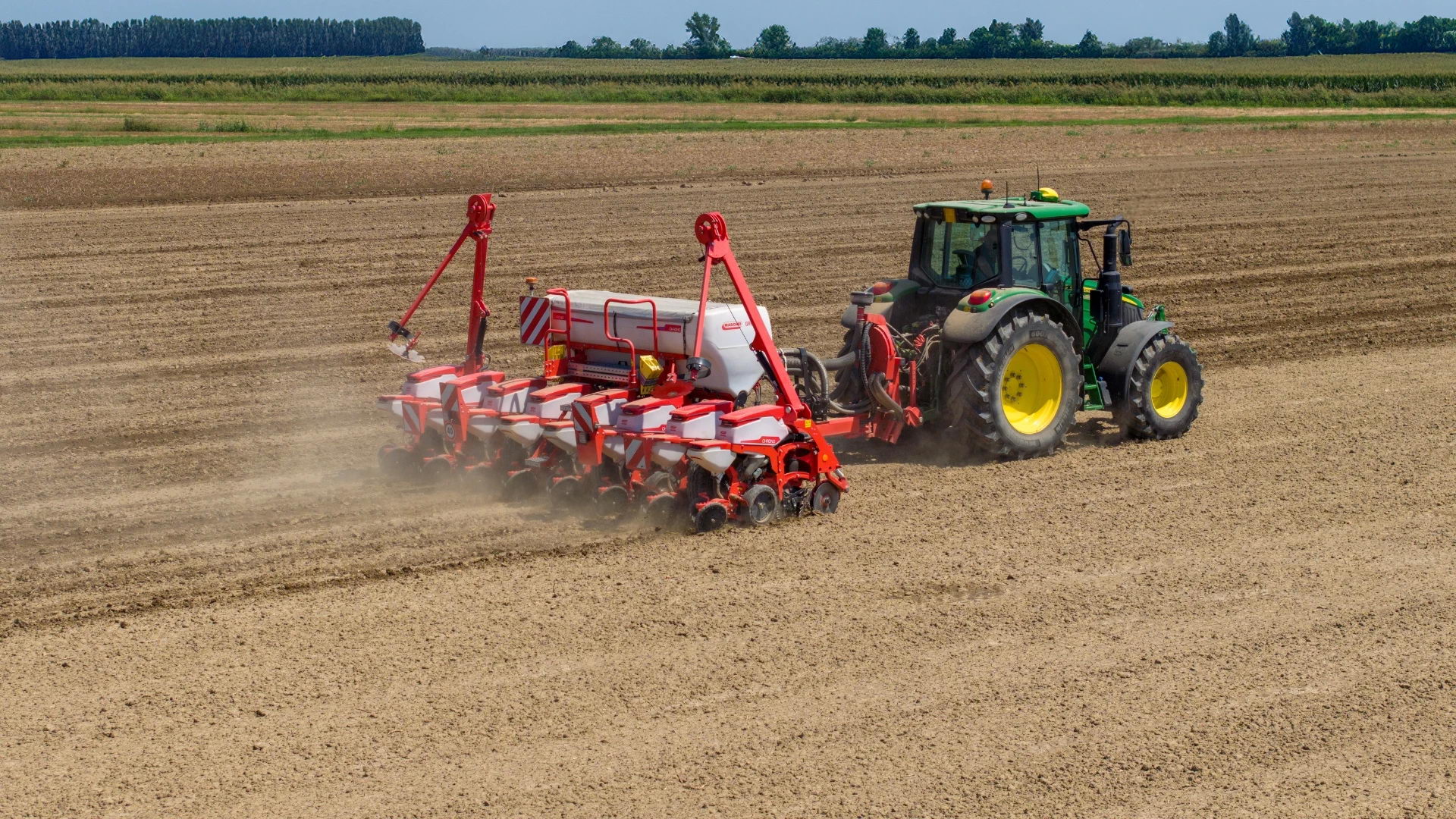

Brussels – It has finally happened: Brussels has temporarily lifted tariffs on certain fertilisers. The Council of the European Union today (22 May) formally approved the suspension of customs duties on key nitrogen-based fertilisers, including urea and ammonia, for one year. According to European Commission estimates, this measure will save farmers and the EU industry around 60 million euros in import duties. Industry figures highlight the scale of the market: in 2024, the EU imported 2 million tonnes of ammonia, 5.9 million tonnes of urea, and 6.7 million tonnes of nitrogen mixtures.
The surge in prices observed since 2021, a phenomenon that has put pressure on agricultural production and contributed to rising food costs for end consumers, made the move necessary. According to the statement released by the Council, “fertilisers are essential for European farmers who need a secure and regular trade flow at competitive prices to guarantee agricultural production and food security.” After 2021, the situation was exacerbated by the crisis in the Strait of Hormuz – through which a third of the world’s fertiliser trade passes – which, together with reduced supplies from Russia, caused prices to soar. In this context, Italy and France have led the group of countries calling for the suspension of the carbon tax (CBAM) and the elimination of import duties. Although the Commission responded with an action plan focusing on alternative solutions, such as the use of digestate and organic fertilisers, strong pressure from the agricultural sector and criticism from the European Parliament, which complained of a lack of concrete proposals, led to today’s decision.
The suspension of tariffs will not apply to products imported from Russia “due to its unprovoked and unjustified war of aggression against Ukraine,” nor to Belarus, given its support for the conflict and human rights violations. The Council’s stated aim is precisely to drastically reduce dependence on Moscow and Minsk, whilst promoting a more diversified trade network. To balance the needs of farmers with the protection of EU domestic producers, the measure sets out specific criteria: the suspension will apply only to products that do not already benefit from customs exemptions through preferential agreements, in accordance with the ‘most-favoured-nation’ (MFN) clause. Furthermore, a quantitative limit has been established: the quota for exempt goods will equal the volume of MFN imports in 2024, plus 20 per cent of the volumes imported from Russia and Belarus in the same year.
The measure will therefore enter into force the day following its publication in the Official Journal of the EU. From that point onwards, the Commission will be responsible for continuously monitoring developments in the fertiliser market and, if necessary, propose the extension or the modification of the suspension after the first year.
English version by the Translation Service of Withub
![Fertilizzanti [foto: imagoeconomica, via Fomet spa]](https://www.eunews.it/wp-content/uploads/2026/05/Imagoeconomica_2404695-350x250.jpg)