- Europe, like you've never read before -
Thursday, 11 June 2026
No Result
View All Result
  • it ITA
  • en ENG
Eunews
  • Politics
  • World
  • Business
  • News
  • Defence
  • Health
  • Agrifood
  • Other sections
    • Culture
    • Diritti
    • Energy
    • Green Economy
    • Finance & Insurance
    • Industry & Markets
    • Media
    • Mobility & Logistics
    • Net & Tech
    • Sports
  • Newsletter
  • European 2024
    Eunews
    • Politics
    • World
    • Business
    • News
    • Defence
    • Health
    • Agrifood
    • Other sections
      • Culture
      • Diritti
      • Energy
      • Green Economy
      • Finance & Insurance
      • Industry & Markets
      • Media
      • Mobility & Logistics
      • Net & Tech
      • Sports
    No Result
    View All Result
    Eunews
    No Result
    View All Result

    Home » Health » WHO against nicotine pouches: “A new global threat.” Clash over harm reduction

    WHO against nicotine pouches: “A new global threat.” Clash over harm reduction

    Some experts argue that “if it is implied that pouches are almost as dangerous as smoking, smokers might be put off switching and continue to smoke cigarettes instead.” The organisation Contre Feu, however, maintains that “these products are clearly marketed towards young people and are not designed to help people quit smoking”

    Annachiara Magenta</a> <a class="social twitter" href="https://twitter.com/annacmag" target="_blank">annacmag</a> by Annachiara Magenta annacmag
    22 May 2026
    in Health
    Photo de Rob Warnersur Unsplash

    Photo de Rob Warnersur Unsplash

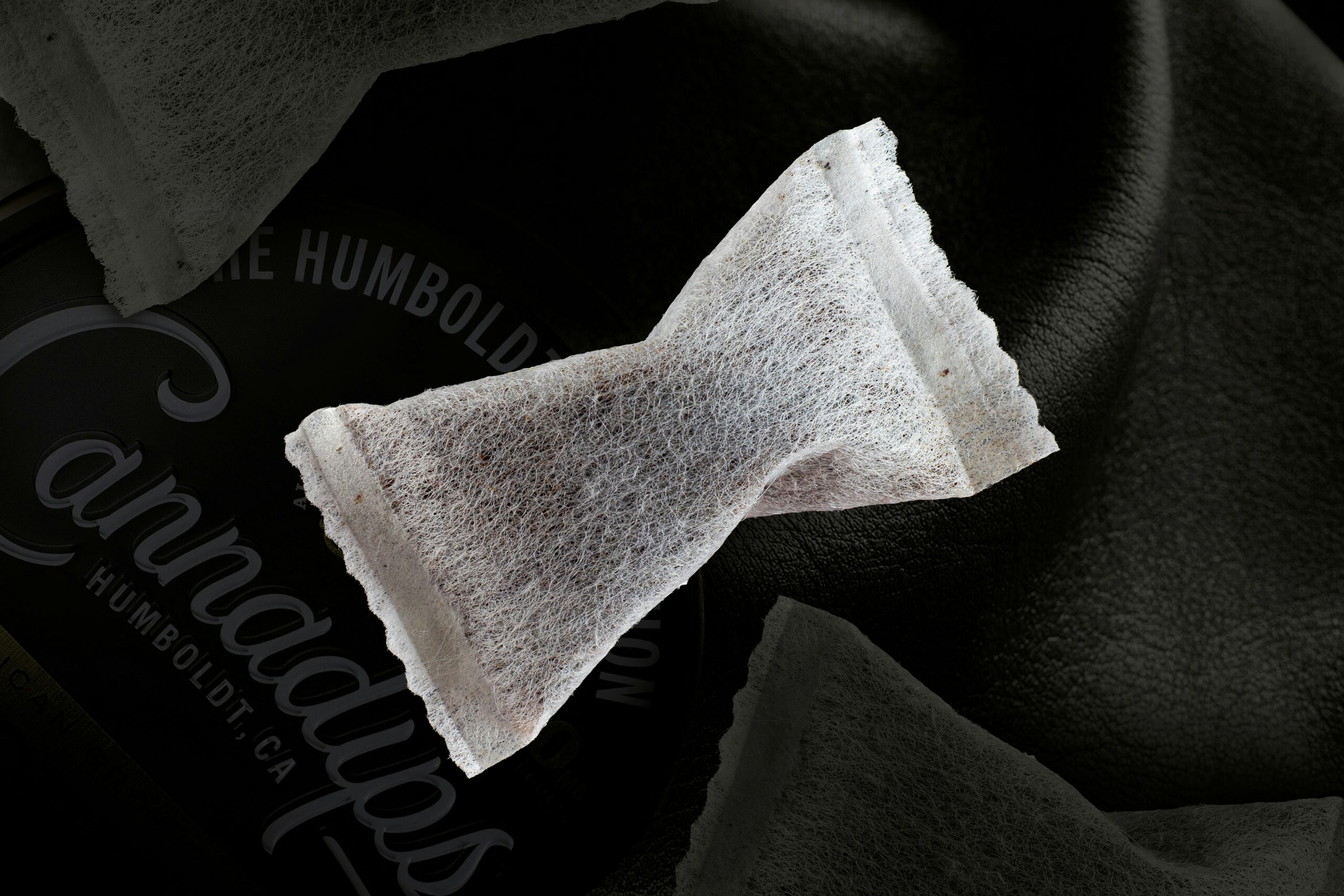
    Brussels – Another day, another attack on alternatives to cigarettes. This time, the alarm has been raised by the World Health Organisation (WHO), which, in its new 156-page report, points the finger at nicotine pouches, which are now widespread in Sweden and rapidly expanding across Europe. The document, published ahead of World No Tobacco Day on 31 May, describes these products as a growing threat to public health, accusing the industry of using flavours, branding and marketing strategies to attract young people in particular. But the report has already sparked a fierce clash between harm reduction advocates and the prohibitionist camp.

    According to the WHO, “several countries have sought guidance on how to regulate these products.” The report highlights that “outside the United States, nicotine pouches are most prevalent in European countries such as Germany, Poland, and Sweden.” Sweden, in particular, is cited as one of the world’s main hubs for these products, with nicotine levels often higher than in other European markets. Meanwhile, the figures continue to rise. According to Euromonitor, global sales of nicotine pouches exceeded 23.46 billion units in 2024, representing a 50.5 per cent increase on the previous year. Europe is now the hub of growth for the sector.

    But it is over the report’s policy and health conclusions that the real battle is being fought. Among those criticising the WHO is
    Brad Rodu

    , a professor and long-standing advocate of tobacco harm reduction, who argues that the organisation is pursuing an ideological rather than a scientific agenda. “It is truly frustrating that the WHO, despite having such influence in so many countries, is effectively blocking safer and more satisfying alternatives to cigarettes, denying smokers options that could extend their lives.” According to the American professor, the idea of increasing and standardising taxation on all nicotine-containing products, a proposal discussed in Brussels as part of the review of the European tobacco directives, “would discourage any switch to alternative products because, if they were the same price, I would have one less reason to switch.” He adds: “Uniform taxation will be very harmful”.

    A similar view is taken by Karl Erik Lund, a senior researcher at the Norwegian Institute of Public Health, who accuses the WHO of ignoring the principle of harm reduction and treating all nicotine products as if they carried the same risks as combustible cigarettes. “My main criticism of the WHO’s approach is that it is perceived as too hostile towards reduced-risk nicotine alternatives,” says Lund. “The WHO tends to treat all nicotine-containing products too similarly, even when the risks differ substantially from those of cigarettes,” he adds. The Norwegian researcher points out that around 700,000 European citizens die each year from smoking and describes the 1992 European ban on snus as “a serious public health mistake.” Furthermore, “Sweden has the lowest smoking rates in the EU,” notes Lund, who emphasises that “the big difference is that in Sweden, nicotine is consumed in a much safer, non-combustible form.” According to Lund, the WHO is also making a very dangerous communication error: “If public communication suggests that pouches are almost as dangerous as smoking, smokers might avoid switching and continue smoking cigarettes instead.” The researcher then directly criticises the organisation’s strategy: “In my view, it seems the WHO has gone too far with extreme misinformation to be able to make a dignified U-turn.”

    The WHO report devotes considerable attention to the risk of nicotine pouches becoming widespread among young people, particularly through sweet flavours, colourful packaging, and social media campaigns. This approach has the full support of the French association
    Contre Feu

    . “These products are clearly marketed towards young people and are not designed to help people quit smoking,” argues the organisation, which supports the French ban on nicotine pouches that came into force on 1 April. According to Contre Feu, nicotine “is neither a harmless substance nor a performance enhancer,” but an addictive substance that “can exacerbate anxiety, increase depressive symptoms, and negatively affect cognitive development.” The French association also rejects the narrative that Sweden’s success in combating smoking is linked to smoke-free alternatives: “There is no evidence that these products reduce the prevalence of smoking and they may even increase the risk of initiation or dual use.”

    English version by the Translation Service of Withub

    Tags: healthnicotine pouchesomsorganizzazione mondiale della sanitàue

    Related Posts

    SANT - Structured dialogue with Olivér Várhelyi, Commissioner for Health and Animal Welfare
    Health

    Várhelyi cornered by MEPs on EU budget and tobacco rules

    11 May 2026
    Erin Roman, Smoke Free Partnership, tabacco
    Health

    Smoke Free Partnership welcomes EU tobacco legislation renewal, urges attention for young people

    30 April 2026
    Christos Harpantidis - Delphi Economic Forum - tabacco - Philip Morris International
    Health

    Tobacco: Philip Morris accepts EU regulations but urges “common sense”

    27 April 2026
    Tabacco, mercato illecito, Parlamento europeo
    General News

    Clash in the European Parliament over the illicit tobacco market: a real problem or an overreaction?

    16 April 2026
    Nicotine Pouches
    Health

    Swedish nicotine pouches reignite EU row over taxation and the free movement of goods

    13 April 2026
    map visualization
    tabacco

    Criticism of the EU Commission over the public consultation on tobacco: “Impossible by design”

    by Annachiara Magenta annacmag
    11 June 2026

    The other accusation levelled by ETHRA is that tobacco groups are manipulating the consultation process by using artificial intelligence. This...

    Marilena Raouna, viceministra per gli Affari europei di Cipro, 11 giugno 2026. Source: EU Council

    The Cypriot Presidency of the Council of the EU has cut the proposed budget for 2028–2034 by almost €33 billion

    by Giulia Torbidoni
    11 June 2026

    Cyprus’s Deputy Minister for European Affairs, Marilena Raouna: “We have listened closely to the countries calling for greater ambition and,...

    Soccorsi della nave Geo Barents di Medici Senza Frontiere. Crediti: Mohamad Cheblak via Imagoeconomica

    The Migration and Asylum Pact comes into force. Strada (S&D): “Welcome to the EU’s Minneapolis”

    by Iolanda Cuomo
    11 June 2026

    According to the MEP, the EU has “traded the right-wing’s dream of a European fortress for the dismantling of the...

    Screenshot

    Pierrakakis changes tack: “Yes to fiscal flexibility to tackle the energy crisis”

    by Giorgio Dell'Omodarme
    11 June 2026

    In response to the Commission’s recent proposal to extend the national defence safeguard clause to the energy sector, the President...

    • Director’s Point of View
    • Opinions
    • About us
    • Contacts
    • Privacy Policy
    • Cookie policy

    Eunews is a registered newspaper
    Press Register of the Court of Turin n° 27


    Copyright © 2025 - WITHUB S.p.a., Via Rubens 19 - 20148 Milan
    VAT number: 10067080969 - ROC registration number n.30628
    Fully paid-up share capital 50.000,00€


    No Result
    View All Result
    • it ITA
    • en ENG
    • Politics
    • Newsletter
    • World politics
    • Business
    • General News
    • Defence & Security
    • Health
    • Agrifood
    • Altre sezioni
      • Culture
      • Diritti
      • Energy
      • Green Economy
      • Gallery
      • Finance & Insurance
      • Industry & Markets
      • Media
      • Mobility & Logistics
      • Net & Tech
      • News
      • Opinions
      • Sports
    • Director’s Point of View
    • Draghi Report
    • Eunews Newsletter

    No Result
    View All Result
    • it ITA
    • en ENG
    • Politics
    • Newsletter
    • World politics
    • Business
    • General News
    • Defence & Security
    • Health
    • Agrifood
    • Altre sezioni
      • Culture
      • Diritti
      • Energy
      • Green Economy
      • Gallery
      • Finance & Insurance
      • Industry & Markets
      • Media
      • Mobility & Logistics
      • Net & Tech
      • News
      • Opinions
      • Sports
    • Director’s Point of View
    • Draghi Report
    • Eunews Newsletter

    Attention