
Brussels – “When it comes to humanitarian diplomacy, I think it is important to maintain an open channel of communication with all parties.” This was clarified by the European Commissioner for Crisis Preparedness and Management, Hadja Lahbib, regarding the European Commission’s invitation to Taliban officials to hold talks on the repatriation of Afghan migrants to the EU. Thus, the EU executive wishes to maintain open channels even with entities it does not recognise as legitimate, such as the Taliban. “We have a delicate situation in Kabul. We are still active, providing support and humanitarian aid to women, and it is important to remain engaged in that region. Let us not forget that 9/11 began there. It is important that there is a point of reference where radicalisation is a danger, a real threat,” she explains.
Confirmation that the letter had been sent to the de facto authorities in Afghanistan had arrived a few days earlier (12 May), from the spokesperson for Home Affairs, Markus Lammert, during the usual midday press briefing at the Berlaymont Building of the European Commission. “The DG Home Affairs of the European Commission, together with the Swedish Ministry of Justice, has sent a letter to the de facto authorities of Afghanistan to ask for their availability for a technical-level meeting here in Brussels,” he had specified, adding that the move followed a request from EU countries.
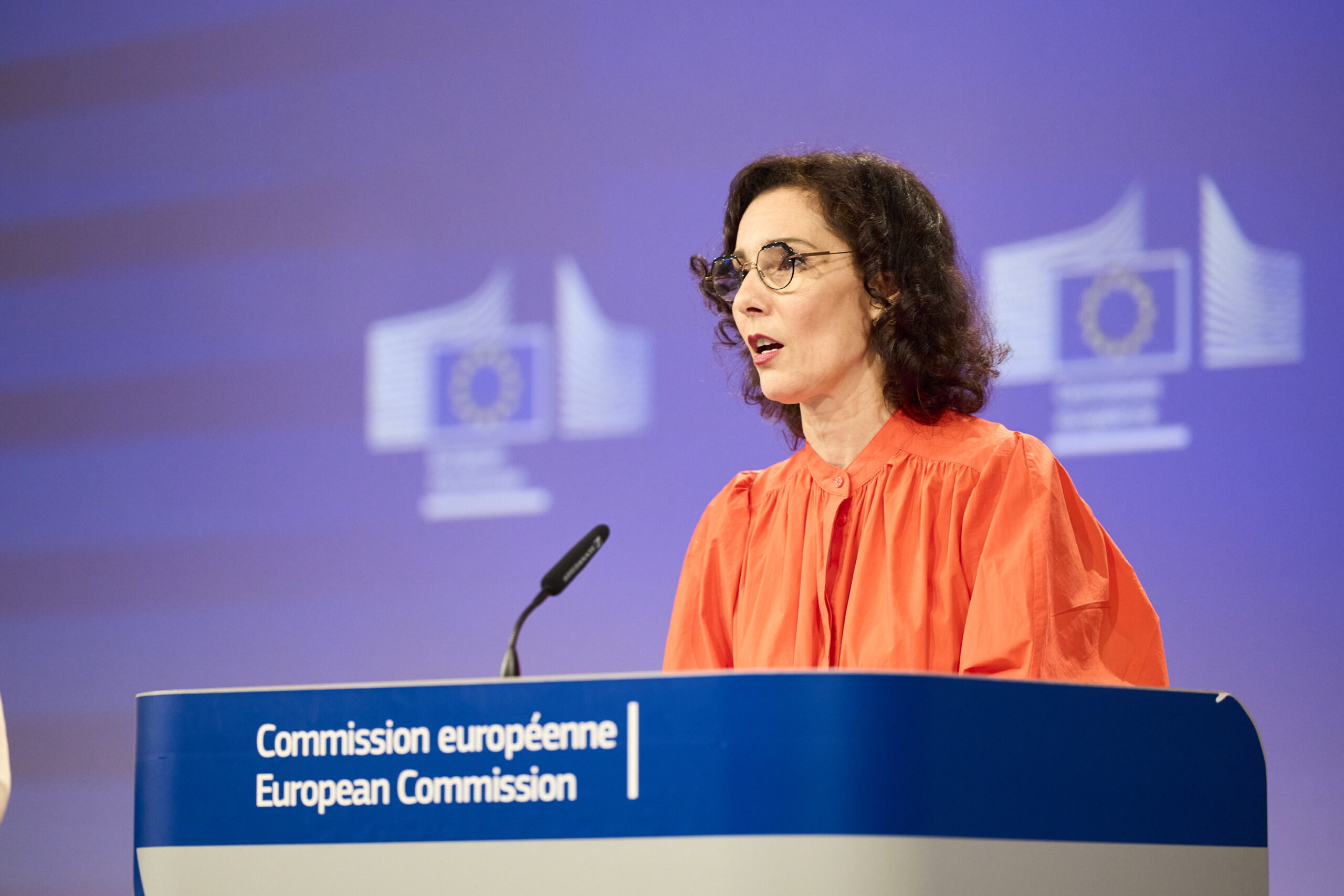
Commissioner Lahbib explained the importance of dialogue with the de facto Afghan authorities today (27 May) during a press conference at the European Commission, on the sidelines of the weekly meeting of the College of Commissioners. “I do not wish to link migration to humanitarian aid,” she added, referring the question to the European Commissioner for Migration, Magnus Brunner. “When a crisis occurs somewhere, the consequences include population movements, fragile relationships, people fleeing war zones and so on, but we must take a global view. What is happening in Afghanistan, Pakistan, and Iran has an impact on us, and the crisis in the Middle East is a good example of this. I think it is important to keep all channels of communication open,” Lahbib noted.
As a concrete example of humanitarian diplomacy, Lahbib cited her recent visit to the Democratic Republic of the Congo, where she met with representatives of the M23 paramilitary group to secure humanitarian corridors and the reopening of Goma airport. “This was not a recognition of the rebels. It was simply an initiative of humanitarian diplomacy, and therefore completely neutral and in full compliance with the principles of humanitarian action: independence, impartiality, and autonomy,” she explained.
English version by the Translation Service of Withub