Brussels – Despite sanctions on Russia, the EU has been financing the Kremlin through ongoing purchases of rare earths from 2022 to today, which in 2025 alone brought more than 10.7 million euros into Moscow’s coffers. This is evident from data published today (29 June) by Eurostat, which clearly shows that the Russian Federation remains at the heart of the EU’s trade agenda despite the sanctions imposed in response to the war in Ukraine.
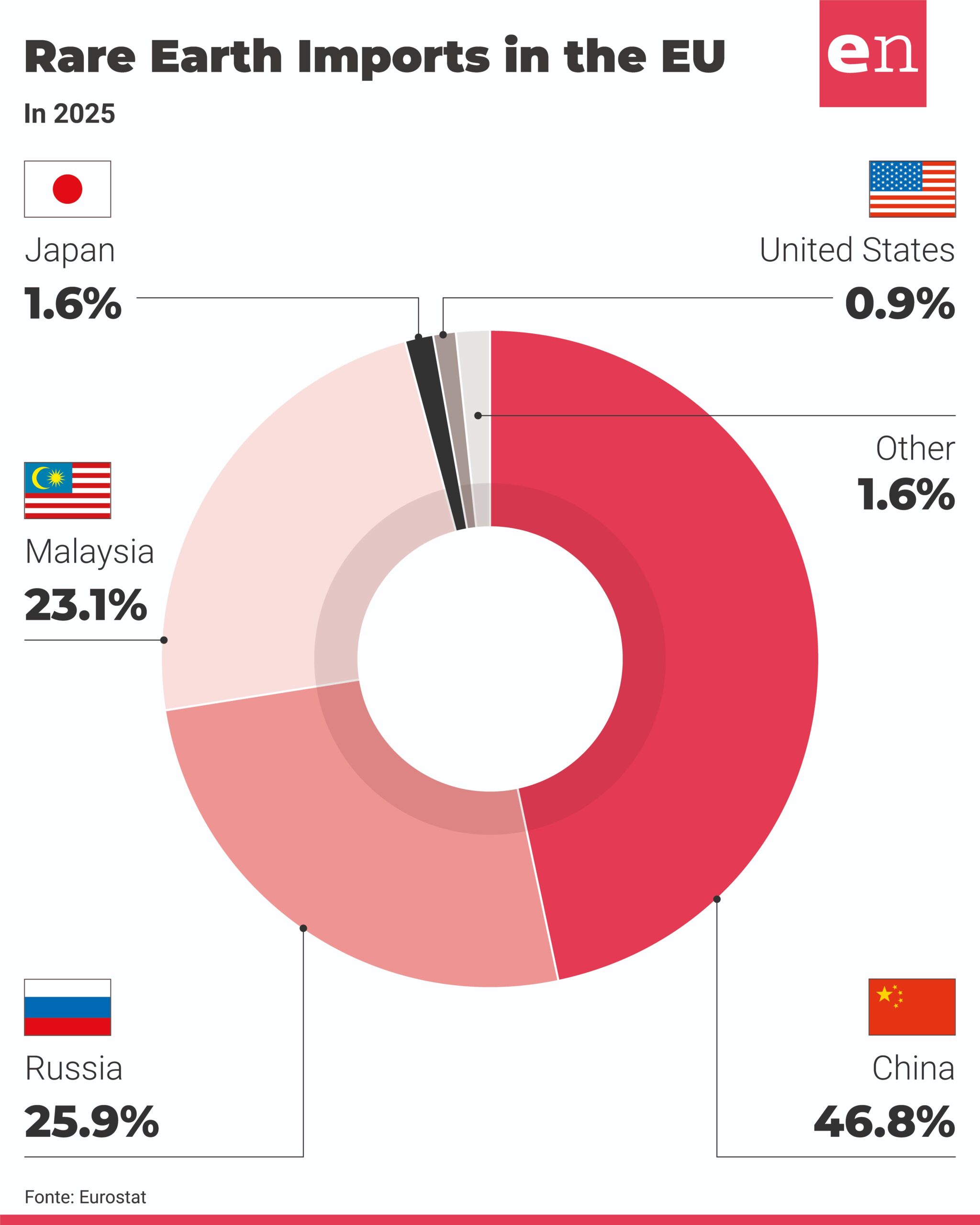
In 2025, imports of rare earths into the European Union rose (+17.1 per cent compared with 2024), reaching 15,100 tonnes. Of this total, 25 per cent came from Russia, with trade flows highlighting the difficulties and contradictions the EU faces in managing relations with Moscow and responding to the conflict in Ukraine: amidst its 20 rounds of sanctions, measures introduced so far to weaken the Russian economy and military machine, a ban has been imposed on coal, gas, and oil, but not on what the EU needs to drive forward the twin green and digital transitions.
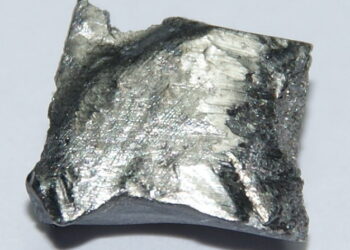
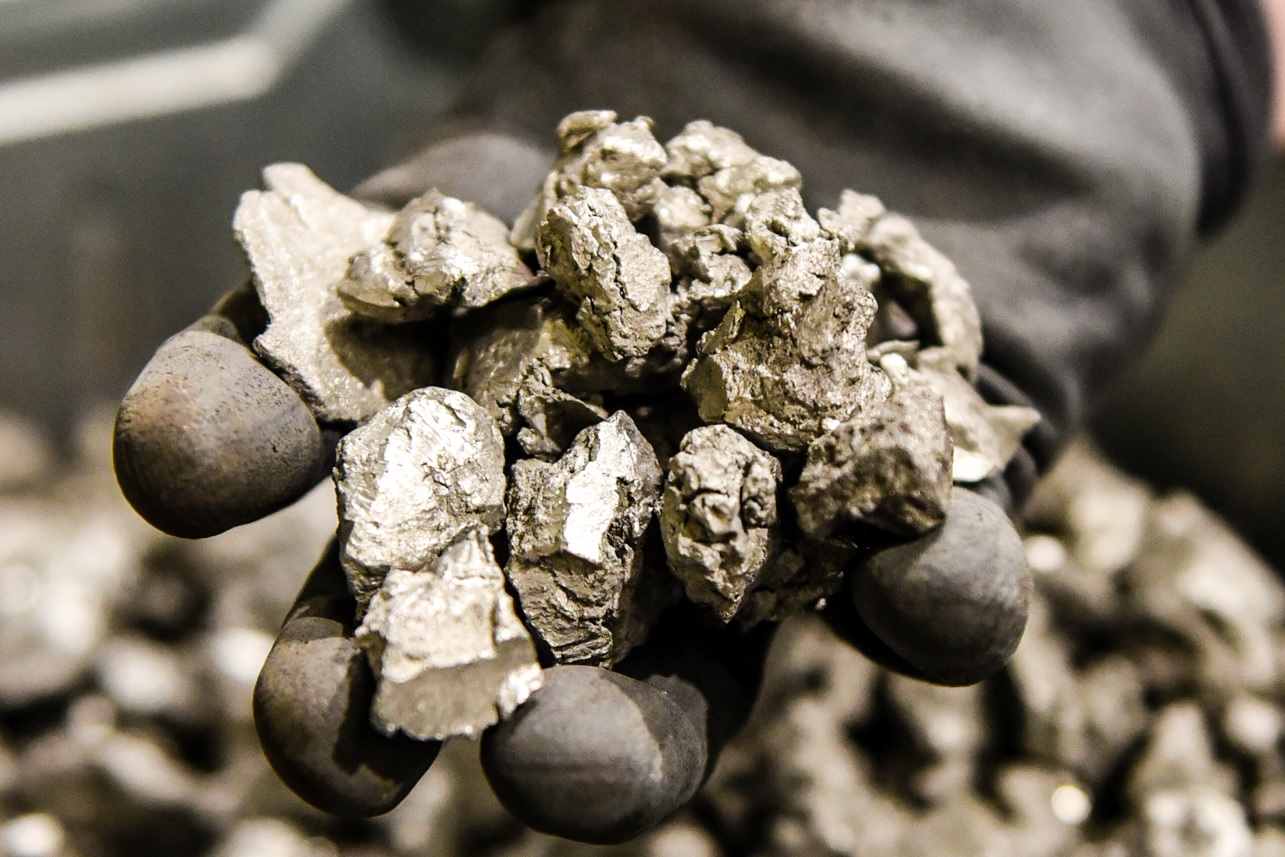
Rare earths are a group of 17 special metals with a high supply‑risk profile and significant economic importance, as they are used in various high‑tech applications — including everyday devices such as mobile phones and computers, as well as advanced medical technologies.
Terre rare, niobio e tantalio: il Green Deal senza Cina non si può fare
It should be noted that, compared with the turnover in 2022 – when the EU purchased rare earths worth 33.2 million euros – European purchases on the Russian market have declined: the value of imports fell to 15.7 million euros in 2023, then to 9.6 million euros in 2024. In 2025, purchases began to rise again, reaching just over 10.7 million, for a total of 70.4 million euros over the four-year period.
The EU therefore continues to trade with Russia. While the value of trade has fallen by two-thirds over the course of a few years, between 2022 and 2025, the volume has decreased far less: in the year the Russia-Ukraine war broke out, the EU imported 4,511 tonnes of rare earths from Russia, while in 2025, it purchased 3,918 tonnes.
According to the figures provided by the European Statistical Office, Russia remains “the second-largest partner” for raw material supplies after China, which alone meets almost half (46.8 per cent) of the demand of the European Union, still trapped by dependencies that are difficult to overcome, with all the political implications that this entails.
English version by the Translation Service of Withub