
Brussels – The European Commission admits it: the IT system for the entry and exit of third-country nationals is causing problems. “There is still a lot of work to be done to resolve the technical issues,” said the Commission President Ursula von der Leyen last Friday.
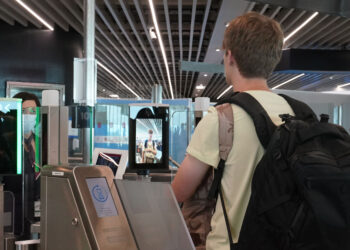
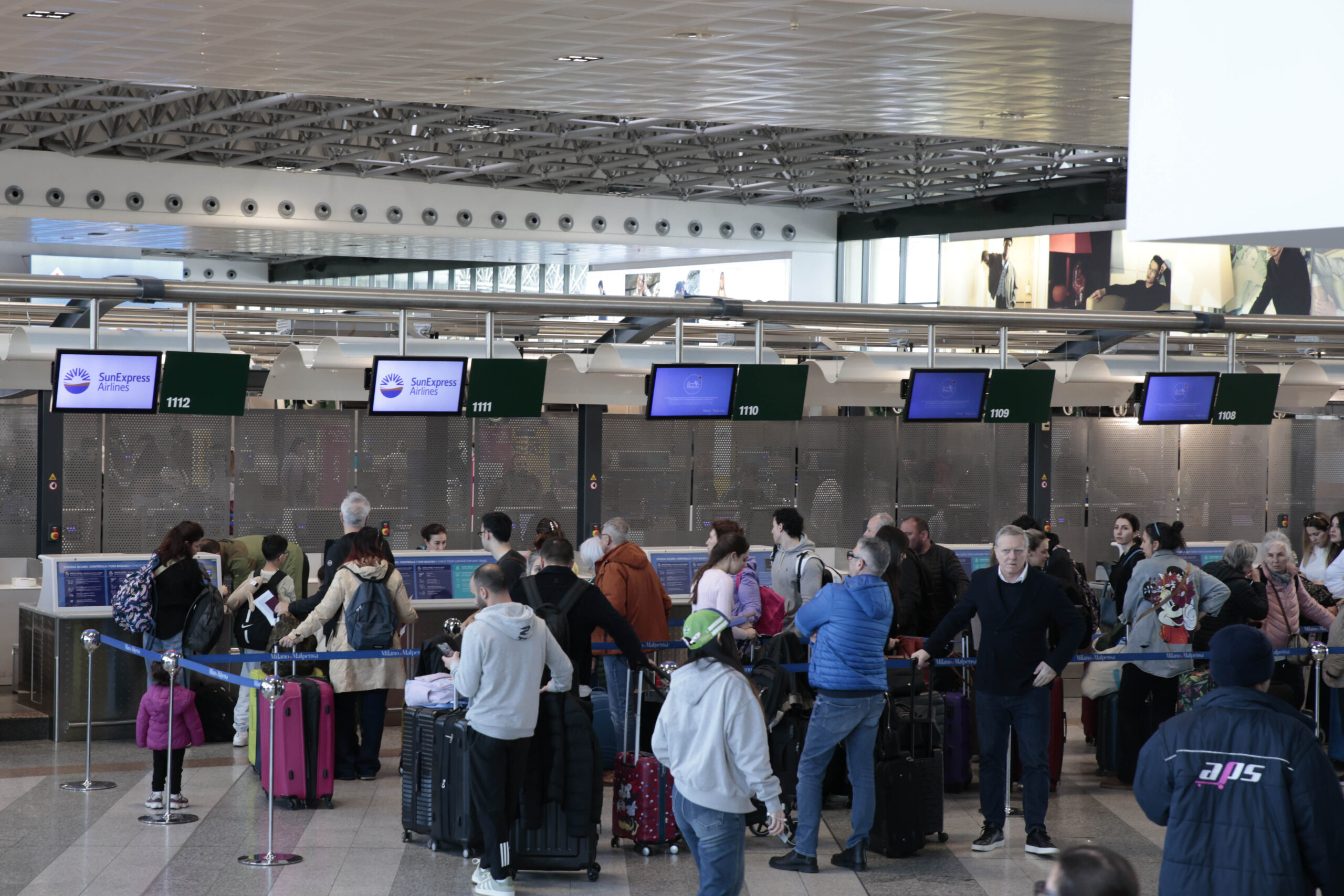
The Entry/Exit System (EES) is an automated IT system designed to register third-country nationals travelling for short periods whenever they cross the external borders of the twenty-nine European countries that use the system. Implemented last year and having come into full effect on 10 April, the EES has come under criticism in recent weeks due to operational problems at many EU border points, particularly at airports. Many complain that the switch from stamping to biometric registration (facial images and fingerprints) has made the procedures take much longer per passenger. This situation is being further exacerbated by the arrival of the summer season and the increased traffic in air travel.
The issue was raised again today (6 July) during the European Commission’s daily press briefing. One of von der Leyen’s spokespeople, Markus Lammert, announced that a meeting with the airport sector will be held tomorrow, which will also be attended by officials from the Commission’s Directorate-General for Migration and Home Affairs. “Commissioner Brunner is stepping up his contacts with ministers from the Member States concerned to understand exactly what kind of support is needed,” he said, emphasising that in the space of a couple of months, the system had “prevented 1,000 people” identified as “potentially dangerous” from entering the EU.
When asked how the Commission intends to resolve the difficulties encountered by European citizens while travelling, the spokesperson replied that “in fact, the system’s impact is actually limited,” as it has only been applied to “1,500 border crossing points,” compared with “almost 110 million entries and exits recorded in the 29 countries where it operates.” Furthermore, as this is “an aspect that must be verified and recorded on first entry,” according to Lammert, “once the data is in the system,” subsequent entries will be processed much more quickly. The system also features “inherent flexibility designed specifically for next summer,” he added. This means that “in situations of exceptionally high pressure at a particular border crossing, it is possible to temporarily suspend the recording of biometric data.” To address the difficulties encountered at some airports—“which do not concern the entry and exit system as such”, but rather their “structural issues”—the Commission representative raised the possibility of deploying Frontex, the European Border and Coast Guard Agency, but only at the request of Member States and for the purpose of border surveillance.
Before the system was launched in October last year, “the Member States informed us that they were ready to implement it,” the spokesperson reiterated; the Commission therefore proceeded “with a phased roll-out.” It is now up to the Member States “to implement this new system correctly everywhere, and the Commission will continue to provide assistance,” he concluded.
English version by the Translation Service of Withub