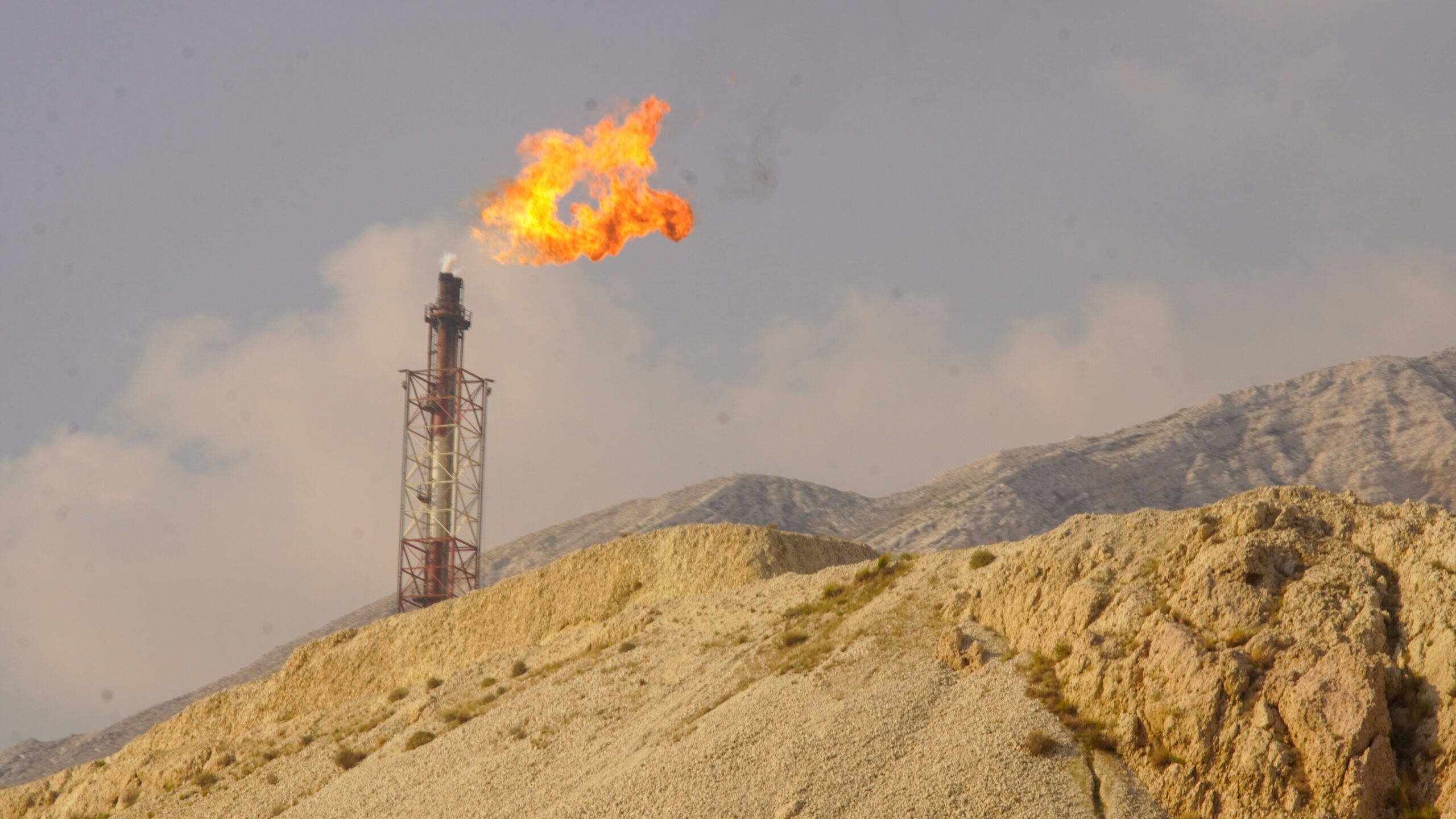

Brussels – Reducing methane emissions in a pragmatic, streamlined, and cost-effective manner to protect both the environment and energy security. This is the aim of the two recommendations on methane emissions presented today (20 July) by the European Commission. According to the European Commissioner for Energy, Dan Jørgensen, these “will help Member States and industry” to deliver “concrete results” in the implementation of the European regulation on methane.
Against a backdrop of “global uncertainty and tension in the energy markets,” the Berlaymont building stresses that “under no circumstances must the security of supply in Europe be compromised.” Consequently, the two recommendations anticipate the potential risks identified by stakeholders and address the difficulties in implementing the regulations.
The first recommendation concerns compliance solutions. It “provides certainty and clarity” to importers and suppliers of oil, gas and coal, as well as to Member States, on how they can demonstrate compliance with the obligations set out in the Regulation. It also includes guidance that importers can use to demonstrate their compliance with national authorities, and sets out criteria that Member States should use when assessing these solutions. While the recommendation “does not require the physical traceability of specific molecules, consignments or loads,” in the case of more complex supply chains, the text clarifies that importers may use solutions such as “track and declare” and “certification” to demonstrate their compliance with the Regulation. According to the Commission, “the use of such solutions will make it easier for industry to demonstrate compliance without undermining the requirements” of EU legislation.
As most EU Member States have not yet established penalty schemes under the Regulation, businesses are unable to assess the “risks associated with the procurement of potentially non-compliant oil and gas.” Consequently, the second recommendation calls on Member States to suspend financial penalties for non-compliance for three years (from 2027 to 2029) in order to avoid disruptions to supplies. However, all obligations remain in force and compliance is still required.
The EU Regulation on methane, adopted in 2024, governs domestic production, transport, and processing, as well as gas imports. At present, the import requirements are being phased in gradually, while the emissions monitoring requirements will come into force on 1 January 2027. According to the EU Commission, “the conflict in the Middle East has forced the European Union to compete for supplies on global oil and gas markets, leading to a significant reduction in supply and a rise in prices.” Consequently, the European Commission stands ready to adopt further measures should security of supply be at risk in the coming months.
English version by the Translation Service of Withub