
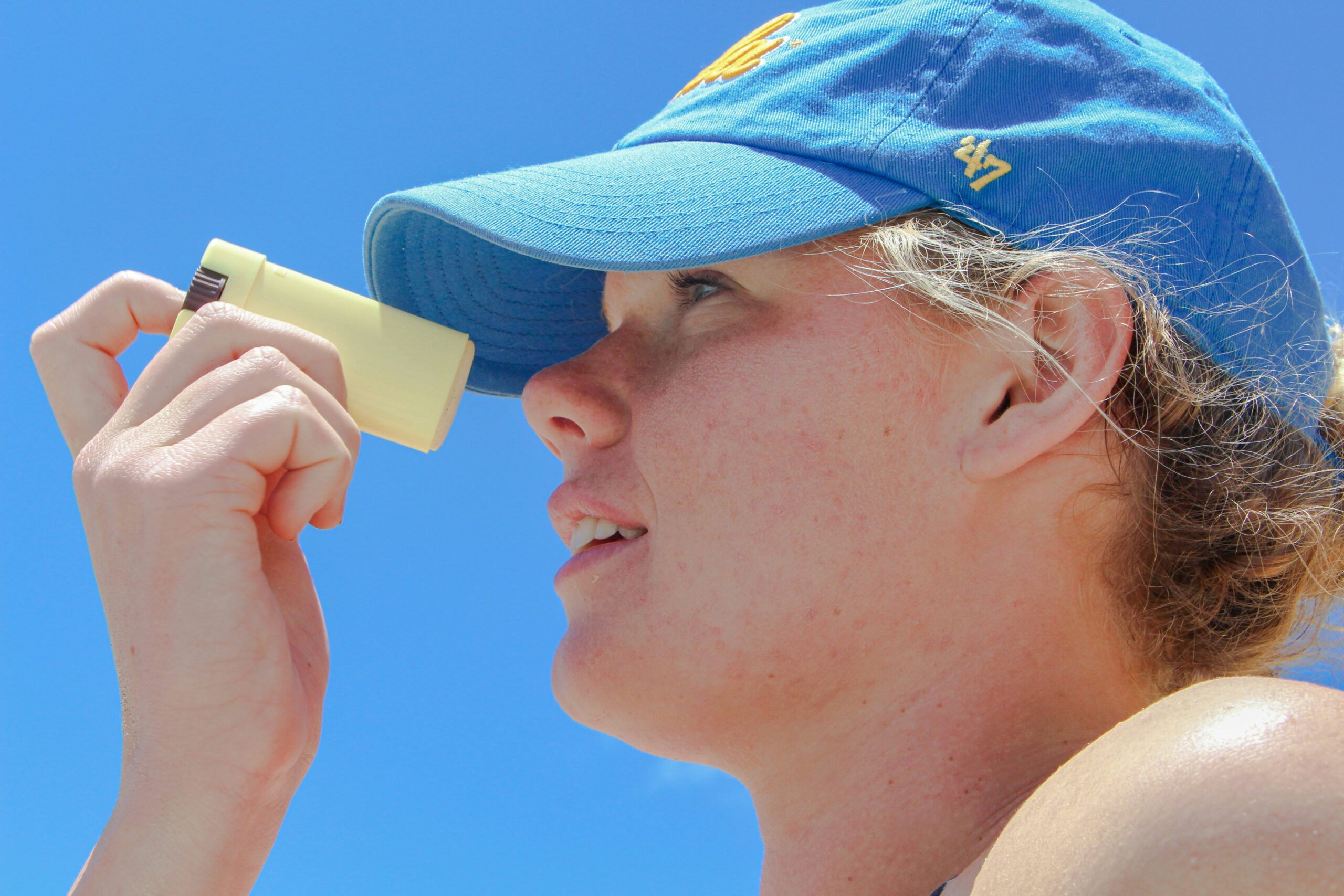

Brussels – Lowering VAT on sun creams in an attempt to encourage their use and protect Europeans’ skin from the rising incidence of skin cancer? It’s not possible, because they are cosmetics, not pharmaceutical products. So says the European Commission.
The issue was raised by the Irish MEP from Renew, Billy Kelleher, who tabled a written question at the Berlaymont Building on 17 June. In his question, Kelleher emphasised that “according to data from the European Cancer Information System, cases and deaths associated with melanoma are on the rise in Europe,” making skin cancer “the fourth most common cancer in the EU.” Against a backdrop of rising temperatures due to global warming, “exposure to UV radiation will also increase,” he noted. However, “a key aspect of
Europe’s Beating Cancer Plan
is prevention”, the MEP emphasised, and this should include “both early medical intervention and screening, as well as enabling citizens to make healthy choices.” Kelleher added that countries such as Australia have already adopted decisive and effective measures to tackle the skin cancer crisis, resulting in a significant “reduction in cases among people under 40.” This brings us to the crux of the matter: does the EU Commission intend to include sun creams in the list of goods and services to which reduced VAT rates may be applied in accordance with Annex II of the VAT Directive (2006/112/CE) or will these goods continue to be classified as cosmetic products and therefore subject to a VAT rate of at least 15 per cent?
The executive’s answer was issued on 16 July. The European Commissioner for Taxation, Wopke Hoekstra, reiterated that the third category of Annex III to the VAT Directive “allows Member States to apply a reduced VAT rate to pharmaceutical products used for medical and veterinary purposes, including products used for contraception and feminine hygiene, and absorbent sanitary products.” Hoekstra pointed out that when the Council of the EU adopted the major reform of VAT rates in 2022, “Member States had already discussed the issue in depth and unanimously agreed to make only minor changes to the wording.” These amendments “do not extend the category to products that should not be considered pharmaceutical,” the Commissioner clarified. Hoekstra also emphasised that reduced VAT rates “generally have a limited impact on prices due to the low pass-through effect,” because “shops are not legally obliged to pass on any VAT savings to their customers by reducing prices.” In 2022, the reform of the rates “was the result of a hard-won political compromise” and “given the political sensitivity of the issue, the Commission does not intend to propose any further changes in this area,” he concluded.
Directive 2006/112/EC, also known as the VAT Directive, harmonises the laws of the Member States and sets out the basic principles of Value Added Tax, ensuring that goods and services are taxed uniformly to prevent distortions of competition within the European internal market.
English version by the Translation Service of Withub