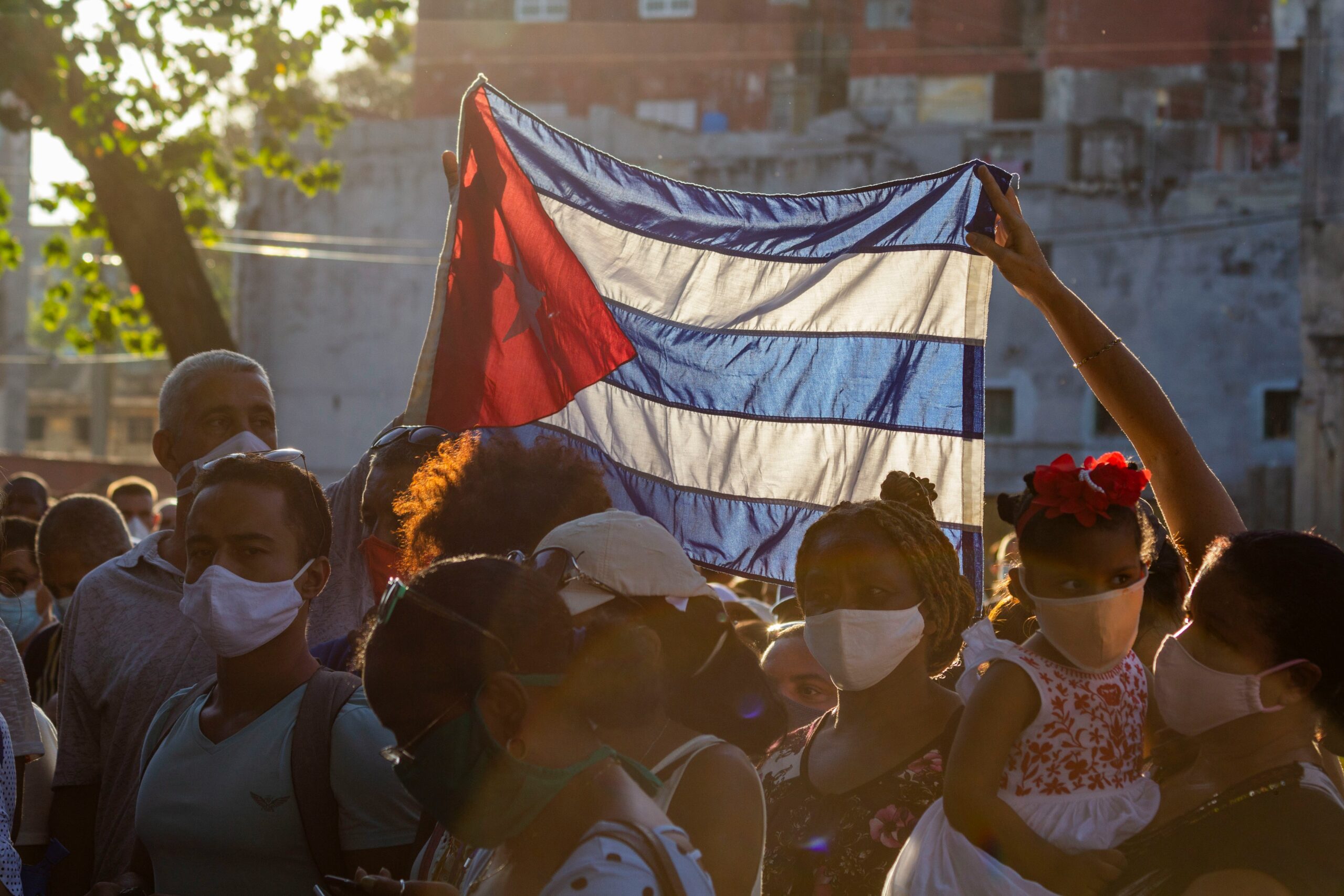

Brussels – The European Commission has offered a meagre response to the humanitarian, health, and economic crisis unfolding in Cuba, allocating €10 million in humanitarian aid to counter the deterioration in the population’s living conditions. The European Commission has announced this in a press release. The funds will be channelled to the “most vulnerable sections of the population,” including the elderly, children, pregnant and breastfeeding women, as well as communities living in the most remote areas of the island, which are among those hardest hit by fuel shortages and the energy crisis. Ten million euros, however, given the embargo imposed by the United States and effective for over sixty years, represent very little indeed compared with the needs of a population that continues to sink into an ever-deepening crisis.
This is not the only European initiative to support the island. This new funding is in addition to the €4 million approved at the start of the year as part of the regional allocation for the Caribbean, largely earmarked for Cuba, and the additional €2 million allocated in April. It also forms part of the aid granted following Hurricane Melissa, which caused extensive damage to the island last year. By 2025, the European Union had already mobilised nearly €6 million for disaster preparedness and emergency response.
The new European funds will be allocated primarily to the healthcare sector, for the purchase of medicines and to support primary healthcare and maternal and child healthcare facilities. The funds will also be used to finance emergency food aid programmes and initiatives to tackle malnutrition among children and mothers, the rehabilitation of water systems and the supply of water treatment materials, as well as logistical support to reach the most remote areas and the development of renewable energy solutions.
Cuba is experiencing one of the worst humanitarian, health, and economic crises in its recent history. The US embargo continues to stifle the country’s economy, while the disruption to supplies from Venezuela and difficulties in importing fuel have further exacerbated an already dire situation. The World Health Organisation (WHO) described the situation as “deeply worrying,” referring to an unprecedented humanitarian emergency on the island. The constant threats from Washington are also making the future even more uncertain: the tightening of sanctions and statements from the US administration are keeping tensions high regarding the direction US policy towards Havana is set to take.
In this context, the European Union, on the one hand, provides a pittance for medicines, food, and essential services to the most vulnerable sections of the population, while on the other hand refrains from criticising Washington’s stance, and the European Parliament adopts resolutions in which it argues that over fifty years of communist rule have led the country to ruin and even calls, in the absence of concrete progress towards a democratic transition, for the suspension of political dialogue and the Political Dialogue and Cooperation Agreement with Havana.
Brussels openly acknowledges the seriousness of the situation. Hadja Lahbib, European Commissioner for Crisis Preparedness and Management, stated that “for Cuban communities, daily life has become increasingly difficult, with energy shortages making it hard to obtain basic necessities and access healthcare and other essential services,” but fails to acknowledge the responsibility of the White House and its occupant, Donald Trump.
English version by the Translation Service of Withub
![[Foto: Unsplash]](https://www.eunews.it/wp-content/uploads/2026/06/koshu-kunii-t86cJxwmBWc-unsplash-350x250.jpg)