Brussels – A stronger European protection mechanism to respond better and more effectively to crises: the Council of the EU has reached an agreement in principle on the next emergency response programme, to be funded through the European Union’s new multiannual financial framework (MFF 2028–2034). Due to ongoing negotiations, no agreement has been reached on the financial allocations. However, the approach towards more effective civil protection suggests that there is no intention to make cuts in this area.
The President of the European Council, Antonio Costa, will present tomorrow (21 November) the new proposal for the seven-year budget, setting out all the figures for each item of expenditure; this will form the basis for negotiations and provide an opportunity to see how much funding will be allocated to the civil protection mechanism. The Council of the EU itself is keen to point out that “the partial negotiating position approved today (20 November) constitutes the Council’s mandate to commence negotiations with the European Parliament on the Union’s civil protection mechanism and the Union’s support for preparedness and response to health emergencies.” Furthermore, “the financial allocations for 2028–2034 will depend on the final agreement on the next multiannual financial framework.”
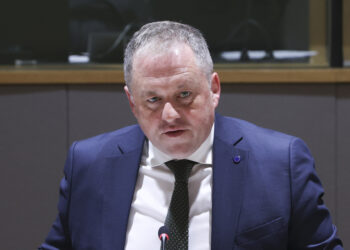
James Browne, Minister for Housing in Ireland – the country whose government currently holds the rotating presidency of the Council of the EU – nevertheless strikes a triumphant note: “Ireland welcomes the progress made in establishing a negotiating position on the Union’s civil protection mechanism and the Union’s support for preparedness and response to health emergencies, and recognises its importance in terms of ensuring support and funding.” Everything will now depend on what Costa puts on the table, and on how it is received by the capitals.
As regards the aspects that are less financial and more operational in nature, the agreement reached between the representatives of the 27 Member States provides that the Union’s civil protection mechanism will be developed to include more structured coordination between civil and military actors, with the aim of better supporting disaster preparedness and response.
Furthermore, the Council of the EU wants better support for countries facing cross-sectoral crises, namely disasters of an “exceptional” scale that have an “impact on several sectors simultaneously, with long-lasting consequences for the Union.” To this end, a new analysis and support unit will be responsible for monitoring and analysing emerging or ongoing cross-sectoral crises to support the management of the consequences of such crises.
English version by the Translation Service of Withub