Brussels – Anticipate emergencies and support those who need to recover from crises such as floods and fires. Today (12 November), the Members of the European Parliament adopted their position on the Union Civil Protection Mechanism (UPCM) for the period 2028–2034. Adopted with 424 votes in favour, 105 against, and 83 abstentions, the text calls for the funds allocated to the instrument in the next Multiannual Financial Framework (MFF) – the EU’s long-term budget – to be increased to €12.42 billion at current prices, compared with the €10.68 billion provided for in the Commission’s proposal. In particular, it has been proposed to allocate the resources by earmarking 40 per cent of the funds for civil protection, a further 40 per cent for health emergencies and the remaining 20 per cent for flexible funding.
The UPCM is the EU’s main instrument for assisting countries affected by disasters such as forest fires, floods or earthquakes. It operates using resources made available on a voluntary basis or procured jointly by the Member States. MEPs intend to strengthen its “monitoring and forecasting activities, so that EU institutions and local actors can prepare for crises rather than merely reacting to them.” For this reason, they have proposed national-level vulnerability mapping and forward-looking climate projections; a specific framework to coordinate civil-military cooperation in crisis response; a more proactive role for local and regional authorities; and the use of EU satellite systems to develop early-warning systems.
The MEP (S&D) and rapporteur for the report, Leire Pajínjín, emphasised the need to “develop a genuine culture of preparedness and to coordinate better the various actors involved.” According to the MEP, it is above all necessary to “explain to citizens what role they have to play and how to behave when a crisis occurs” and to “counter disinformation.” However, to achieve all this, “more resources are needed,” she commented.
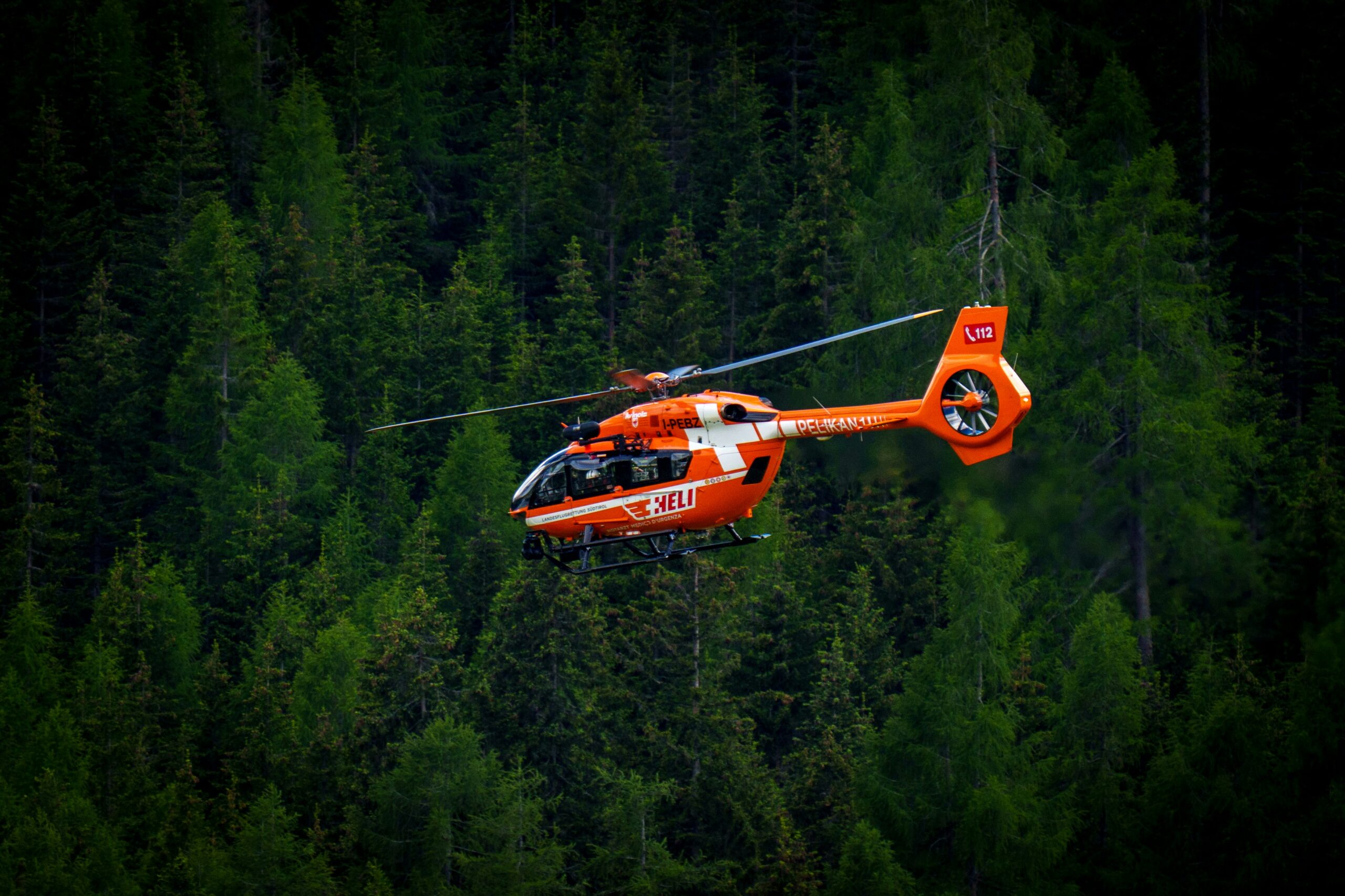
With regard to health emergencies, the European Parliament has confirmed its intention to strengthen the joint emergency response capability – namely rescUE, the Union’s strategic reserve of emergency resources and equipment, created to protect citizens from natural and human-caused disasters when the capacities of individual Member States are insufficient – including through the introduction of a fire-fighting air fleet, which is expected to be operational from 2028. It was also suggested that a new framework be introduced to prepare for the recovery phase, which would clearly define “the responsibilities of the various levels of government” and guarantee Member States “the necessary capacities to coordinate reconstruction efforts.” In emphasising the importance of volunteers providing assistance across the EU, MEPs called for “a specific legal status to be granted to them that guarantees clear insurance cover, the recognition of qualifications, and exemptions from work-related constraints.”
Furthermore, the new programme aims to help EU countries tackle “serious cross-border health threats.” For example, it highlights the establishment of “stocks of medical countermeasures – such as personal protective equipment and active pharmaceutical ingredients – and the development of early warning systems.” The MEP for the Conservatives and Reformists and co-rapporteur for the text, Aurelijus Veryga, pointed out that “the COVID-19 pandemic has shown why preparedness for health emergencies must become a clearly defined component of the EU’s civil protection.”
Finally, MEPs aim to extend EU support to cross-border cooperation “between specialist care centres, their medical teams and health emergency response capabilities (for example, by analysing the availability of intensive care unit beds), as well as to the transfer of patients between Member States when healthcare systems are overwhelmed.” Parliament is now ready to begin negotiations with the Council on the final text of the legislation. “We cannot tackle these challenges without adequate funding. The cost of preparedness may seem high, but the cost of being unprepared is always much higher,” concluded Veryga.