Brussels – Faced with increasingly complex natural disasters and emergencies, European citizens are calling for a Union that is better prepared and capable of responding in a coordinated manner. This is the finding of the latest Special Eurobarometer on EU civil protection, published today (30 October) by the European Commission: nine out of ten Europeans believe it is important for the EU to coordinate the response to disasters, both within the EU and in third countries, while 94 per cent believe that Member States should support one another when an emergency exceeds the response capabilities of a single country.
The call for greater cooperation is even more explicit when looking to the future: 91 per cent of respondents want to strengthen further the EU’s coordinated response to deal more effectively with disasters and crises, and the same proportion believe that Europe should also assist countries outside the EU affected by serious emergencies.
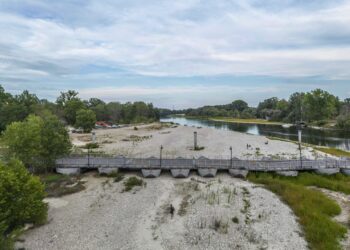
These figures follow a summer that once again put pressure on national civil protection systems. Forest fires affected various parts of the continent, from the Iberian Peninsula to the Balkans, even reaching areas less accustomed to such events. According to data from the Commission’s Joint Research Centre (JRC), as of 7 October 2026, over 692,000 hectares had been burnt in the EU, almost double the average for the last twenty years. During the summer season, the European Civil Protection Mechanism was activated to support various countries affected by the fires, mobilising teams of firefighters, aeroplanes and helicopters from other Member States.
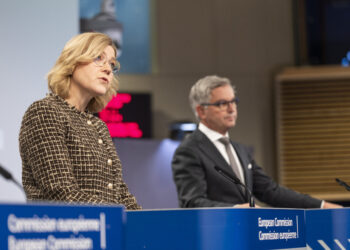
“Citizens are sending us a clear message: they want a stronger, more coordinated European approach to disaster preparedness and response,” said Hadja Lahbib, European Commissioner for Equality, Preparedness and Crisis Management. “Solidarity remains one of Europe’s greatest strengths. When crises strike, citizens expect Europe to act together.”
Emergency preparedness will be the focus of the ninth European Civil Protection Forum, to be held in Brussels on 3 and 4 November, which Lahbib herself will open. This year’s event will bring together over 1,900 participants from around 80 countries, including institutional representatives, emergency responders, experts and international organisations.
The event will also coincide with the 25th anniversary of the European Civil Protection Mechanism, the instrument that enables countries affected by disasters to request assistance from other participating states. Since 2001, it has been activated over 900 times across 160 countries to coordinate rescue operations and emergency aid. “No country should have to face these situations alone,” stressed Lahbib, recalling how the Mechanism has transformed European solidarity into concrete action, from fire brigades to rescue teams.
English version by the Translation Service of Withub