Brussels – There is discontent within the Eurogroup over Italy’s request for further flexibility to tackle the energy crisis. The issue of additional leeway will be on the agenda at today’s (8 October) Eurogroup meeting in Luxembourg, but there will be no conclusions. This is a reassuring development, at least for the so-called “frugal” countries, but it is not enough to allay the ever-present fears of wasteful spending and rising debt. For this reason, some finance ministers – from Germany and the Netherlands, which have always advocated austerity, and Belgium – have taken the opportunity to reiterate their position. Ultimately, the only minister who appears to be more sympathetic to the Italian request is the Spanish one.
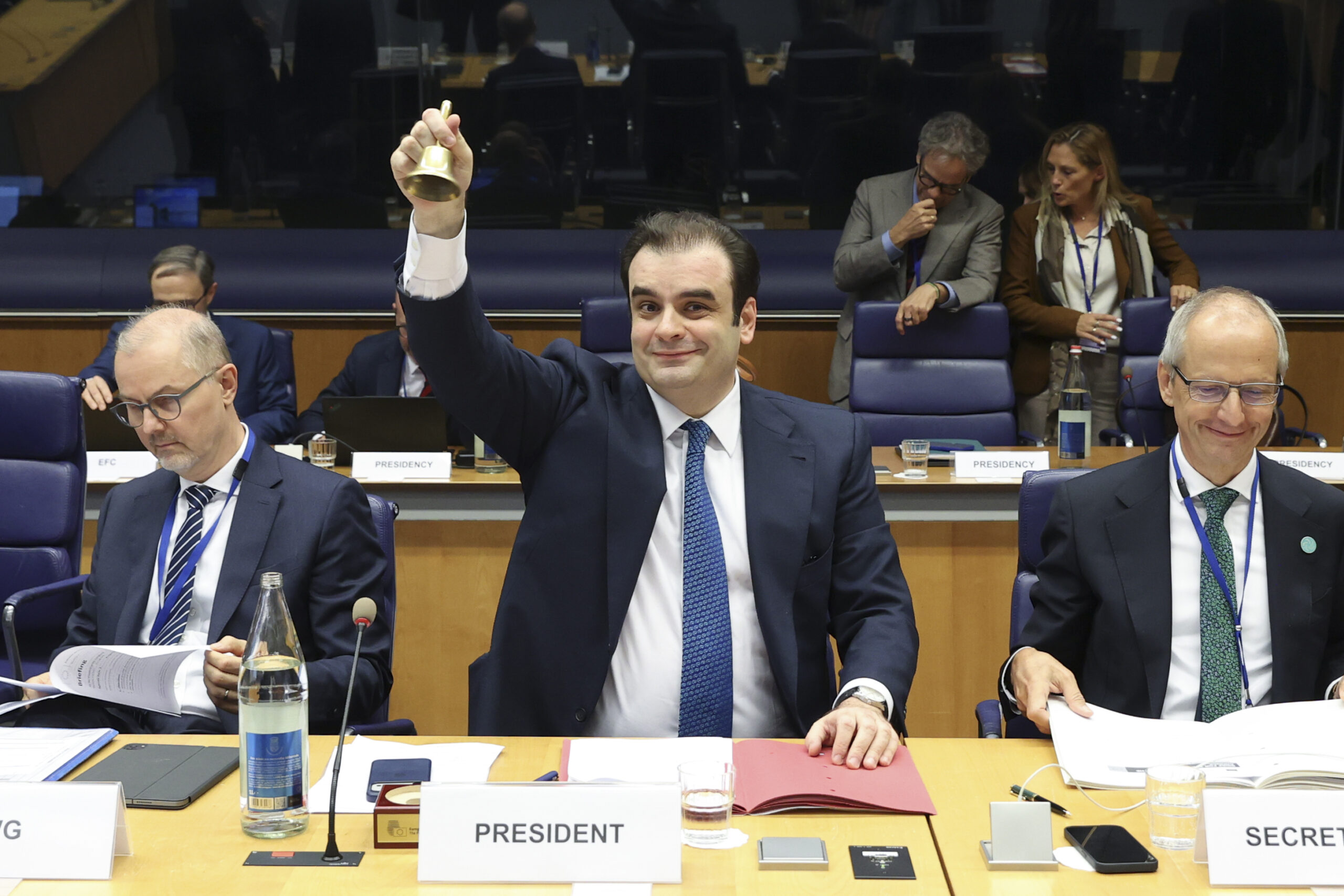
The first to dig his heels in was the Eurogroup President himself, the Greek Kyriakos Pierrakakis, who, on arriving at the meeting, explained that the EU must “protect families and businesses while safeguarding public finances and the credibility of the rules.” Certainly, “we must respond to the immediate challenges. But we must be aware that reforms are needed to unlock growth potential, within the framework of the rules we have.” The Dutch Finance Minister Eelco Heinen was even more forthright. “I’m starting to get rather tired of this discussion. Every time a problem arises, I always hear the same thing: ‘Let’s change the fiscal rules.’ Adding debt to debt only makes the problems worse. We must spend less and implement reforms. Running away from problems is not the solution,” he stated. Heinen said he was “opposed to this type of clause,” pointing out that “there are possibilities within the current rules, but they are temporary.” And he warned: “In the long term, we need to get things back on track. It comes down to the same thing: taking on more debt is not the solution.” For the Dutchman, the key is “keeping public debt low” so “that we are able to tackle difficulties should they arise.” Meanwhile, “countries that have not done enough in this regard must not then come knocking on the Netherlands’ door asking: ‘Can you foot the bill?’ They should have done more in the past,” he said.
A “no” from Germany’s Chancellor Friedrich Merz. “We have just revised the European tax rules,” said the German Finance Minister, Lars Klingbeil. “But I also want to make it very clear that the European Commission must address the issues that concern the citizens of this continent, namely high energy prices,” he added. Belgium is also opposed. “I am not in favour of changing the rules, particularly in response, for example, to current energy prices, especially as we know this is a supply shock,” emphasised the Belgian Finance Minister, Vincent van Peteghem. “I think that, if we were to decide to take action in this regard, any measure would in any case have to be temporary. I do not think it is a good idea to introduce a national escape clause for situations such as this, linked to energy prices. I believe it is important that, if a decision were taken to proceed, it should be a temporary measure,” he noted.
While countries with governments whose political leanings are closer to those of Italy are closing their doors, Spain is showing a willingness to engage. “We will see exactly what the proposal entails, but we are open to considering it,” said the Spanish Minister for the Economy, Carlos Cuerpo. For Madrid, there are two “important” factors to take into account: “The exceptional circumstances we are facing due to the consequences of the war in Iran, which have been affecting the daily lives of our continent’s citizens for over seven months, and the need to ensure that all this remains within a framework that takes into account the sustainability of our public finances,” he concluded.
English version by the Translation Service of Withub

![[foto: Mattia Calaprice/imagoeconomica]](https://www.eunews.it/wp-content/uploads/2026/10/ue-energia-350x250.png)