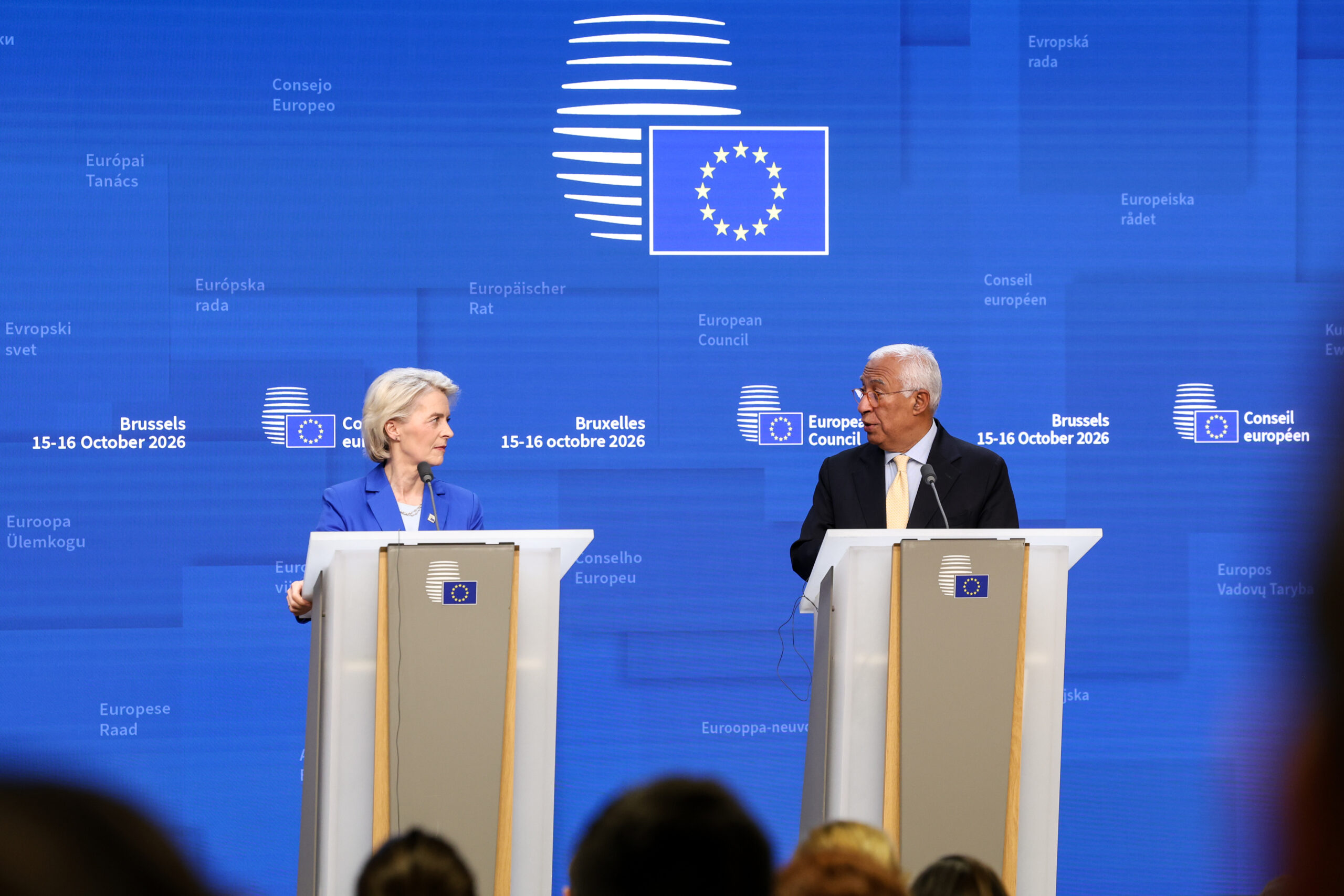
Brussels – Reducing trade dependence on a single supplier, addressing structural imbalances with China and equipping the European Union with new tools to respond to any economic retaliation. This is the approach outlined by the President of the European Commission, Ursula von der Leyen, at the press conference following the European Council meeting on 15 and 16 October, during which trade featured prominently in discussions among the 27 Member States. In December, the EU executive will present the “DiversifyEU” initiative, designed to accelerate the process of trade risk reduction (de-risking) by businesses and promote greater supply chain diversification.
“No more commercial dependence on a single supplier,” said von der Leyen, announcing that Brussels would also be working on “new tools to tackle structural imbalances.” Alongside DiversifyEU, the Commission will propose a solidarity mechanism to set out the actions to be taken should a Member State face economic coercion or trade retaliation. The aim is to strengthen the Union’s capacity to respond to external pressures that could affect individual countries or undermine the functioning of the single market.
The focus is primarily on trade relations with Beijing. Von der Leyen reiterated that China remains an important partner for the European Union, with which Brussels wishes to maintain “fair, balanced, and mutually beneficial” relations. To achieve this objective, however, a “substantial and rapid” rebalancing is required. The Commission President pointed out that in 2025, the European trade deficit with China stood at one billion euros a day, warning that the situation is set to worsen further in 2026. “This is a structural, unsustainable problem,” she argued, adding that “we cannot carry on like this.”
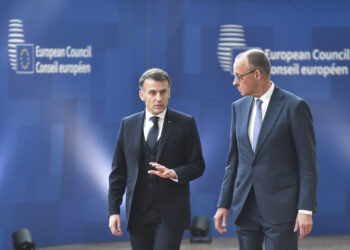
The European response will also involve strengthening trade defence instruments. In this regard, von der Leyen referred to the Franco-German document on the “trade shield” for European industry, which is expected to lead to the development of a new instrument to restrict access to the single market swiftly and immediately, whenever this serves the Union’s interests. The President made it clear that the new instruments will not replace those already available: the EU must continue to make full use of them, depending on the needs and characteristics of different situations.
There will be no shortage of opportunities to discuss these issues. At the press conference, the President of the European Council, António Costa, announced a new informal meeting of leaders on 4 February 2027 at Alden Biesen, in Belgium. “Alden Biesen 2” is how Costa playfully renamed it, as the second informal summit is held at the castle in the Belgian town. This meeting will serve to take stock of the progress made since the previous meetings on defence, competitiveness and trade, and to revive political momentum on both issues. The meeting will offer the EU-27 a further opportunity to address the challenges relating to European security and the Union’s ability to compete in global markets.
English version by the Translation Service of Withub