Brussels – Italian agri-food specialities have secured yet another accolade. Today (22 October) the European Commission has approved approved the registration of the
Protected Designation of Origin
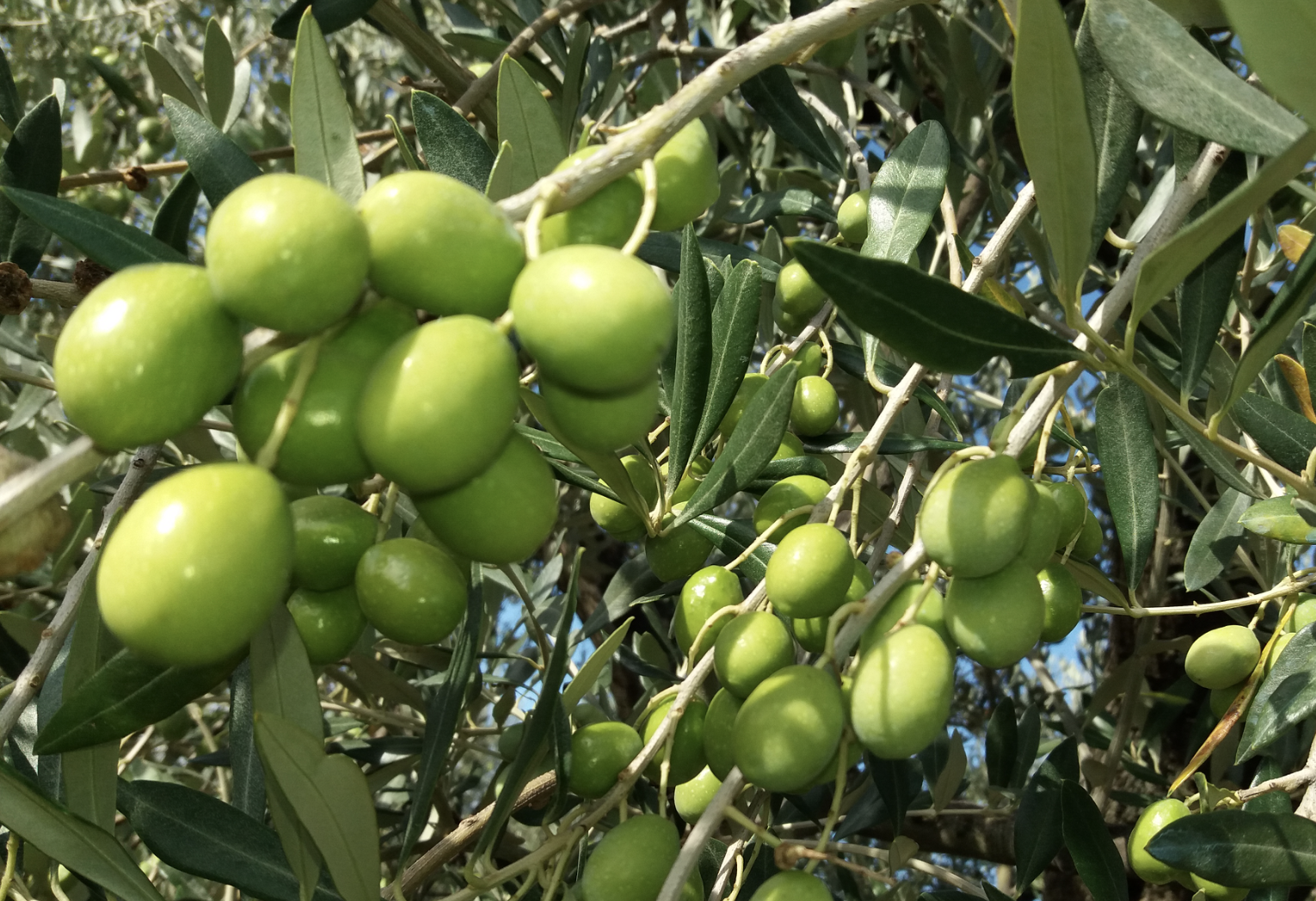
(PDO) for the olive Alta Daunia (Apulia). These are whole table olives originating from the north of the province of Foggia, whose distinctive characteristics are due to the climatic and environmental factors present in the region. In a press release, the Italian Ministry of Agriculture, Food Sovereignty and Forestry stated that it is “the temperate, semi-arid climate, characterised by hot, dry summers and generally mild winters,” combined “with deep, predominantly loamy-sandy soils,” that create “conditions particularly favourable to the cultivation of this variety and the gradual ripening of the fruit.”
Known for their herbaceous flavour, Apulian olives are slightly bitter with hints of toasted bread. The Italian Ministry also describes their “iridescent” colour as “distinctive,” a characteristic linked to the natural process of the olives’ ripening and processing. More specifically, the Peranzana variety is historically linked to the social fabric of the area, as its cultivation has played a role in the region’s development and economy. In fact, it is not found outside this area. This heritage is “complemented by the knowledge of olive growers, passed down through generations,” explained the Ministry: “This is exemplified by the ‘San Severo vase’ training method, closely linked to the production area, together with harvesting methods and traditional processing practices”. According to the Ministry, “it is precisely the interaction between the environment, the genotype and the human factor that gives rise to the distinctive characteristics now protected by the PDO.”
The Italian Minister for Agriculture, Food Sovereignty and Forestry, Francesco Lollobrigida, welcomed the recognition, stating that the new registration “safeguards a centuries-old tradition and highlights the work of our olive growers.” Furthermore, “Geographical Indications are a vital tool for defending Italian excellence and promoting ‘Made in Italy’ products,” he added.
The EU quality policy protects the names of certain specific products in order to promote their unique characteristics linked to their geographical origin and traditional expertise. Product names may qualify for a “geographical indication” (GI) if they have a specific link to the place of production and establish intellectual property rights for specific products. These include: the Protected Designation of Origin (PDO) for foodstuffs and wines; the
Protected Geographical Indication
(PGI) for foodstuffs and wines; and the Geographical Indication for “spirits”, i.e. distilled alcoholic beverages. Today’s designation joins the more than 3,900 protected names listed in the eAmbrosia. database
English version by the Translation Service of Withub