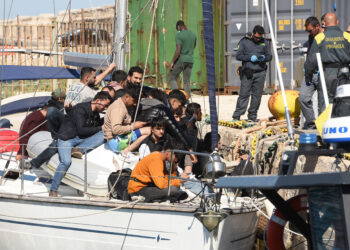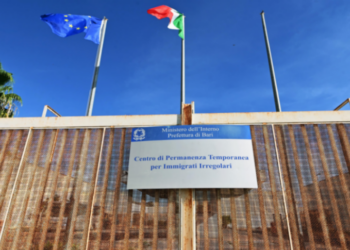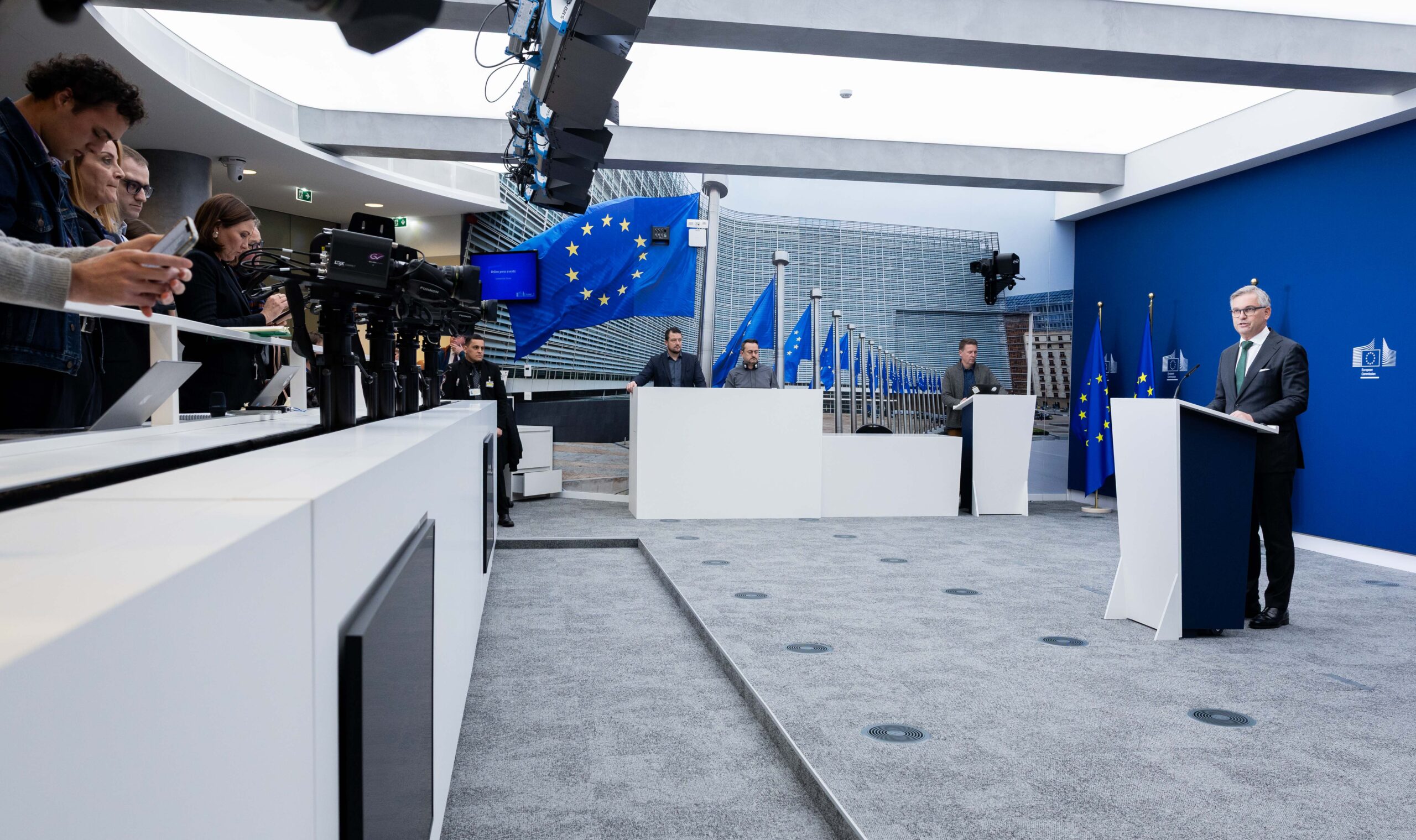
Brussels –Italy, Greece, Cyprus and Spain are the four EU countries facing migration pressure. They will be eligible for the new European Solidarity Fund for 2027, according to the second Annual Migration Management Cycle, which the European Commission launched today (6 November). The report was presented at a press conference in the Berlaymont Building by the European Commissioner for Migration, Magnus Brunner, who acknowledged Rome’s progress in managing migration flows while stressing the need to continue complying with the obligations set out in the EU Pact on Migration and Asylum. Specifically, the Commissioner described Italy as “incredibly important to us” in managing migration flows. The figures bear this out: “Irregular arrivals have fallen by over 55 per cent,” he stated, attributing part of the results to the measures adopted by Rome.
“We are implementing a key component of the Migration and Asylum Pact,” Brunner explained in general terms. The second cycle builds on the results achieved over the last two years: “The EU’s new approach on migration, with a new legal framework, strong border protection and an assertive migration diplomacy, is delivering substantial and consistent positive results.” The mechanism provides for an annual comprehensive assessment of the migration situation and conditions in each Member State, on the basis of which the European Commission identifies countries under migration pressure and proposes a solidarity fund to the Council for the following year.
However, a European source clarified the solidarity mechanism. Should the European Commission conclude in its assessments that there are “systemic shortcomings” in a Member State’s compliance with the rules laid down in the Regulation on the management of asylum and migration, “the consequence under the system is that the other Member States are not obliged to activate or implement the solidarity mechanism” for that country. Italy, the source clarified, “certainly has access to the solidarity mechanism, but given that it is not currently possible to determine with certainty how the procedures will unfold, it is necessary to continue monitoring the situation and take this into account in the process of implementing the mechanism in the coming months”.
According to the second Annual European Report on Asylum and Migration, irregular crossings of the EU’s external borders have fallen by 55 per cent over the last two years, with a further decline of more than a third in the first half of 2026. In 2025, unauthorised movements within the Union also fell (-22 per cent), as did asylum applications (-19 per cent), while the European return rate exceeded 30 per cent.
“The figures clearly demonstrate the results achieved,” Brunner said, citing a few examples: arrivals along the Western Balkans route have fallen by 95 per cent in recent years, while those on the Central Mediterranean and West African routes have fallen by 80 per cent over the past year. At the national level too, he added, Sweden has recorded its lowest ever number of arrivals, and Germany has seen asylum applications fall by 80 per cent compared with two years ago.
The report also offers a snapshot of the implementation of the Pact, with the new system Eurodac now operational in all Member States and the new screening and border procedures already in use. Since the new rules came into force, around a third of registered asylum applications have been processed through accelerated or border procedures. “The Pact is up and running; all Member States are applying the new rules,” said the Commissioner, citing, among the objectives, the strengthening of controls, the speeding up of procedures, and the fight against abuse of the asylum system.
Regarding the distribution of migratory pressure, the Commission identifies four countries under pressure: Greece, Cyprus, Italy and Spain. In the case of Rome, the assessment takes into account the disproportionate number of arrivals resulting from search-and-rescue operations at sea. A further fifteen Member States, including Belgium, Germany, France and the Netherlands, are instead classified as being at risk of migratory pressure and will be eligible to benefit from EU support measures as a matter of priority.
Based on this assessment, Brussels has submitted a proposal to the Council for the 2027 Solidarity Fund. Member States will be able to contribute via the relocation of asylum seekers, compensation for responsibility obligations, financial support or other measures. The Council will decide on the size of the fund and the allocation of contributions; once the decision is adopted, the national commitments will become public and legally binding.
English version by the Translation Service of Withub