Brussels – A mechanism to connect the European energy network and protect its critical infrastructure already exists, but MEPs on the European Parliament’s Energy and Transport Committees are calling for it to be strengthened and given more funding. Today (10 November), the two committees adopted a text proposing to strengthen the Connecting Europe Facility (CEF) – the EU’s main funding instrument for cross-border infrastructure projects of strategic importance – for the period 2028–2034. Adopted with 101 votes in favour, one against and 17 abstentions, the initiative is structured around three key demands.
Firstly, as part of the negotiations on the Multiannual Financial Framework for the period 2028–2034, MEPs have called for a budget of €91.28 billion at current prices, compared with the €81.42 billion at current prices proposed by the European Commission. They also support a clear division between three distinct pillars: transport (€37.96 billion), military mobility (€19.78 billion) and energy (€33.53 billion). In the transport sector, MEPs also call for funding to be provided to support the timely completion of the cross-border sections of the Trans-European Transport Network (TEN-T).
The second point concerns military mobility: MEPs believe that the programme should encourage investment in dual-use infrastructure – that is, infrastructure serving both civilian and military purposes – and, in particular, those identified as priorities in the forthcoming energy regulation. At the same time, “EU funding should contribute to the decarbonisation of the economy, support cross-border electricity interconnections and projects in the field of renewable and low-carbon energy,” MEPs emphasised in the text.
Finally, with a view to fostering synergies, MEPs propose that “projects that contribute simultaneously to several objectives should benefit from a higher co-financing rate,” suggesting that “the fund’s democratic accountability be strengthened by including in the text the criteria on the basis of which a project is granted funding, and by calling on the Commission to adopt multiannual work programmes.”
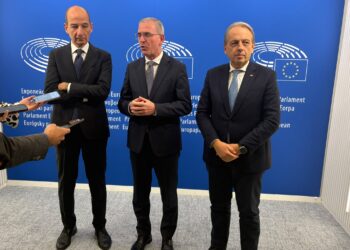
The MEP from the European People’s Party (EPP) and co-rapporteur for the Committee on Industry, Research and Energy, Kamila Gasiuk-Pihowicz, noted that “interconnecting the European energy grid means lower energy prices and a decarbonised economy, but this is not enough.” In this context, “protecting our critical energy infrastructure is our first line of defence. Only a Europe capable of keeping its lights on is a Europe capable of keeping its promises,” she emphasised. “With this report, we are laying the foundation for the development of an interconnected, interoperable, and secure European network, prioritising the trans-European network corridors and the remaining cross-border sections: this is where European added value lies,” added Renew MEP and co-rapporteur for the Committee on Transport and Tourism, Oihane Agirregoitia Martínez.
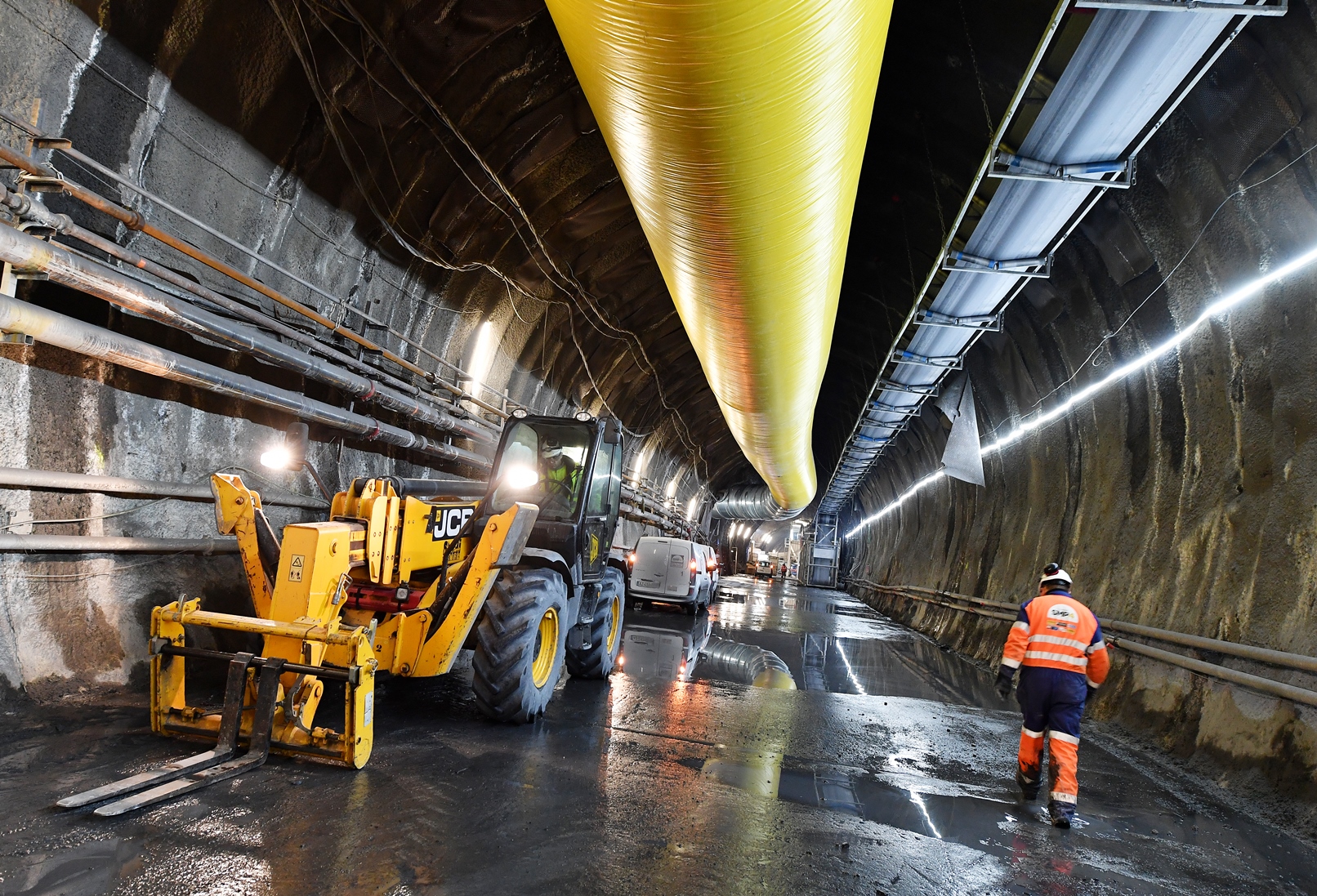
Following the adoption of the proposal, members of the relevant committees also approved, by 85 votes in favour, 24 against and nine abstentions, a mandate for interinstitutional negotiations with the Council. Parliament is expected to give the green light to this mandate in plenary during one of its forthcoming sessions. The Commission presented the new proposal for a regulation on the Connecting Europe Facility on 16 July 2025, and the measure now forms part of the package relating to the EU’s long-term budget – the Multiannual Financial Framework – for the period 2028–2034. Among the key flagship projects benefiting from current funding is the Lyon–Turin high-speed rail line and freight tunnel.
English version by the Translation Service of Withub