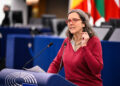
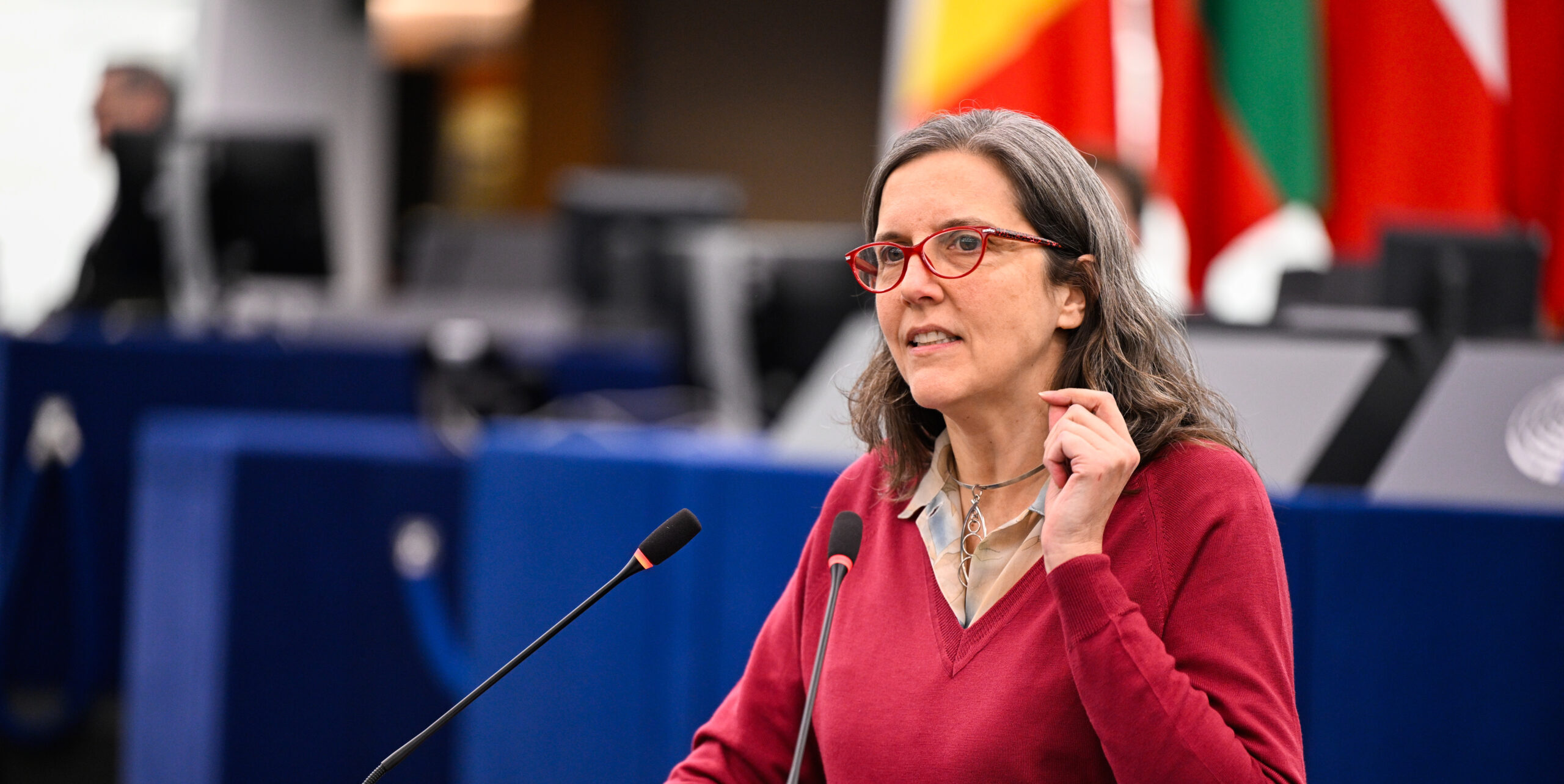
Brussels – “Preparing for extreme weather events while continuing to burn fossil fuels is like treating a wound while you’re still being stabbed.” The PD MEP (S&D Group), Annalisa Corrado, the PD’s climate spokesperson, used this metaphor in her speech during the plenary session in Strasbourg to describe the outcome of the UN Climate Change Conference in Antalya (COP31), which took place from 9 to 20 November in Antalya (Turkey), and to commend the European Union for not signing the Final document of the Conference. “It did the right thing by choosing to be on the right side of history,” commented Corrado.
The COP summit concluded (on Sunday 22 November) without a climate deal, due to divisions among negotiators over fossil fuels. The two-week negotiations – extended by two days – concluded with an outcome that the United Nations Secretary-General, António Guterres, described as a “deeply disappointing” setback. While reaffirming their commitment to multilateral climate action, the delegations warned against “confusing the drama of the negotiations with real impact,” describing the final draft of the agreement as “the lowest common denominator” and arguing that it falls short of what is required. This is also the position adopted by the European Union, which, like other delegations, raised a formal objection to the final decision. Specifically, it was emphasised that a text that “omits any reference to fossil fuels or the transition away from them” cannot be accepted.
According to a statement made on Monday 23 November by the European Commission’s spokesperson for Climate and Energy, Anna-Kaisa Itkonen, during the daily press briefing, “the EU did not support the final draft, because the interests of a few were allowed to obstruct the ambition needed by many.” Itkonen also stated that “the EU’s position” does not “represent a rejection of multilateralism, but it is a defence of multilateralism that delivers.” In Antalya, “We had an extremely experienced, excellent team on the ground to negotiate. And they pushed hard for an outcome. But without a better text on the table. Without any prospect of getting one, the EU had to make the choice to walk away at some point,” she added.
During today’s plenary debate, Corrado referred to the trilateral meeting on 19 November between the President of the Russian Federation, Vladimir Putin, the President of the United States, Donald Trump, and the President of the People’s Republic of China, Xi Jinping, in Shenzhen (China). There, “there were those who wanted to let the law of the strongest prevail over that of diplomacy: the very same logic that allows a handful of the super-rich to possess the equivalent of the resources available to four billion people, fuelling ever-deepening inequalities,” she observed.
For this reason, it is now “important that citizens return to fill the squares: there are still too few of us within the institutions taking action on climate change, and civil society needs to remind us of this.” On 5 December in Rome, “we’ll be in Rome, in Piazza del Popolo, for ‘La Terra chiamò’ (The Earth Called), a major national demonstration supported by over a hundred groups, including associations, social organisations, businesses and research centres,” announced Corrado. “Artists such as Elisa, Alessandro Gassman, Anna Foglietta, Lillo, Maurizio De Giovanni and many others” have already signed up for the event, she concluded.
English version by the Translation Service of Withub